
7 Things I Hate About Backpacking
Discover the top 5 frustrations of backpacking, from crowded hostels to wet socks, and learn how to navigate these challenges for a better travel experience.
Backpacking is a thrilling way to explore the world, offering unparalleled freedom, cultural immersion, and adventure. Carrying your essentials in a single backpack, you embark on a journey that prioritizes experiences over possessions, spontaneity over rigid schedules, and authentic connections with local cultures. Yet, for all its rewards, backpacking comes with its fair share of frustrations. From logistical hassles to physical discomforts, certain aspects can test even the most seasoned traveler’s patience. In this article, we delve into the top five things that can make backpacking challenging, based on personal experiences and common pain points. While these hurdles don’t overshadow the joys of backpacking, understanding them can help you prepare for a smoother journey.
The Essence of Backpacking
Before diving into the frustrations, let’s define what backpacking entails. Backpacking is a form of low-cost, independent travel where adventurers carry their belongings in a backpack, often for extended periods. It’s characterized by simplicity, flexibility, and a focus on cultural immersion. Backpackers prioritize experiences over luxury, opting for budget accommodations like hostels, public transportation, and local street food. This style of travel fosters personal growth, adventure, and a sense of community among like-minded travelers. However, the minimalist and spontaneous nature of backpacking can also lead to unique challenges that test your resilience.
1. Crowded Hostel Bedrooms: The Struggle for Space and Sleep
Hostels are a cornerstone of backpacking, offering affordable accommodations and opportunities to meet fellow travelers. However, crowded hostel dorms can quickly turn into a source of frustration. Imagine a room packed with 10 to 15 backpackers, their gear strewn about, and the air heavy with the scent of unwashed clothes and sweat. In busy urban hostels, walls are often lined with bunk beds stacked high, leaving little room for personal space or privacy. The noise—snoring, late-night chatter, or rustling bags—can make a good night’s sleep elusive.
The lack of privacy is particularly jarring. Sharing a dorm with strangers means dealing with different schedules, habits, and levels of consideration. One traveler’s 3 a.m. return from a night out can disrupt everyone else’s rest. In some cases, overbooked hostels cram extra beds into already tight spaces, exacerbating the discomfort. For example, in metropolitan areas like Bangkok or Barcelona, it’s not uncommon to find dorms with minimal ventilation and a locker room-like atmosphere.
How to Mitigate This Issue
- Research Hostels Carefully: Use platforms like Hostelworld or Booking.com to check reviews for noise levels, cleanliness, and room size. Look for hostels with smaller dorms (4–6 beds) or private rooms if your budget allows.
- Pack Sleep Aids: Earplugs, an eye mask, or noise-canceling headphones can make a big difference.
- Choose Off-Peak Times: Avoid peak seasons when hostels are more likely to be overcrowded.
| Hostel Type | Pros | Cons |
|---|---|---|
| Small Dorms (4–6 beds) | More privacy, quieter | Slightly more expensive |
| Large Dorms (8–16 beds) | Cheaper, social | Noisy, less privacy |
| Private Room | Comfort, privacy | Higher cost, less social |
2. Wet Socks: The Misery of Damp Footwear
Few things are as uncomfortable as hiking in wet socks. Whether due to unexpected rain, a river crossing, or a leaky tent, damp socks can turn a scenic trek into a miserable slog. Wet wool socks, in particular, cling to your feet, causing blisters, chafing, and even fungal infections if not addressed. For backpackers who pack light—often with just one or two pairs of socks—this issue can derail an entire day.
A memorable example comes from a trek in Point Reyes National Seashore, where a sudden downpour soaked through inadequate footwear. The resulting 10-mile hike in soggy socks was a lesson in the importance of preparation. Wet socks aren’t just uncomfortable; they can lead to serious foot problems, especially on multi-day treks where drying options are limited.
How to Mitigate This Issue
- Pack Extra Socks: Always carry at least two pairs of high-quality, quick-drying socks, preferably made of merino wool or synthetic blends.
- Use Waterproof Gear: Invest in waterproof hiking boots or gaiters to protect against rain and puddles.
- Dry Socks Strategically: If socks get wet, wring them out and hang them inside your tent or use a portable drying bag. In a pinch, body heat (tucking socks into your sleeping bag) can help.
| Sock Material | Pros | Cons |
|---|---|---|
| Merino Wool | Warm, odor-resistant, quick-drying | Expensive |
| Synthetic Blends | Affordable, durable, moisture-wicking | Less breathable |
| Cotton | Cheap, comfortable when dry | Slow to dry, retains odor |
3. Unreliable WiFi: The Digital Disconnect
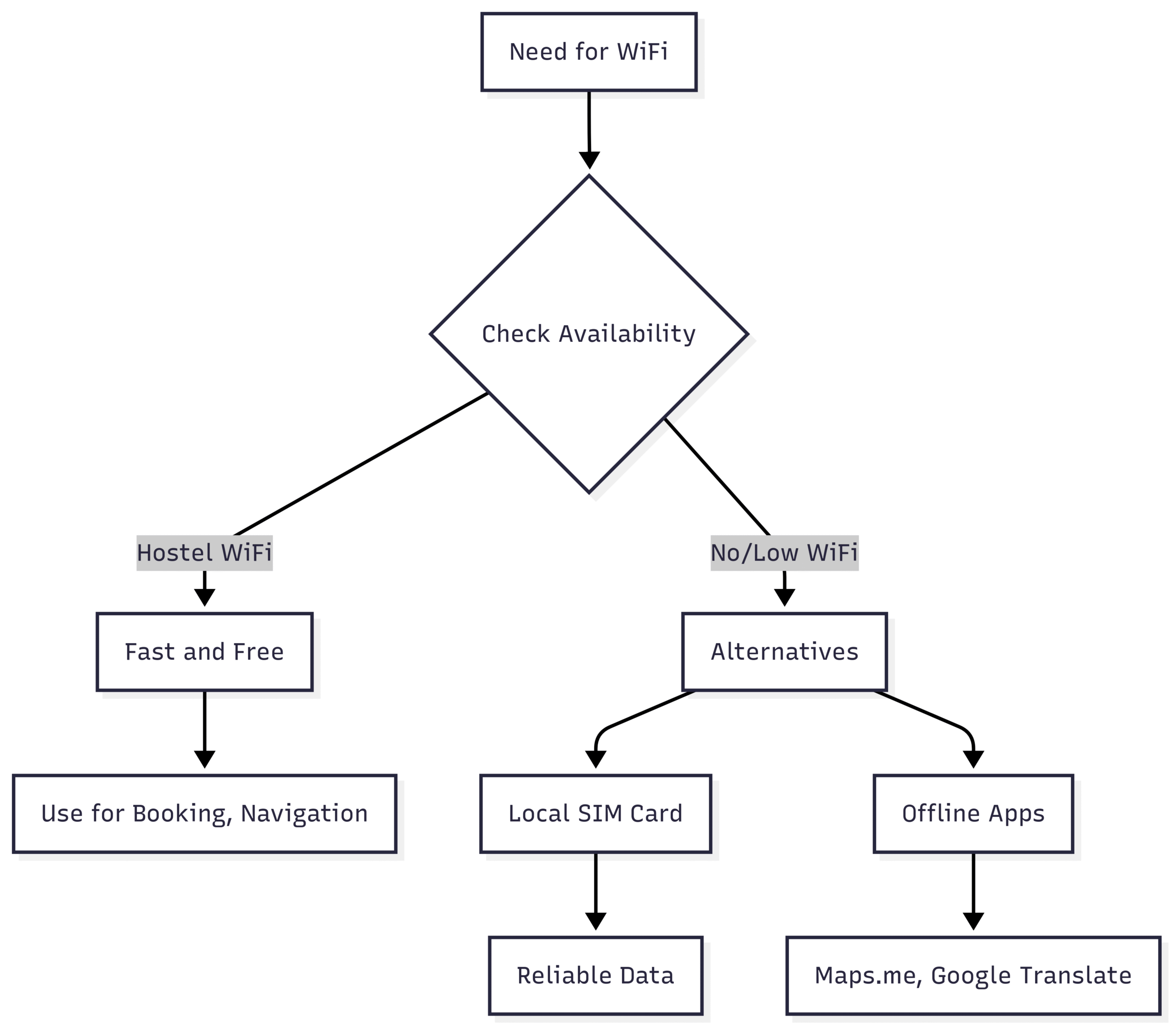
In today’s connected world, reliable WiFi is often essential for backpackers. Whether it’s booking accommodations, navigating with maps, or staying in touch with family, slow or non-existent internet can be a major frustration. In remote areas or budget hostels, WiFi is often spotty, expensive, or both. Trying to load a single photo on social media or hold a Skype call with your bank can feel like an exercise in patience.
For example, attempting to resolve a banking issue over a laggy connection in a rural hostel can waste hours. Slow WiFi isn’t just inconvenient; it can disrupt critical tasks like securing transportation or confirming reservations. In some cases, hostels charge exorbitant fees for premium WiFi, adding to the frustration for budget-conscious travelers.
How to Mitigate This Issue
- Use Offline Tools: Download offline maps (e.g., Maps.me) and travel apps before arriving in areas with poor connectivity.
- Carry a Local SIM Card: Purchase a local SIM with data for reliable internet access, especially in urban areas.
- Check WiFi Reviews: Before booking a hostel, read reviews to ensure decent WiFi quality.
4. Food Poisoning: The Traveler’s Nightmare
Food poisoning is a dreaded risk for backpackers, particularly in regions with different hygiene standards or unfamiliar cuisines. Consuming contaminated food or water can lead to severe illness, derailing travel plans and leaving you bedridden in a foreign country. Stories abound of travelers stuck in remote areas, far from medical care, after eating questionable street food or drinking unfiltered water.
While some backpackers boast iron stomachs, the reality is that foodborne illnesses can strike anyone. A fellow traveler once recounted having to leap off a bus in rural Asia due to sudden illness, only to hitchhike to the nearest town for help. Such incidents highlight the disruption and discomfort food poisoning can cause.
How to Mitigate This Issue
- Choose Food Wisely: Opt for busy food stalls where food is freshly prepared, and avoid raw or undercooked dishes in high-risk areas.
- Carry Water Purification Tools: Use water purification tablets or a portable filter to ensure safe drinking water.
- Pack Medications: Carry over-the-counter remedies like loperamide for emergencies, and know the location of nearby clinics.
| Food Safety Tip | Benefit |
|---|---|
| Eat at Busy Stalls | Higher turnover, fresher food |
| Avoid Raw Foods | Reduces risk of contamination |
| Use Purified Water | Prevents waterborne illnesses |
5. Cultural Misunderstandings: Navigating the Unknown
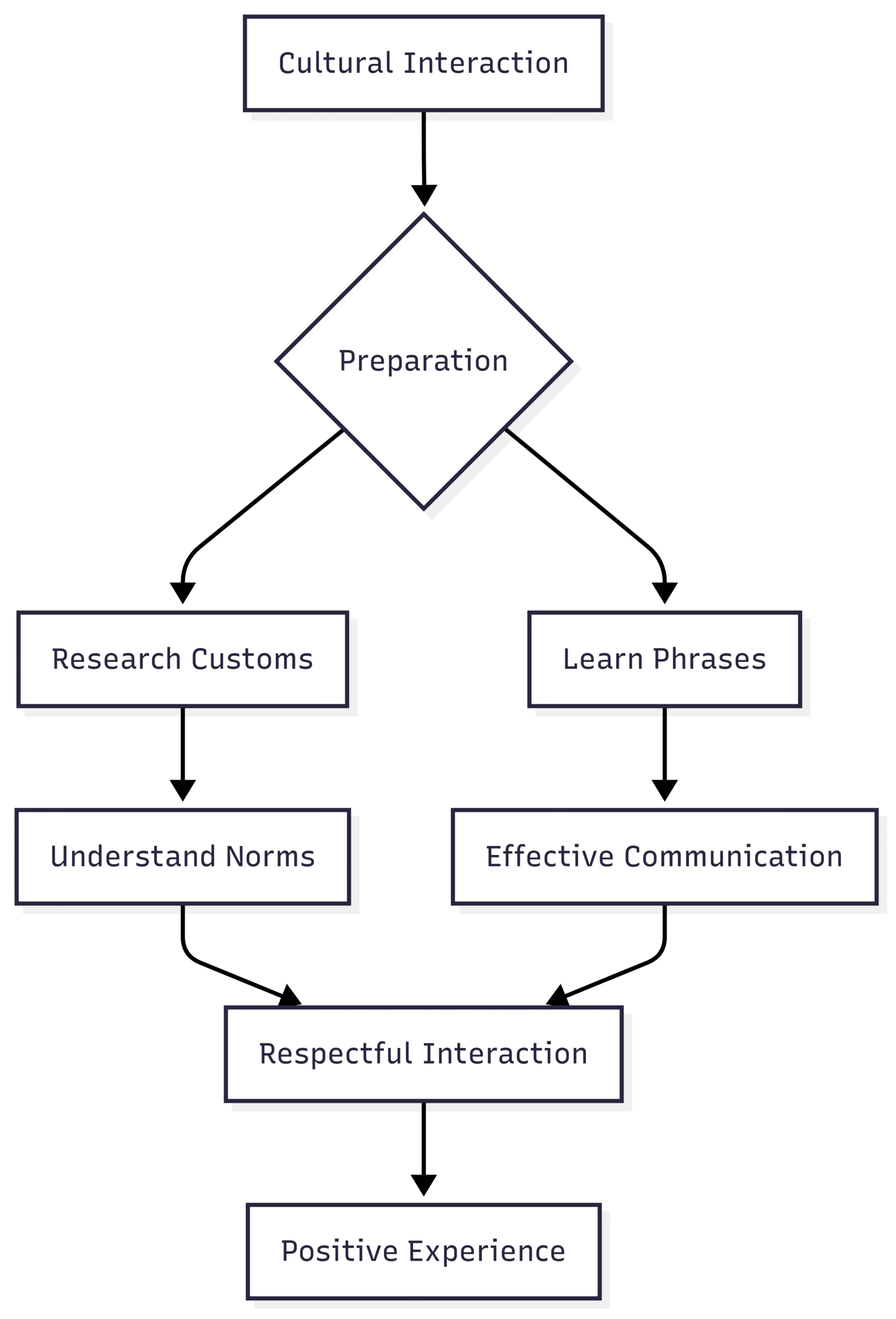
Backpacking often involves immersing yourself in unfamiliar cultures, which is one of its greatest rewards. However, navigating cultural norms and language barriers can lead to misunderstandings that range from awkward to offensive. For instance, a gesture considered friendly in one country might be rude in another, or miscommunication at a market can lead to frustration. Ignorant travelers who fail to research local customs can exacerbate these issues, creating tension with locals or other backpackers.
Language barriers further complicate interactions, from ordering food to asking for directions. While these challenges foster personal growth, they can also be stressful, especially when you’re tired or homesick.
How to Mitigate This Issue
- Research Local Customs: Before traveling, read about cultural norms, greetings, and taboos using resources like Lonely Planet or local blogs.
- Learn Basic Phrases: Memorize key phrases in the local language, such as “hello,” “thank you,” and “where is…?”
- Stay Open-Minded: Approach misunderstandings with patience and a willingness to learn, rather than frustration.
The Bigger Picture: Balancing Frustrations with Rewards
Despite these challenges, backpacking remains a deeply rewarding way to see the world. The freedom to explore at your own pace, the thrill of discovering hidden gems, and the camaraderie of the backpacking community outweigh the occasional discomforts. Each frustration—whether it’s a sleepless night in a noisy hostel or a soggy hike—teaches resilience and adaptability, skills that enrich both travel and life.
To put these challenges in perspective, consider the advantages of backpacking:
- Cost-Effective: Hostels and public transport keep expenses low, allowing longer or more frequent trips.
- Cultural Immersion: Living like a local fosters authentic experiences and deeper connections.
- Personal Growth: Navigating challenges builds confidence, problem-solving skills, and independence.
| Aspect | Advantage | Challenge |
|---|---|---|
| Accommodation | Affordable, social | Crowded, noisy |
| Mobility | Flexible, spontaneous | Unreliable transport |
| Cultural Exposure | Authentic experiences | Misunderstandings |
Practical Tips for a Better Backpacking Experience
To minimize frustrations and maximize enjoyment, consider these actionable tips:
- Pack Smart: Invest in a high-quality backpack (e.g., Osprey Farpoint 40, $160) and lightweight, multi-purpose gear.
- Plan Flexibly: Have a rough itinerary but stay open to spontaneous detours.
- Stay Healthy: Carry a basic first-aid kit, including bandages, pain relievers, and anti-diarrheal medication.
- Connect with Others: Use hostel common areas or travel apps like Meetup to build a support network.
- Budget Wisely: Track expenses with apps like Trail Wallet to avoid overspending.
| Gear Item | Recommended Product | Price (USD) | Purpose |
|---|---|---|---|
| Backpack | Osprey Farpoint 40 | $160 | Durable, comfortable |
| Water Filter | Sawyer Mini | $25 | Safe drinking water |
| Quick-Dry Socks | Darn Tough Merino Wool | $20/pair | Comfort, durability |
Conclusion: Embracing the Journey, Flaws and All
Backpacking is a lifestyle that celebrates adventure, simplicity, and connection. While crowded hostels, wet socks, unreliable WiFi, food poisoning, and cultural misunderstandings can test your patience, they’re part of the journey’s charm. These challenges teach you to adapt, problem-solve, and appreciate the highs even more. By preparing thoughtfully—researching accommodations, packing strategically, and staying open to learning—you can mitigate these frustrations and focus on the transformative experiences that make backpacking unforgettable. So, grab your backpack, embrace the imperfections, and set off on an adventure that will shape your perspective and create memories for a lifetime.
Please share this 7 Things I Hate About Backpacking with your friends and do a comment below about your feedback.
We will meet you on next article.
Until you can read, 5 Reasons Why Flying United Airlines Bad