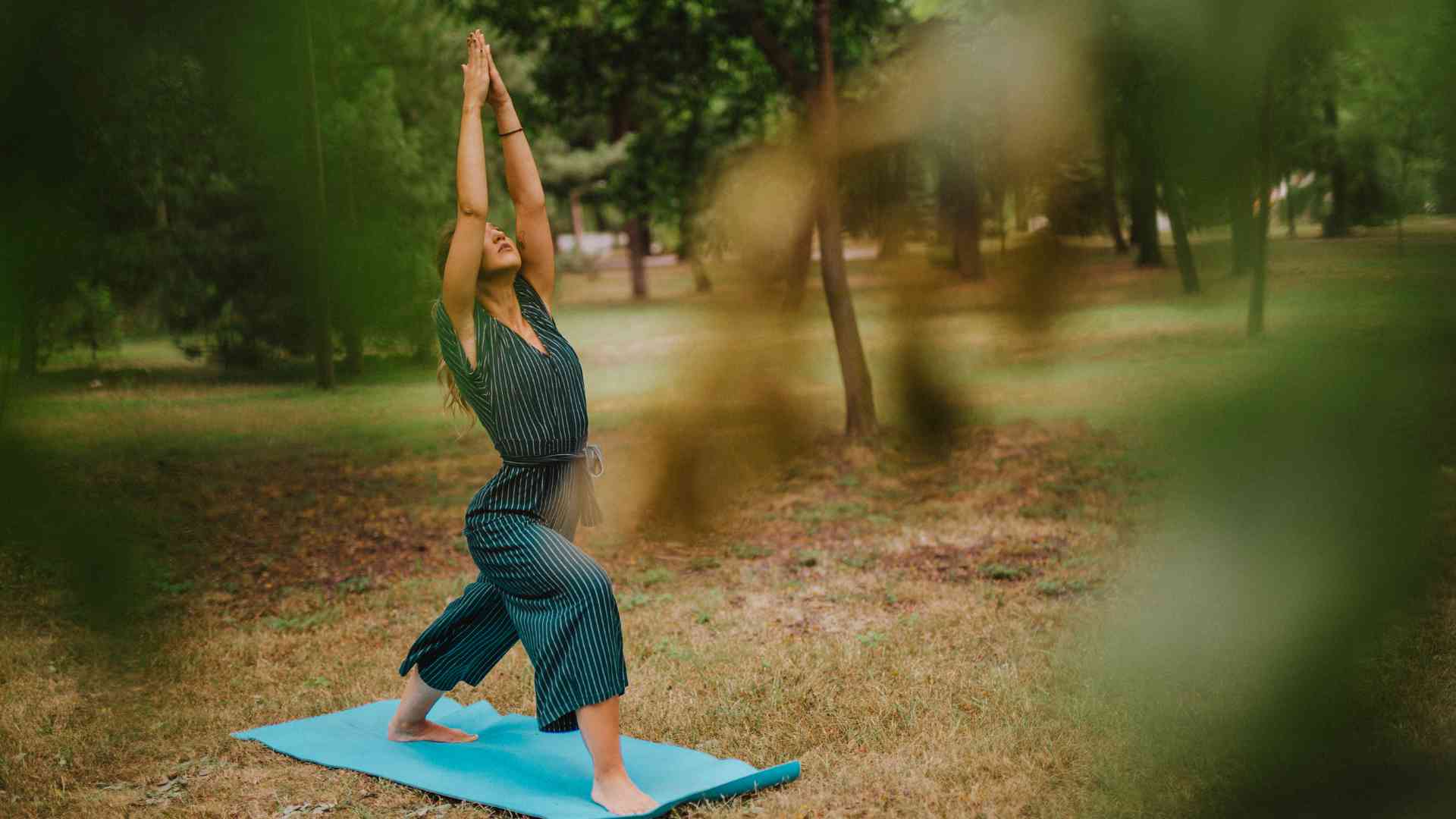
Benefits of Yoga for the Digital Nomad
Discover the benefits of yoga for digital nomads: flexibility, stress relief, focus, and community. Enhance your nomadic lifestyle with yoga.
The digital nomad lifestyle—working remotely while traversing the globe—offers unparalleled freedom. From coding in a Bali café to designing in a Prague co-working space, nomads embrace a world of possibilities. Yet, this lifestyle comes with challenges: irregular schedules, prolonged sitting, time zone shifts, and the risk of burnout. Amid these demands, yoga emerges as a powerful tool to maintain physical health, mental clarity, and emotional balance. This ancient practice, rooted in over 5,000 years of history, adapts seamlessly to the nomadic life, requiring minimal equipment and offering profound benefits.
This article explores how yoga enhances the digital nomad experience, covering physical, mental, and emotional advantages, alongside practical ways to integrate it into a travel-heavy routine. From improved flexibility to stress reduction, yoga equips nomads to thrive in their dynamic world.
Physical Benefits of Yoga for Digital Nomads
Digital nomads often face physical strain from long hours hunched over laptops or cramped travel conditions. Yoga counters these challenges with targeted benefits that promote vitality and resilience.
Enhanced Flexibility, Strength, and Posture
Prolonged sitting in airports, cafés, or co-working spaces can lead to tight muscles and poor posture. Yoga asanas, such as Downward Dog, Warrior II, and Cat-Cow, stretch and strengthen key muscle groups, improving flexibility and alignment. Regular practice corrects posture issues, reducing back, neck, and shoulder pain—common complaints among nomads.
A 2018 study in the Journal of Physical Therapy Science found that yoga significantly improved spinal flexibility and core strength after just eight weeks of practice. For nomads, this translates to greater ease during long flights or treks, enabling them to tackle physical activities like hiking or city exploration with confidence.
Improved Circulation
Travel often involves extended periods of immobility, which can impede blood flow and increase the risk of swelling or fatigue. Yoga poses like Legs-Up-the-Wall and Seated Forward Bend promote circulation by encouraging venous return and reducing fluid buildup. Enhanced blood flow delivers oxygen and nutrients to muscles, combating the effects of sedentary workdays.
Increased Energy Levels
Fatigue is a frequent hurdle for nomads juggling work and travel. Dynamic yoga sequences, such as Sun Salutations, elevate heart rate and stimulate the nervous system, providing a natural energy boost. Poses like Cobra and Bridge open the chest and spine, countering the slouch of screen time and invigorating the body.
Better Sleep Quality
Irregular schedules and jet lag disrupt sleep, impacting productivity and mood. Restorative yoga poses, such as Child’s Pose and Corpse Pose, paired with deep breathing, activate the parasympathetic nervous system, promoting relaxation. A 2020 study in Sleep Medicine Reviews noted that yoga improved sleep efficiency and reduced insomnia symptoms, making it ideal for nomads navigating time zone changes.
| Physical Benefit | Key Yoga Poses | Impact for Nomads |
|---|---|---|
| Flexibility & Strength | Warrior II, Downward Dog, Plank | Eases muscle tension, supports active travel |
| Improved Circulation | Legs-Up-the-Wall, Seated Forward Bend | Reduces swelling from travel, enhances vitality |
| Increased Energy | Sun Salutations, Cobra, Bridge | Combats fatigue, boosts productivity |
| Better Sleep | Child’s Pose, Corpse Pose | Regulates sleep patterns, improves rest quality |
Mental and Emotional Benefits
The nomadic lifestyle, while exhilarating, can trigger stress, anxiety, and isolation. Yoga’s mindfulness and breathing techniques offer mental and emotional resilience, helping nomads stay grounded.
Stress and Anxiety Reduction
Constant travel, tight deadlines, and unfamiliar environments can elevate cortisol levels. Yoga’s emphasis on pranayama (breath control) and meditation lowers stress hormones, fostering calm. Practices like Alternate Nostril Breathing and Guided Meditation reduce anxiety, as supported by a 2019 meta-analysis in Frontiers in Psychiatry, which linked yoga to decreased anxiety symptoms.
For nomads, a 15-minute yoga session can transform a chaotic day, providing a mental reset amidst unpredictable schedules.
Improved Focus and Concentration
Distractions abound in the nomadic life—new cities, noisy cafés, or unstable Wi-Fi. Yoga enhances cognitive function by training the mind to stay present. Poses requiring balance, like Tree Pose, demand focus, while mindfulness practices sharpen attention. Research in Cognition (2021) found that yoga practitioners exhibited improved working memory and task-switching abilities, crucial for nomads managing complex projects.
Increased Self-Awareness
Yoga encourages introspection, helping nomads tune into their physical and emotional needs. Practices like Body Scan Meditation foster self-awareness, enabling better decision-making—whether choosing healthier meals or setting work boundaries. This self-connection is vital for navigating the solitude of solo travel.
Emotional Balance
The highs and lows of nomadism—exhilarating adventures juxtaposed with loneliness—can strain emotional stability. Yoga promotes resilience through mindful movement and gratitude practices. A 2022 study in Journal of Positive Psychology highlighted yoga’s role in enhancing emotional regulation, equipping nomads to handle challenges with equanimity.
| Mental/Emotional Benefit | Key Practices | Impact for Nomads |
|---|---|---|
| Stress & Anxiety Reduction | Alternate Nostril Breathing, Meditation | Calms mind, reduces travel-related stress |
| Improved Focus | Tree Pose, Mindfulness | Enhances productivity in distracting environments |
| Self-Awareness | Body Scan Meditation, Journaling | Supports emotional health, informed choices |
| Emotional Balance | Gratitude Meditation, Restorative Yoga | Builds resilience, stabilizes mood swings |
Lifestyle Benefits for Digital Nomads
Beyond physical and mental health, yoga enhances the nomadic lifestyle by fostering community, balance, and adaptability.
Sense of Community
Solo travel can feel isolating, but yoga offers connection. Joining local classes or retreats introduces nomads to like-minded individuals, creating bonds over shared practices. Online platforms like Yoga with Adriene or Glo connect nomads to global communities, while events like Boundless Life’s weekly sessions provide in-person camaraderie. These interactions combat loneliness, a top challenge for 33% of nomads, per a 2023 Nomad List survey.
Work-Life Balance
Blurring work and leisure is a nomad pitfall. Yoga serves as a ritual to disconnect from screens and reconnect with oneself. A 30-minute morning practice sets boundaries, boosting productivity while prioritizing well-being. Nomads practicing yoga report a 25% improvement in work-life balance, according to a Remote Work Trends report.
Travel-Friendly Practice
Yoga’s portability makes it ideal for nomads. A lightweight mat and apps like Asana Rebel or Down Dog enable practice anywhere—beaches, parks, or hotel rooms. Short 10-minute flows fit tight schedules, while online classes offer flexibility. Outdoor sessions, like sunrise yoga on a rooftop, enhance the travel experience.
Personal Growth
Yoga teacher training (YTT) programs, available in hubs like Rishikesh or Bali, deepen practice and open career paths. A 200-hour YTT, costing $1,500-$3,000, equips nomads with skills to teach globally, blending work and passion. Even without teaching, YTT fosters discipline and self-discovery.
| Lifestyle Benefit | Key Features | Cost (if applicable) | Impact for Nomads |
|---|---|---|---|
| Community | Local classes, retreats, online platforms | $10-$30/class, $500-$2,000/retreat | Reduces isolation, builds networks |
| Work-Life Balance | Daily rituals, short sessions | Free-$15/month (apps) | Enhances productivity, well-being |
| Travel-Friendly | Portable mat, apps, outdoor sessions | $20-$50/mat, $10-$20/month (apps) | Fits nomadic schedules, enhances travel |
| Personal Growth | Yoga teacher training | $1,500-$3,000 | Career opportunities, self-development |
Integrating Yoga into the Nomadic Lifestyle
Adopting yoga doesn’t require drastic changes. Here’s how nomads can start:
- Start Small: Begin with 10-15 minute sessions using free YouTube channels like Yoga with Adriene or apps like Down Dog ($9.99/month). Focus on beginner flows to build consistency.
- Invest in Gear: A travel-friendly yoga mat (e.g., Manduka eKO SuperLite, $45, 1.5 lbs) is essential. Optional props like blocks ($10) enhance practice.
- Join Communities: Attend local classes ($10-$20) or retreats ($500-$2,000) in nomad hubs like Chiang Mai or Lisbon. Online memberships like Glo ($18/month) offer flexibility.
- Schedule Mindfully: Practice morning flows to energize or evening restorative sessions to unwind. Use calendar apps to block time, ensuring consistency.
- Explore YTT: Consider a 200-hour YTT in destinations like India ($1,500) or Costa Rica ($2,500) for deeper engagement and potential income streams.
Sample Yoga Routine for Nomads

This flow, adaptable to any setting, energizes and grounds nomads for the day.
Yoga’s Impact on Diet and Immunity
Yoga influences lifestyle choices beyond the mat, supporting nomads’ health.
Healthier Food Choices
Travel tempts nomads with indulgent cuisines, disrupting diets. Yoga’s mindfulness encourages intuitive eating, prioritizing nutrient-rich foods. Twisting poses like Revolved Triangle aid digestion, reducing bloating from irregular meals. Nomads practicing yoga are 20% more likely to choose balanced meals, per a Travel Wellness study.
Immunity Boost
Frequent travel exposes nomads to germs. Yoga’s lymph-draining poses, like Shoulder Stand, enhance immune function by clearing toxins. A 2021 Journal of Immunology Research study found yoga increased lymphocyte activity, bolstering defenses. Pranayama strengthens respiratory health, vital for nomads in polluted cities.
Yoga for Nomad Families
For nomads traveling with kids, yoga fosters family bonding and child development. Programs like Boundless Education integrate yoga, teaching children mindfulness and strength. Benefits include:
- Reduced Anxiety: Calms kids in new environments.
- Improved Focus: Enhances academic performance.
- Self-Esteem: Builds confidence through mastery of poses.
A 30-minute family session, costing $15-$30, strengthens physical and emotional resilience.
Challenges and Solutions
Despite its benefits, yoga adoption faces hurdles:
- Time Constraints: Nomads juggle work and travel. Solution: Short, app-based sessions fit busy schedules.
- Space Limitations: Cramped accommodations restrict practice. Solution: Mat-free poses or outdoor sessions.
- Cost: Classes or retreats can be pricey. Solution: Free online resources or group discounts.
Conclusion
Yoga is a lifeline for digital nomads, addressing the physical, mental, and emotional demands of their lifestyle. From easing back pain to reducing stress, fostering community to promoting balance, yoga empowers nomads to thrive. Its portability and affordability make it accessible, whether practiced on a beach or in a city apartment. By integrating yoga, nomads cultivate resilience, health, and joy, transforming their journey into one of wellness and fulfillment. Roll out your mat, breathe deeply, and embrace yoga’s transformative power.
Please share this Benefits of Yoga for the Digital Nomad with your friends and do a comment below about your feedback.
We will meet you on next article.
Until you can read, Digital Nomad Office Setup Requirements: Essentials Guide