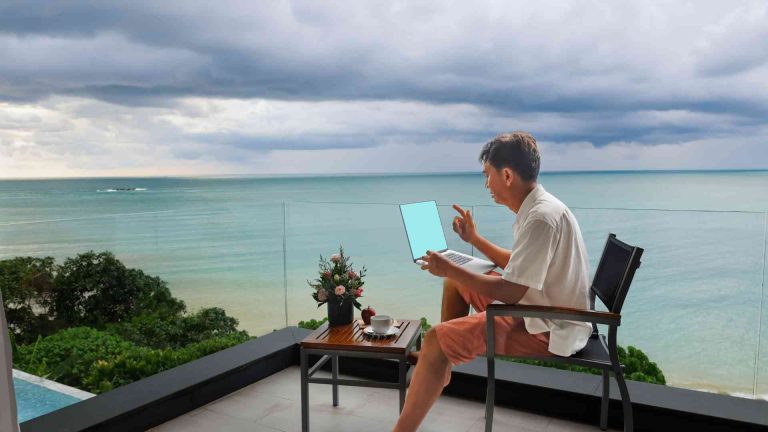
Top Digital Nomad Cities to Live and Work
Discover the top digital nomad cities, blending affordability, fast internet, vibrant communities, and rich lifestyles.
The digital nomad lifestyle has transformed from a niche trend into a global movement, driven by advancements in remote work technology and the rise of co-working spaces. For those seeking freedom, flexibility, and adventure, choosing the right city is critical to balancing work and life. This article explores the top digital nomad cities, focusing on affordability, internet reliability, community vibrancy, and lifestyle appeal. Whether you’re drawn to tropical beaches, historic European streets, or bustling urban hubs, these destinations offer the infrastructure and culture to thrive as a remote worker.
Why Choose a Digital Nomad City?
Digital nomads prioritize cities that align with their professional needs and personal aspirations. Key factors include:
- Cost of Living: Affordable cities stretch budgets, enabling nomads to enjoy life without financial strain.
- Internet Reliability: Fast, stable internet is non-negotiable for remote work, ensuring seamless video calls and file transfers.
- Community and Culture: A strong digital nomad community fosters networking, collaboration, and a sense of belonging.
- Visa Accessibility: Digital nomad visas simplify legal stays, reducing bureaucratic hurdles.
- Safety and Healthcare: Safe environments and access to quality medical care provide peace of mind.
- Lifestyle Appeal: Cities with diverse activities—beaches, cultural landmarks, or nightlife—enhance the nomadic experience.
The rise of digital nomad visas has made relocating easier, with countries like Portugal, Georgia, and Estonia offering streamlined processes. Meanwhile, co-working spaces and nomad hubs provide environments tailored to remote workers, blending productivity with social opportunities.
Top Digital Nomad Cities
Below is a curated list of the best cities for digital nomads, combining established favorites with emerging hotspots. Each city is evaluated based on cost of living, internet speed, community strength, and lifestyle offerings.
1. Lisbon, Portugal: European Charm with Digital Nomad Appeal
Lisbon consistently ranks among the top digital nomad destinations due to its blend of affordability, vibrant culture, and robust infrastructure. The city’s digital nomad visa allows stays of up to one year, renewable for up to five years, with a minimum income requirement of approximately €3,280 per month.
- Cost of Living: A one-bedroom apartment in the city center costs around €900–€1,200 monthly. Meals at local restaurants average €10–€15.
- Internet: Average speeds of 100 Mbps ensure reliable connectivity.
- Community: Lisbon hosts a thriving nomad scene, with co-working spaces like Heden Santa Apolónia and Outsite Lisbon offering modern facilities.
- Lifestyle: From the historic Alfama district to the vibrant LX Factory, Lisbon blends old-world charm with modern creativity. Enjoy pastel de nata at local cafes or stroll along the Tagus River.
- Safety and Healthcare: Lisbon is one of Europe’s safer capitals, with access to public and private healthcare facilities.
Why Lisbon? Its mild climate, affordable living compared to other European capitals, and proximity to beaches like Cascais make it a top choice.
2. Chiang Mai, Thailand: Affordable Haven in Nature
Chiang Mai, nestled in Thailand’s northern mountains, is a digital nomad favorite for its low cost of living and serene environment. The city’s relaxed vibe contrasts with its robust digital infrastructure.
- Cost of Living: A one-bedroom apartment costs $300–$500 monthly. Street food meals are as low as $1–$3.
- Internet: Average speeds of 50–100 Mbps, with co-working spaces like Punspace offering high-speed connections.
- Community: Chiang Mai’s nomad community is one of the largest in Asia, with events like the Chiang Mai Digital Nomad Meetup fostering connections.
- Lifestyle: Temples like Wat Phra That Doi Suthep, night markets, and nearby hiking trails offer endless exploration. The city’s cafes, such as Ristr8to, double as workspaces.
- Visa: The LTR (Long-Term Resident) visa allows stays of up to 10 years for remote workers earning at least $80,000 annually.
Why Chiang Mai? Its affordability, natural beauty, and established nomad ecosystem make it ideal for long-term stays.
3. Medellín, Colombia: Vibrant Transformation
Once known for its turbulent past, Medellín has emerged as a dynamic digital nomad hub, blending urban energy with Latin American warmth.
- Cost of Living: A one-bedroom apartment in trendy neighborhoods like El Poblado costs $400–$700 monthly. Meals average $5–$10.
- Internet: Speeds of 50–80 Mbps support remote work, with co-working spaces like Selina Medellín offering reliable Wi-Fi.
- Community: The growing nomad scene connects through events at venues like Epicentro Coworking.
- Lifestyle: Explore Comuna 13’s street art, ride the Metrocable for stunning views, or enjoy the city’s vibrant nightlife. The “City of Eternal Spring” boasts a mild climate year-round.
- Safety and Healthcare: Medellín is safer than many Latin American cities, with modern hospitals like Clínica Las Américas.
Why Medellín? Its transformation, affordability, and cultural richness attract nomads seeking an urban adventure.
4. Canggu, Bali, Indonesia: Tropical Productivity
Canggu, a coastal village in Bali, combines a laid-back vibe with a thriving digital nomad community. Its beaches and trendy cafes make it a paradise for remote workers.
- Cost of Living: Villas or apartments cost $500–$1,000 monthly. Meals at warungs (local eateries) range from $2–$5.
- Internet: Speeds of 20–50 Mbps, with co-working spaces like Outpost Canggu offering fiber-optic connections.
- Community: Nomad hubs like Dojo Bali host networking events, yoga sessions, and skill-sharing workshops.
- Lifestyle: Surf at Echo Beach, dine at plant-based cafes, or join sunset beach parties. Canggu’s relaxed pace balances work and leisure.
- Visa: The B211A visa allows stays of up to six months, with extensions possible.
Why Canggu? Its tropical charm, strong community, and affordable lifestyle make it a top pick for nomads seeking balance.
5. Budapest, Hungary: Affordable European Gem
Budapest’s unique architecture, vibrant nightlife, and growing digital nomad scene make it a standout in Eastern Europe.
- Cost of Living: A one-bedroom apartment costs €500–€800 monthly. Meals at local restaurants average €7–€12.
- Internet: Speeds of 100–200 Mbps, among Europe’s fastest, with co-working spaces like Kaptár offering reliable connectivity.
- Community: Budapest’s nomad community connects through events at hubs like Loffice.
- Lifestyle: Explore Buda Castle, relax in thermal baths like Széchenyi, or enjoy ruin bars in the Jewish Quarter.
- Visa: Hungary’s White Card for digital nomads allows stays of up to one year, renewable for another year.
Why Budapest? Its affordability, cultural depth, and fast internet make it a hidden gem for European nomads.
Emerging Digital Nomad Hotspots
While the above cities are established favorites, these emerging destinations are gaining traction:
1. Da Nang, Vietnam: Coastal Productivity
Da Nang, known as Vietnam’s “City of Bridges,” combines coastal beauty with growing digital infrastructure.
- Cost of Living: Apartments cost $300–$600 monthly. Meals average $2–$5.
- Internet: Speeds of 20–50 Mbps, with co-working spaces like Danang Coworking Space offering stable connections.
- Community: The nomad scene is growing, with meetups at venues like Enouvo Space.
- Lifestyle: Walk along My Khe Beach, visit the Dragon Bridge, or explore nearby Hoi An.
- Visa: Vietnam’s e-visa allows stays of up to 90 days.
2. Tbilisi, Georgia: Eastern European Affordability
Tbilisi’s blend of history, affordability, and digital nomad visas makes it a rising star.
- Cost of Living: Apartments cost $400–$700 monthly. Meals average $5–$10.
- Internet: Speeds of 50–100 Mbps, with co-working spaces like Impact Hub Tbilisi.
- Community: The nomad community is expanding, with events at Terminal Tbilisi.
- Lifestyle: Stroll through Old Tbilisi, visit Narikala Fortress, or enjoy Georgian cuisine.
- Visa: Visa-free stays for up to one year for citizens of 97 countries, with a 1% tax rate for freelancers.
3. Ljubljana, Slovenia: Underrated European Charm
Ljubljana’s riverside setting and robust internet make it a hidden gem for nomads.
- Cost of Living: Apartments cost €600–€900 monthly. Meals average €8–€12.
- Internet: Speeds of 100–200 Mbps, with co-working spaces like Poligon.
- Community: A small but welcoming nomad community gathers at Kiberpipa.
- Lifestyle: Explore Ljubljana Castle, walk along the Ljubljanica River, or visit Lake Bled.
- Visa: Slovenia’s digital nomad visa is in development, with EU residency options available.
4. Timisoara, Romania: Vibrant and Affordable
Timisoara’s youthful energy and fast internet make it a rising star in Eastern Europe.
- Cost of Living: Apartments cost €400–€700 monthly. Meals average €5–€10.
- Internet: Speeds of 90–150 Mbps, with co-working spaces like Cowork Timisoara.
- Community: The nomad scene is growing, with events at Workify.
- Lifestyle: Visit Union Square, explore Victory Square, or enjoy the city’s vibrant cafe culture.
- Visa: Romania’s digital nomad visa allows stays of up to one year.
5. Suva, Fiji: Exotic Island Living
Suva offers a unique blend of tropical living and digital infrastructure.
- Cost of Living: Apartments cost $500–$900 monthly. Meals average $5–$10.
- Internet: Speeds of 20–50 Mbps, with co-working spaces in Suva and Nadi.
- Community: A small but growing nomad community, with events at creative hubs.
- Lifestyle: Explore Suva’s botanical gardens, visit Colo-i-Suva Forest Park, or enjoy island cuisine.
- Visa: Fiji’s visitor visa allows stays of up to four months, with extensions possible.
Comparison Table: Key Metrics for Digital Nomad Cities
| City | Monthly Cost (USD) | Internet Speed (Mbps) | Digital Nomad Visa | Top Co-working Spaces | Lifestyle Highlights |
|---|---|---|---|---|---|
| Lisbon | $1,200–$1,800 | 100 | Yes | Heden, Outsite | Historic charm, beaches |
| Chiang Mai | $600–$900 | 50–100 | Yes (LTR) | Punspace, Yellow | Temples, nature, night markets |
| Medellín | $700–$1,200 | 50–80 | No | Selina, Epicentro | Street art, vibrant nightlife |
| Canggu | $800–$1,500 | 20–50 | Yes (B211A) | Outpost, Dojo | Beaches, surfing, trendy cafes |
| Budapest | $900–$1,400 | 100–200 | Yes | Kaptár, Loffice | Thermal baths, historic architecture |
| Da Nang | $600–$1,000 | 20–50 | No (e-visa) | Danang Coworking, Enouvo | Beaches, Dragon Bridge |
| Tbilisi | $700–$1,200 | 50–100 | Yes (visa-free) | Impact Hub, Terminal | Old Town, Georgian cuisine |
| Ljubljana | $1,000–$1,500 | 100–200 | In development | Poligon, Kiberpipa | Riverside, castles |
| Timisoara | $700–$1,200 | 90–150 | Yes | Cowork Timisoara, Workify | Vibrant squares, cafe culture |
| Suva | $800–$1,400 | 20–50 | No (visitor visa) | Creative hubs in Suva/Nadi | Botanical gardens, island life |
Chart: Digital Nomad City Decision Flow

This chart helps nomads prioritize cities based on cost, internet, visa availability, and community strength.
How to Choose the Best City for You
Selecting the ideal digital nomad city requires aligning your priorities with a destination’s offerings. Consider these steps:
- Define Your Priorities: Are you prioritizing affordability, internet speed, or cultural experiences? For example, if budget is key, Chiang Mai or Tbilisi may suit you. If you value European culture, Lisbon or Budapest are better fits.
- Research Visa Requirements: Check visa options for your nationality. Countries like Portugal and Georgia offer digital nomad visas, while others like Vietnam rely on tourist or e-visas.
- Evaluate Work Needs: Ensure the city’s internet supports your workload. For heavy video conferencing, Budapest or Ljubljana’s high-speed connections are ideal.
- Explore Lifestyle Fit: Do you prefer urban energy (Mexico City), tropical vibes (Canggu), or historic charm (Tbilisi)? Match the city to your leisure preferences.
- Assess Safety and Healthcare: Research crime rates and healthcare access. Cities like Lisbon and Budapest offer robust safety and medical infrastructure.
Tips for Thriving as a Digital Nomad
To succeed in your chosen city, follow these practical tips:
- Join Nomad Communities: Platforms like Nomad List or local meetups (e.g., Chiang Mai Digital Nomad Meetup) connect you with like-minded professionals.
- Establish a Work Routine: Use co-working spaces like Outpost Canggu or Heden Lisbon to maintain productivity. Trial memberships help find the best fit.
- Embrace Local Culture: Take language classes, attend festivals, or explore landmarks to integrate into the community.
- Secure Accommodation: Platforms like NomadX, Airbnb, or Selina offer nomad-friendly rentals with flexible terms.
- Manage Finances: Use budgeting apps like YNAB to track expenses. Research cost of living via Numbeo to plan effectively.
- Prioritize Health: Consider expat health insurance, such as Allianz, for peace of mind in unfamiliar healthcare systems.
Workplace Culture Trends
The digital nomad lifestyle aligns with broader workplace trends. Companies are embracing hybrid models, blending remote and in-office work to accommodate global teams. This shift demands:
- Diversity and Inclusion: Inclusive cultures enhance innovation, especially in cities with diverse nomad communities like Mexico City or Bangkok.
- Virtual Team-Building: Tools like Slack and Zoom foster collaboration across time zones, supporting nomads in hubs like Canggu or Lisbon.
- Flexible Policies: Companies are adopting asynchronous communication to accommodate nomads in different regions, enhancing work-life balance.
These trends make cities with strong digital infrastructure and nomad communities more appealing, as they align with modern workplace demands.
Conclusion: Your Digital Nomad Adventure
The digital nomad lifestyle offers unparalleled freedom to live and work in inspiring destinations. Cities like Lisbon, Chiang Mai, Medellín, Canggu, and Budapest provide the perfect blend of affordability, connectivity, and vibrant communities. Emerging hotspots like Da Nang, Tbilisi, and Suva offer fresh opportunities for adventure-seekers. By prioritizing your needs—cost, internet, community, or lifestyle—you can find the ideal city to call home.
Preparation is key. Research visa options, secure reliable internet, and connect with local nomad communities to ensure a smooth transition. With the right planning, your digital nomad journey can be a transformative blend of productivity and exploration. Where will you work remotely?
Please share this Top Digital Nomad Cities to Live and Work with your friends and do a comment below about your feedback.
We will meet you on next article.
Until you can read, What are some of the “must have” apps for you as a nomad?