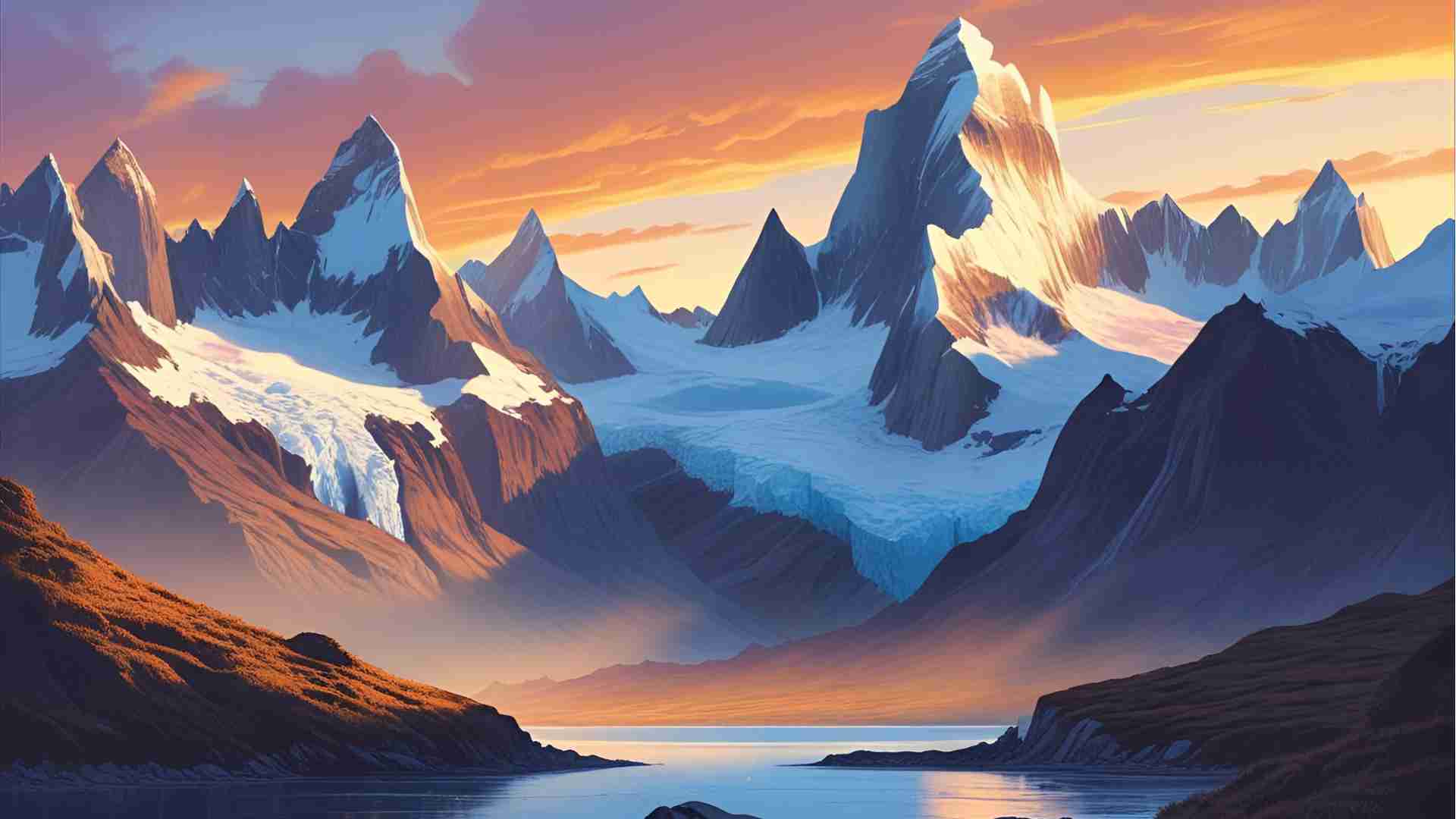
The 5 Best Places to Visit in Patagonia
Discover the 5 best places to visit in Patagonia, from Torres del Paine to Perito Moreno Glacier, with tips for planning an unforgettable adventure.
Patagonia, the rugged expanse shared by Argentina and Chile at the southern tip of South America, is a destination that captures the imagination with its dramatic landscapes, untamed wilderness, and rich cultural heritage. Spanning roughly 400,000 square miles, this region offers towering granite peaks, colossal glaciers, turquoise lakes, and abundant wildlife, making it a paradise for adventurers, nature lovers, and culture enthusiasts alike. From the iconic Torres del Paine National Park in Chile to the advancing Perito Moreno Glacier in Argentina, Patagonia’s diversity is unmatched. This guide explores the five best places to visit in Patagonia, offering practical insights, itinerary suggestions, and tips to plan an unforgettable journey.
Why Visit Patagonia?
Patagonia’s allure lies in its raw, unspoiled beauty and its ability to evoke a sense of wonder. The region’s vastness—stretching from the Andean peaks to the Atlantic and Pacific coasts—creates a mosaic of ecosystems, from lush rainforests to arid steppes. Its remoteness, coupled with extreme weather, has shaped a land that feels like the edge of the world. Beyond its natural splendor, Patagonia’s history, marked by indigenous tribes, European settlers, and modern-day adventurers, adds depth to the experience. Whether you’re trekking to Fitz Roy’s jagged peaks, cruising the Beagle Channel, or spotting whales at Peninsula Valdes, Patagonia delivers moments of awe that linger long after the journey ends.
The 5 Best Places to Visit in Patagonia
1. Torres del Paine National Park, Chile
Torres del Paine National Park, located in Chilean Patagonia, is arguably the crown jewel of the region. Known for its iconic granite towers— Torre Sur, Torre Central, and Torre Norte, which rise over 2,600 meters above sea level—the park is a haven for hikers and nature enthusiasts. Its turquoise lakes, sprawling glaciers, and diverse wildlife, including guanacos, pumas, and Andean condors, make it a must-visit.
Highlights:
- The W Trek: A 4-5 day, 50-mile trek offering stunning views of the towers, Grey Glacier, and French Valley. Ideal for moderately experienced hikers.
- Grey Glacier: Take a boat tour or kayak to witness this massive icefield, part of the Southern Patagonian Ice Cap.
- Short Hikes: For those with less time, trails like Mirador Las Torres (12 miles round trip) provide breathtaking tower views.
Activities:
Hiking dominates, but horseback riding, kayaking, and wildlife spotting are also popular. Guided tours ensure safe navigation of the park’s rugged terrain.
Accommodation:
Options range from five luxury hotels within the park, like Hotel Las Torres, to eco-friendly lodges near Grey Glacier. Camping is available for trekkers.
Getting There:
Fly from Santiago to Punta Arenas (3.5 hours), then drive or take a bus to Puerto Natales (3 hours), the gateway to the park. From Puerto Natales, it’s a 2-hour drive to Torres del Paine.
Cost:
- Park entrance: ~$35 USD per person (foreigners).
- W Trek guided tour: $1,500-$2,500 USD (5 days, including meals and gear).
- Budget lodging: $50-$100 USD/night; luxury hotels: $300-$600 USD/night.
Why Visit?
Torres del Paine’s dramatic landscapes and well-marked trails make it ideal for both seasoned trekkers and first-time visitors seeking iconic Patagonian scenery.
2. Perito Moreno Glacier, Argentina
In Argentina’s Los Glaciares National Park, the Perito Moreno Glacier stands out as one of the world’s most accessible and dynamic icefields. Spanning 100 square miles, this UNESCO World Heritage Site is one of the few glaciers still advancing, with ice chunks calving into Lake Argentino in a spectacular display. Its proximity to El Calafate makes it a convenient yet awe-inspiring stop.
Highlights:
- Viewing Platforms: Well-maintained boardwalks offer panoramic views of the glacier’s 200-foot-high ice walls.
- Glacier Trekking: Mini-treks (1.5 hours, ~$150 USD) or Big Ice treks (12 hours, ~$400 USD) let you walk on the glacier with crampons.
- Boat Tours: Cruises bring you close to the glacier’s face for ~$50 USD.
Activities:
Trekking and boat tours are the main draws, but nearby El Calafate offers 4×4 excursions, horseback riding, and stargazing.
Accommodation:
El Calafate, a 1-hour drive away, has budget hostels ($30-$60 USD/night), mid-range hotels ($80-$150 USD/night), and upscale options like Eolo Lodge ($500-$1,000 USD/night).
Getting There:
Fly from Buenos Aires to El Calafate (3 hours). From El Calafate, buses or taxis reach the glacier in 1 hour (~$20 USD round trip).
Cost:
- Park entrance: ~$20 USD.
- Glacier trekking: $150-$400 USD depending on tour length.
- Boat tour: ~$50 USD.
Why Visit?
Perito Moreno’s accessibility and the thrill of witnessing calving ice make it a bucket-list experience for nature lovers.
3. El Chaltén and Fitz Roy, Argentina
El Chaltén, dubbed Argentina’s “Trekking Capital,” is a small village nestled at the base of the Fitz Roy massif, a jagged granite range peaking at 11,170 feet. Located in Los Glaciares National Park, it’s a hub for world-class hiking with trails offering stunning views of Fitz Roy and Cerro Torre.
Highlights:
- Laguna de los Tres: A 12-mile, 9-hour round-trip hike to a turquoise lake beneath Fitz Roy’s peaks. Best at sunrise for vivid colors.
- Laguna Torre: A 11-mile trek to a lake framed by Cerro Torre, a needle-like peak.
- Huemul Circuit: A challenging 4-day, 40-mile trek with glacier views and river crossings (~$200 USD for guided tours).
Activities:
Hiking is the focus, but rock climbing and horseback riding are also available. The town’s frontier vibe, with cozy taverns serving Argentine steaks, adds charm.
Accommodation:
Hostels ($20-$50 USD/night), guesthouses ($60-$120 USD/night), and boutique hotels ($150-$300 USD/night) cater to all budgets.
Getting There:
Fly from Buenos Aires to El Calafate (3 hours), then take a 3-hour bus to El Chaltén (~$30 USD). Alternatively, travel by bus from Bariloche along Ruta 40 (25 hours, ~$100 USD).
Cost:
- Park entrance: Free.
- Guided day hikes: $80-$150 USD.
- Meals: $10-$25 USD per person in town.
Why Visit?
El Chaltén’s unparalleled trekking routes and proximity to Fitz Roy make it a paradise for outdoor enthusiasts seeking solitude and stunning vistas.
4. Bariloche and the Lake District, Argentina
San Carlos de Bariloche, often called the “Switzerland of South America,” is Patagonia’s northern gateway. Set along Nahuel Huapi Lake in the Andean foothills, it blends alpine charm with outdoor adventure. The surrounding Lake District, with its inky lakes and snow-capped peaks, is a scenic wonder.
Highlights:
- Seven Lakes Drive: A 67-mile route through lush forests and shimmering lakes, ideal for self-guided tours (~$100 USD/day for car rental).
- Nahuel Huapi National Park: Offers hiking (Cerro Campanario, 4 miles), biking, and horseback riding (~$50-$100 USD for guided tours).
- Catedral Alta: A premier ski resort in winter (June-August, lift tickets ~$50 USD/day).
Activities:
Hiking, skiing, kayaking, and horseback riding dominate, but Bariloche’s chocolatiers and craft breweries add a cultural twist.
Accommodation:
Budget hostels ($25-$50 USD/night), mid-range hotels ($70-$150 USD/night), and luxury lodges like Llao Llao Hotel ($300-$600 USD/night).
Getting There:
Fly from Buenos Aires to Bariloche (2.5 hours). Buses from Buenos Aires take 24 hours (~$80 USD).
Cost:
- Park entrance: ~$10 USD.
- Guided activities: $50-$150 USD.
- Dining: $15-$30 USD per meal.
Why Visit?
Bariloche’s blend of natural beauty, European-inspired charm, and year-round activities makes it a versatile Patagonian highlight.
5. Ushuaia and Tierra del Fuego, Argentina
Ushuaia, the world’s southernmost city, sits on the Beagle Channel in Tierra del Fuego, a fragmented archipelago at South America’s tip. It’s a launchpad for Antarctic cruises and a base for exploring rugged landscapes and marine wildlife.
Highlights:
- Beagle Channel Cruise: Spot seals, penguins, and whales (~$100-$150 USD for 4-6 hours).
- Tierra del Fuego National Park: Hike trails like Senda Costera (5 miles) or climb Glacier Martial for panoramic views (~$20 USD park entrance).
- Martillo Island: Visit a penguin rookery with gentoo and Magellanic penguins (~$150 USD for guided tours).
Activities:
Cruising, hiking, and penguin tours are top draws. Winter offers skiing and dog sledding (~$100-$200 USD).
Accommodation:
Hostels ($30-$60 USD/night), hotels ($80-$200 USD/night), and upscale options like Arakur Resort ($250-$500 USD/night).
Getting There:
Fly from Buenos Aires to Ushuaia (3.5 hours). Buses via Punta Arenas (Chile) take 12-15 hours (~$50 USD).
Cost:
- Park entrance: ~$20 USD.
- Beagle Channel cruise: $100-$150 USD.
- Penguin tour: ~$150 USD.
Why Visit?
Ushuaia’s end-of-the-world mystique, coupled with its wildlife and Antarctic access, makes it a unique Patagonian destination.
Planning Your Patagonia Adventure
Best Time to Visit
Patagonia’s summer (November-March) is ideal for trekking and outdoor activities, with temperatures of 55-70°F (13-22°C) and longer daylight hours. December-February offers the clearest skies but attracts crowds and higher prices. Spring (September-November) is great for whale watching and wildflowers, while fall (March-May) brings fewer tourists but wetter trails. Winter (June-August) suits skiers in Bariloche but limits hiking due to snow.
| Season | Pros | Cons | Best For |
|---|---|---|---|
| Summer (Dec-Feb) | Clear skies, warm days | Crowds, high prices, strong winds | Trekking, glacier tours |
| Spring (Sep-Nov) | Wildflowers, whale watching | Variable weather | Wildlife, fewer crowds |
| Fall (Mar-May) | Fewer tourists, fall colors | Wet trails, cloudy skies | Budget travel, photography |
| Winter (Jun-Aug) | Skiing, low prices | Snow, trail closures | Skiing, indoor activities |
How to Get There
Most trips start in Buenos Aires (Argentina) or Santiago (Chile). From Buenos Aires, domestic flights reach Bariloche (2.5 hours, ~$100-$200 USD), El Calafate (3 hours, ~$150-$250 USD), or Ushuaia (3.5 hours, ~$200-$300 USD). From Santiago, fly to Punta Arenas (3.5 hours, ~$150-$250 USD) for Torres del Paine. Long-distance buses, like those along Argentina’s Ruta 40, offer scenic but time-intensive options (24-25 hours, ~$80-$150 USD).
Itinerary Suggestions
A 7-10 day trip covers key highlights, while 14-21 days allows a deeper exploration. Sample itinerary for 10 days:
- Day 1-2: Fly to Bariloche. Explore Nahuel Huapi and Seven Lakes Drive.
- Day 3-4: Travel to Puerto Varas (Chile) via Cruce de los Lagos ferry. Hike in the Chilean Lake District.
- Day 5-6: Fly to Punta Arenas, drive to Torres del Paine. Day hikes or start W Trek.
- Day 7-8: Drive to El Calafate. Visit Perito Moreno Glacier.
- Day 9-10: Fly to Ushuaia. Cruise Beagle Channel, visit Tierra del Fuego. Return to Buenos Aires.
Packing Essentials
Patagonia’s unpredictable weather demands versatile gear:
- Waterproof trekking boots and warm socks.
- Layered clothing: thermal base layers, fleece jacket, waterproof outer shell.
- Sunglasses, sunscreen, and insect repellent.
- Trekking backpack (20-30L for day hikes).
- Satellite phone or emergency beacon for remote trails (optional, ~$100-$200 USD to rent).
Guided Tours vs. Independent Travel
Guided tours, like those by G Adventures or The Explorer’s Passage, simplify logistics in Patagonia’s remote areas. A 14-day tour covering both sides costs $3,000-$5,000 USD, including meals, transport, and guides. Independent travel suits experienced adventurers but requires careful planning due to spotty cell service, extreme winds, and long distances.
Cultural and Historical Insights
Patagonia’s history enriches its landscapes. Indigenous tribes like the Tehuelche and Mapuche thrived here before Spanish explorers arrived in the 16th century. European settlers, including Welsh immigrants in Chubut, Argentina, left a cultural legacy seen in towns like Gaiman. Historic sites like La Trochita, a narrow-gauge railway, offer a glimpse into Patagonia’s past (~$50 USD for a ride).
Chart: Patagonia Travel Flow
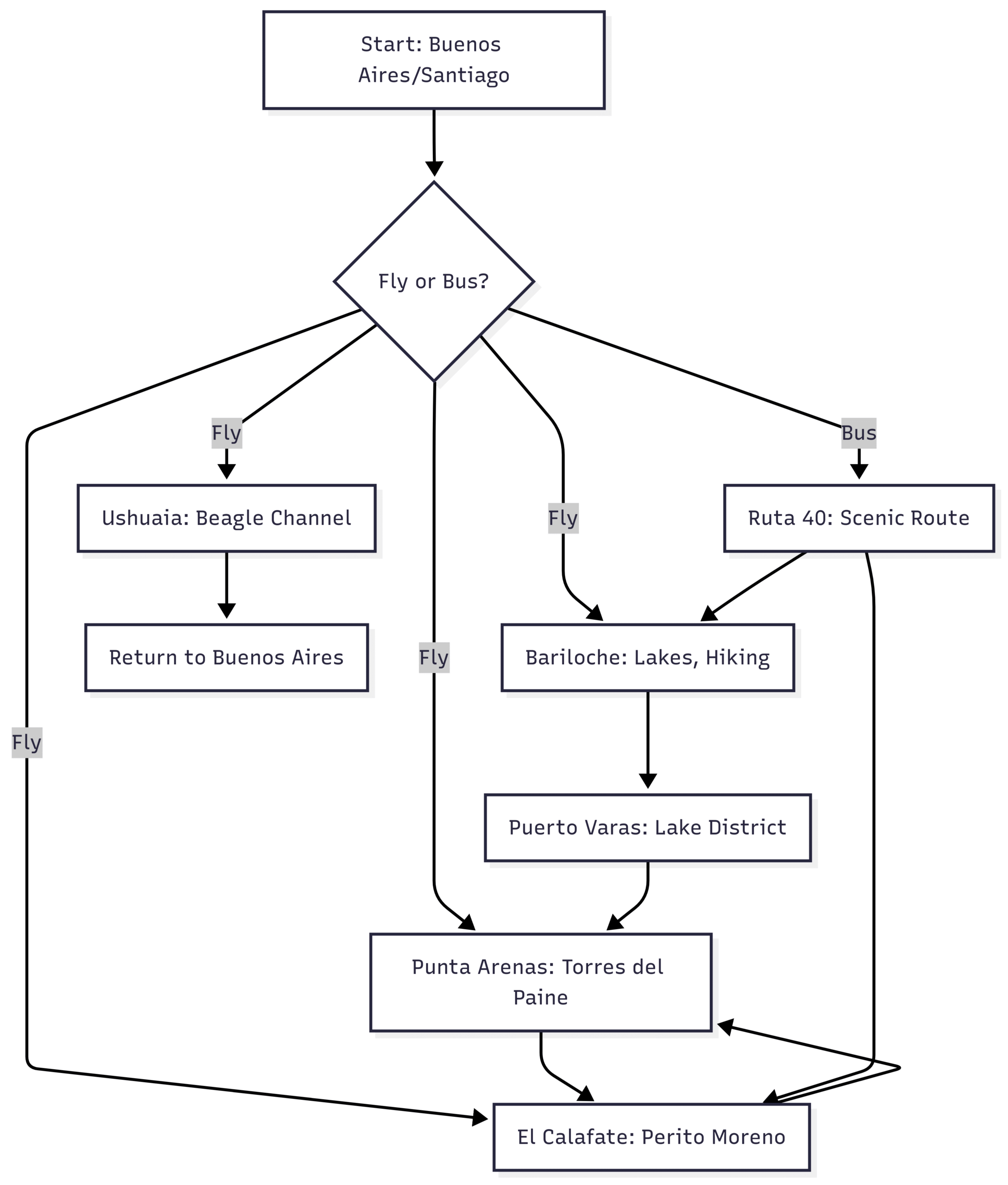
This chart illustrates travel routes starting from Buenos Aires or Santiago, showing connections between key destinations.
Additional Gems in Patagonia
- Peninsula Valdes, Argentina: A UNESCO site near Puerto Madryn, ideal for whale watching (June-December, ~$100 USD tours) and spotting penguins, sea lions, and orcas.
- Puerto Varas, Chile: A charming town in the Chilean Lake District with volcano views and rainforest hikes (~$50 USD for guided tours).
- Welsh Patagonia, Argentina: Visit Gaiman for tea houses and Welsh heritage (~$20 USD for tours).
Why Patagonia Stands Out
Patagonia’s blend of natural wonders, adventure opportunities, and cultural depth sets it apart. Whether marveling at Fitz Roy’s granite spires, trekking on Perito Moreno’s ice, or sailing past penguins in Ushuaia, the region delivers experiences that resonate deeply. Its remoteness challenges travelers but rewards them with unparalleled beauty and a sense of discovery.
Conclusion
The five best places to visit in Patagonia—Torres del Paine, Perito Moreno Glacier, El Chaltén, Bariloche, and Ushuaia—offer a gateway to one of Earth’s last wild frontiers. Plan your trip for November-March, pack for variable weather, and consider guided tours for ease. Whether you’re a trekker, wildlife enthusiast, or history buff, Patagonia’s magic will captivate you. Book with trusted operators like G Adventures or The Explorer’s Passage, and embark on an adventure to the end of the world.
Please share this The 5 Best Places to Visit in Patagonia with your friends and do a comment below about your feedback.
We will meet you on next article.
Until you can read, 7 Things I Hate About Backpacking