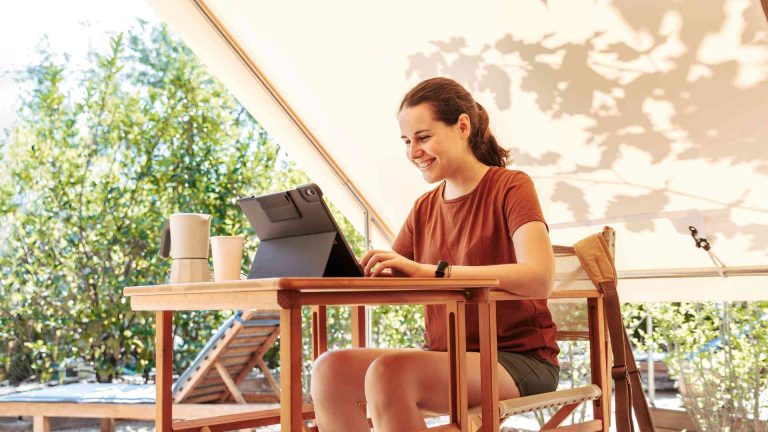
Cultural Sensitivity and Adaptation for Digital Nomads
Learn cultural sensitivity and adaptation tips for digital nomads to respectfully navigate diverse cultures and build meaningful connections.
As digital nomads traverse the globe, blending work with travel, they encounter a tapestry of cultures, each with unique customs, values, and social norms. Cultural sensitivity and adaptation are not just courtesies but essential skills for fostering meaningful connections, avoiding misunderstandings, and enriching the nomadic experience. This guide offers practical strategies for digital nomads to navigate diverse cultures respectfully, support local communities, and thrive in global workspaces. From pre-travel research to building authentic relationships, we cover the tools, mindset, and actions needed to become a culturally aware global citizen.
Why Cultural Sensitivity Matters for Digital Nomads
Digital nomads, by their lifestyle, are ambassadors of cross-cultural exchange. Working remotely while traveling exposes them to diverse environments where missteps in etiquette or communication can lead to strained relationships or professional setbacks. Cultural sensitivity enhances personal growth, strengthens professional interactions, and ensures a positive impact on host communities. It also mitigates challenges like language barriers, cultural misunderstandings, and technological disruptions, which are common in the nomadic lifestyle.
By embracing cultural awareness, nomads can avoid contributing to issues like gentrification or cultural erosion, as highlighted by a digital nomad on Reddit seeking advice on responsible immersion. This guide addresses such concerns, offering actionable insights to balance personal exploration with respect for local heritage.
Pre-Travel Research: Laying the Foundation
Before setting foot in a new destination, thorough research is the cornerstone of cultural sensitivity. Understanding local customs, social norms, and legal frameworks prevents unintentional offenses and demonstrates respect.
Key Areas to Research
- Local Customs and Traditions: Learn about greetings, gift-giving, and social taboos. For example, bowing is customary in Japan, while direct eye contact may be seen as confrontational in some Asian cultures.
- Social Norms and Etiquette: Study public behavior, dining manners, and dress codes. In conservative regions like the Middle East, modest clothing is often expected, especially at religious sites.
- Legal and Regulatory Framework: Familiarize yourself with local laws, such as restrictions on public behavior or alcohol consumption, to avoid legal trouble.
- Cuisine and Dining Customs: Understand meal structures and tipping practices. In some cultures, eating with hands is standard, while in others, it’s considered impolite.
Resources for Research
- Cultural Etiquette Guides: Websites like Culture Crossing and Kwintessential offer detailed insights into global customs.
- Travel Blogs and Forums: Platforms like Reddit’s r/digitalnomad provide real-world experiences from fellow nomads.
- Local News and Media: Stay updated on current events to contextualize cultural practices.
Practical Example
A nomad planning to visit Thailand might research the importance of respecting the monarchy, avoiding pointing feet at people, and dressing modestly at temples. Such preparation prevents cultural faux pas and enhances interactions with locals.
Language Skills: Breaking the Barrier
Language is a gateway to culture. While fluency isn’t always feasible, learning basic phrases shows respect and fosters goodwill. Even simple greetings can transform interactions, as noted by a Reddit user who emphasized language’s role in forming genuine connections.
Strategies for Language Learning
- Learn Basic Phrases: Master greetings (“hello,” “thank you”), polite expressions, and essential questions (“where is…?”). For example, saying “sawasdee” in Thailand or “arigatou” in Japan can warm up conversations.
- Use Language Apps: Tools like Duolingo, Babbel, or Lingoda offer structured lessons for beginners. These apps are ideal for nomads with busy schedules.
- Practice with Locals: Engage in language exchange meetups or online platforms like Tandem to practice with native speakers.
- Hire Interpreters for Critical Situations: For business negotiations or emergencies, consider local interpreters to ensure clarity.
Benefits of Language Skills
- Building Rapport: Locals appreciate efforts to speak their language, even if imperfect.
- Navigating Daily Life: Basic phrases help with ordering food, asking directions, or resolving issues.
- Cultural Insight: Language reveals cultural nuances, such as honorifics in Korean or indirect communication in Japanese.
Chart: Language Learning Workflow

This workflow illustrates a practical approach to acquiring basic language skills, emphasizing consistent practice and real-world application.
Respecting Local Traditions: Immersive Engagement
Participating in local traditions enriches the nomadic experience while signaling respect for the host culture. From festivals to religious practices, thoughtful engagement builds bridges with communities.
How to Respect Traditions
- Join Local Festivals: Attend events like Diwali in India or Songkran in Thailand to experience cultural vibrancy. Participate respectfully, following local guidance.
- Adhere to Dress Codes: Wear appropriate attire, especially at sacred sites. For instance, cover shoulders and knees when visiting mosques or temples.
- Observe Rituals: Learn the significance of rituals, such as removing shoes before entering homes in many Asian cultures, to avoid disrespect.
- Support Cultural Preservation: Contribute to initiatives that protect heritage, such as donating to local museums or attending cultural workshops.
Case Study: Vietnam
In Vietnam, nomads might join Tet celebrations, wearing traditional ao dai for special occasions, as locals often appreciate foreigners embracing their culture. However, a Reddit commenter noted that in some contexts, excessive efforts to “fit in” can seem performative, so balance participation with authenticity.
Building Authentic Relationships with Locals
Forming genuine connections with locals provides cultural insights and combats the isolation often reported by nomads on platforms like r/expat. Meaningful relationships require openness, respect, and patience.
Strategies for Connection
- Be Open and Curious: Approach locals with genuine interest in their lives and culture. Ask thoughtful questions about traditions or daily routines.
- Join Local Communities: Participate in Meetup groups, InterNations events, or local hobby clubs (e.g., yoga, cooking, or hiking).
- Volunteer Locally: Contribute to community projects, such as teaching English or supporting environmental initiatives, to build trust.
- Avoid Overstepping: Respect cultural boundaries, especially in personal matters like dating, as cautioned by a Reddit user.
Table: Platforms for Connecting with Locals
| Platform | Description | Best For |
|---|---|---|
| Meetup | Organizes local events and groups | Hobby-based connections |
| InterNations | Connects expats and locals globally | Professional networking |
| Couchsurfing | Facilitates cultural exchanges | Authentic local experiences |
| Tandem | Language exchange with native speakers | Language and cultural learning |
Overcoming Challenges
A Reddit user highlighted the difficulty of forming friendships without language skills, comparing it to a non-English-speaking tourist trying to immerse in a small U.S. town. Nomads should prioritize language learning and seek shared interests to bridge gaps.
Adapting to Local Work Practices
Professional success as a nomad hinges on understanding local work cultures. From communication styles to work hours, adaptation ensures smooth collaborations.
Key Considerations
- Respect Work Hours and Holidays: Align schedules with local norms. For example, avoid scheduling meetings during siesta hours in Spain or major holidays like Chinese New Year.
- Understand Communication Styles: Adapt to direct (e.g., German) or indirect (e.g., Japanese) communication to avoid misunderstandings.
- Leverage Virtual Tools: Use platforms like Teemyco for remote collaboration, respecting time zones when scheduling.
Example: Latin America
In many Latin American countries, relationship-building precedes business discussions. Nomads should invest time in small talk and avoid rushing into agendas, aligning with local expectations.
Cultural Sensitivity in Digital Communication
Even in virtual spaces, cultural sensitivity is critical. Missteps in language or timing can strain professional relationships.
Best Practices
- Use Neutral Language: Avoid idioms or slang that may not translate well. For example, “kick the bucket” could confuse non-native English speakers.
- Mind Time Zones: Schedule meetings at mutually convenient times, using tools like World Time Buddy.
- Respect Digital Etiquette: In some cultures, formal email greetings are expected, while others prefer casual communication.
Navigating Local Etiquette and Taboos
Understanding etiquette and taboos prevents unintentional disrespect. These vary widely, requiring careful observation and adaptation.
Common Areas of Focus
- Dining Etiquette: Learn tipping norms (e.g., standard in the U.S., rare in Japan) and table manners (e.g., slurping noodles is polite in Japan).
- Personal Space: Respect physical boundaries, which differ across cultures. Latin Americans may stand closer during conversations, while Japanese prefer more distance.
- Gestures: Avoid gestures with unintended meanings, like the “OK” hand sign, which can be offensive in Brazil.
Chart: Navigating Cultural Etiquette

This chart outlines a process for learning and applying local etiquette, emphasizing observation and adaptation.
Supporting Local Economies and Minimizing Impact
Digital nomads must balance their presence with positive contributions to host communities, addressing concerns like gentrification raised in Reddit discussions.
Strategies
- Patronize Local Businesses: Eat at local restaurants, shop at markets, and stay in locally-owned accommodations like shared Airbnbs, as suggested by a Reddit commenter.
- Avoid Gentrification: Choose neighborhoods less impacted by tourism to reduce pressure on housing markets.
- Minimize Environmental Impact: Use eco-friendly transport (e.g., bikes via BikesBooking.com), reduce waste, and support conservation initiatives.
Tools for Responsible Travel
- DrimSim: Affordable global SIM cards for staying connected without relying on local infrastructure.
- Radical Storage: Secure luggage storage to support local businesses.
- 12Go Asia: Book eco-friendly transport options in Asia.
Embracing Continuous Learning
Cultural sensitivity is a lifelong journey. Nomads must remain open to feedback, reflection, and growth.
How to Learn Continuously
- Seek Local Feedback: Ask locals for insights on your behavior and adjust accordingly.
- Reflect on Experiences: Journal interactions to identify patterns and areas for improvement.
- Engage with Initiatives: Join organizations like Responsible Travel or local cultural preservation groups.
Reddit Insight
A user noted that excessive efforts to fit in can seem “cringey” in some cultures, underscoring the need for authenticity. Nomads should learn from such feedback to strike a balance.
Overcoming Common Challenges
Digital nomads face hurdles like language barriers, cultural misunderstandings, and technical issues. Preparation and flexibility are key.
Solutions
- Language Barriers: Use translation apps like Google Translate or hire interpreters for critical situations.
- Cultural Misunderstandings: Apologize sincerely, learn from mistakes, and seek local guidance.
- Technical Issues: Invest in reliable tech (e.g., portable Wi-Fi) and have backup plans, such as coworking spaces.
Tools and Services for Nomads
The following table lists tools to enhance cultural adaptation and travel efficiency, with estimated costs where applicable.
| Tool/Service | Description | Approx. Cost (USD) |
|---|---|---|
| Duolingo | Language learning app | Free/$6.99+/month |
| Babbel | Structured language courses | $13.95/month |
| DrimSim | Global SIM card for data/voice | $0.01/MB+ |
| Radical Storage | Luggage storage worldwide | $5-$10/day |
| Hotellook | Accommodation price comparison | Varies |
| Priority Pass | Access to 1300+ airport lounges | $99-$429/year |
Conclusion: Becoming a Culturally Sensitive Nomad
Cultural sensitivity and adaptation are indispensable for digital nomads seeking to thrive in diverse environments. By researching cultures, learning languages, respecting traditions, building relationships, and adapting to local practices, nomads can create enriching experiences while leaving a positive impact. Tools like language apps, travel services, and community platforms empower nomads to navigate challenges and embrace global citizenship.
For further insights, explore our “Your Niche as a Nomad” series, covering networking, remote work, and more. Safe travels, and may your journey be as culturally rich as it is professionally rewarding!
We will meet you on next article.
Until you can read, How to Find Reliable Wi-Fi as a Digital Nomad?