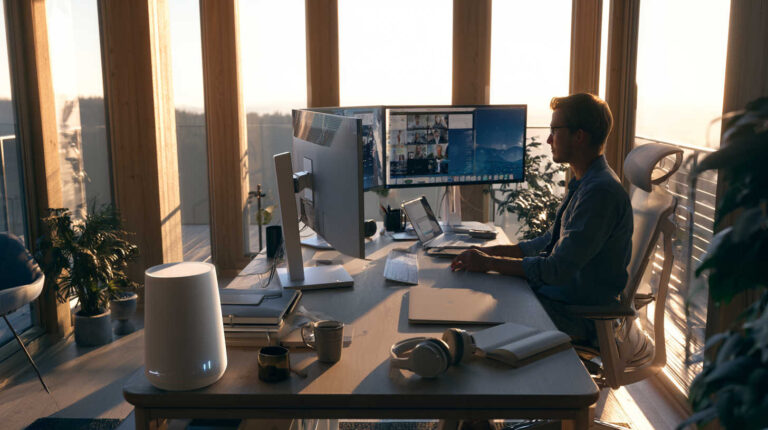
Digital Nomad’s Guide to Efficient Social Media Management
Master social media as a digital nomad with tips to build your brand, network, and monetize content effectively.
The digital nomad lifestyle has transformed how professionals work and live, blending freedom, travel, and career in a way that was unimaginable a decade ago. Enabled by advancements in technology and the rise of remote work, digital nomads leverage the internet to perform their jobs from anywhere in the world—be it a beach in Bali, a café in Lisbon, or a co-working space in Chiang Mai. This lifestyle prioritizes flexibility, allowing individuals to explore new cultures while maintaining professional growth. At the heart of this movement lies social media, a powerful tool that connects nomads to opportunities, communities, and audiences worldwide.
Social media is not just a platform for sharing travel photos; it’s a strategic asset for digital nomads to build their personal brand, network across borders, and even generate income. This guide explores why social media is indispensable for digital nomads and provides actionable strategies to manage it efficiently, ensuring you maximize its potential while balancing the demands of a nomadic lifestyle.
Why Social Media Matters for Digital Nomads
Social media serves as a lifeline for digital nomads, addressing both personal and professional needs in a transient lifestyle. Here are the key reasons why it’s critical:
1. Networking and Community Building
Digital nomads often face isolation due to their constant movement. Social media platforms like Facebook, Instagram, and LinkedIn offer spaces to connect with like-minded individuals. Groups such as Digital Nomads Around the World on Facebook or Nomad List provide forums to share experiences, seek advice, and organize meetups. These communities foster a sense of belonging, helping nomads combat loneliness and build lasting relationships.
2. Finding Opportunities
Social media is a hub for discovering remote work, freelance gigs, and collaborative projects. Platforms like LinkedIn allow nomads to connect with potential clients or employers, while Twitter offers real-time updates on job postings and industry trends. Hashtags like #RemoteWork or #DigitalNomad can lead to opportunities that align with your skills, whether you’re a writer, designer, or developer.
3. Showcasing Skills and Expertise
A well-curated social media presence acts as a digital portfolio. For instance, a photographer can use Instagram to display their work, while a consultant might share insights on LinkedIn to establish thought leadership. Consistent, high-quality content demonstrates expertise and attracts clients or collaborators, regardless of your physical location.
4. Personal Growth and Reflection
Documenting your nomadic journey on social media encourages reflection. Sharing challenges, successes, and lessons learned helps you process experiences and inspires others. This act of storytelling fosters personal growth and builds a narrative that resonates with your audience.
5. Monetization and Promotion
Social media offers multiple avenues for monetization, from sponsored posts to affiliate marketing. Nomads can promote their services, drive traffic to their websites, or sell digital products like e-books or courses. Platforms like YouTube and Instagram are particularly lucrative for those who build a strong following.
Strategies for Efficient Social Media Management
To harness social media’s potential, digital nomads must approach it strategically. Below are proven strategies to manage your online presence effectively while on the move.
1. Identify Your Brand
Your personal brand is the foundation of your social media strategy. It defines how you present yourself and what you stand for. To create a cohesive brand:
- Define Your Niche: Focus on one or two areas of expertise, such as travel writing or web development, to avoid diluting your message.
- Know Your Audience: Understand who you’re targeting—potential clients, fellow nomads, or a broader audience interested in your lifestyle.
- Maintain Consistency: Use consistent visuals, tone, and messaging across platforms to make your brand recognizable.
For example, a travel blogger might focus on sustainable tourism, sharing eco-friendly travel tips and partnering with green brands. This clarity helps attract an audience aligned with their values.
2. Curate Your Profile
Your social media profiles are often the first impression you make. Optimize them by:
- Using Professional Visuals: Include a high-quality headshot and a visually appealing cover photo that reflects your brand.
- Crafting a Clear Bio: Summarize your expertise and personality in a concise, engaging bio. For instance, “Freelance UX Designer | Helping brands create user-friendly experiences | Nomad exploring Asia.”
- Including Contact Info: Add links to your website, portfolio, or email to make it easy for opportunities to find you.
Regularly audit your profiles to remove outdated or unprofessional content. An old, poorly worded post could cost you a professional opportunity.
3. Engage Actively
Engagement is the currency of social media. To build a network:
- Join Relevant Groups: Participate in communities like Digital Nomad Girls or Freelancers on LinkedIn to connect with peers.
- Comment and Share: Engage with others’ content by leaving thoughtful comments or sharing valuable posts. This increases your visibility and fosters reciprocity.
- Attend Virtual Events: Webinars, Twitter chats, and virtual conferences are excellent for networking. Tools like Eventbrite or Meetup can help you find events relevant to your niche.
4. Share Valuable Content
Content is king, but it must resonate with your audience. Focus on:
- Quality Over Quantity: Share insights, tips, or stories that provide value. For example, a coder might post a tutorial on debugging common errors.
- Visual Appeal: Use high-quality images, infographics, or videos to make your content stand out.
- Storytelling: Share personal anecdotes about your nomadic journey to connect emotionally with your audience.
5. Promote Your Work
Showcase your projects through compelling content:
- Portfolio Posts: Share snippets of your work, like a before-and-after design or a blog post excerpt, with a call-to-action linking to your portfolio.
- Client Testimonials: Highlight positive feedback to build credibility.
- Cross-Promotion: Use platforms like Pinterest or Twitter to drive traffic to your website or other social profiles.
6. Leverage Hashtags
Hashtags increase your content’s reach. Research trending and niche-specific hashtags like #DigitalNomadLife or #FreelanceDesigner to attract the right audience. Tools like Hashtagify or RiteTag can help identify effective hashtags.
7. Use Management Tools
Managing multiple platforms while traveling is challenging. Social media management tools streamline the process:
| Tool | Features | Price (Monthly) | Best For |
|---|---|---|---|
| Buffer | Scheduling, analytics, multi-platform | Free-$6 | Beginners, small accounts |
| Hootsuite | Scheduling, monitoring, team collaboration | $19-$99 | Advanced users, multiple accounts |
| Sprout Social | Analytics, engagement, reporting | $99-$249 | Businesses, detailed analytics |
These tools allow you to schedule posts, track engagement, and monitor analytics, saving time and ensuring consistency. For example, Buffer’s free plan supports up to three social accounts, making it ideal for nomads starting out.
8. Be Authentic
Authenticity builds trust. Share genuine experiences—both successes and challenges—to connect with your audience. For instance, a post about overcoming a work-from-café Wi-Fi struggle can resonate more than a polished travel photo.
9. Set Boundaries
The nomadic lifestyle blurs work and personal life. To avoid burnout:
- Schedule Content Creation: Dedicate specific hours for social media tasks.
- Limit Screen Time: Use apps like Freedom or StayFocusd to manage distractions.
- Separate Accounts: Maintain private personal accounts and public professional ones to protect your privacy.
Visualizing Your Social Media Strategy
To illustrate a balanced social media schedule, here’s a Mermaid chart outlining a weekly plan for a digital nomad managing multiple platforms:

This chart ensures you allocate time for creation, scheduling, engagement, and analysis, maintaining a consistent presence without overwhelming your schedule.
Monetizing Your Social Media Presence
Social media can be a revenue stream for digital nomads. Here are key monetization strategies:
- Sponsored Posts: Partner with brands relevant to your niche. For example, a travel nomad might collaborate with a luggage brand.
- Affiliate Marketing: Promote products and earn commissions through links. Platforms like Amazon Associates or ShareASale are popular.
- Digital Products: Sell e-books, courses, or templates. A graphic designer could offer Canva templates via Gumroad.
- Services: Promote freelance services, such as writing or consulting, directly through your profiles.
To monetize effectively, build a following of at least 1,000-5,000 engaged followers, depending on the platform. Engagement rates (likes, comments, shares) are often more important than follower count for brands.
Balancing Work and Play
The allure of new destinations can distract from work. Social media tools help maintain productivity:
- Time Management Apps: Tools like Trello or Notion help organize content creation tasks.
- Automation: Use IFTTT to automate cross-posting or notifications, freeing up time for exploration.
- Community Tips: Follow productivity-focused nomads on Twitter or Instagram for time management strategies.
Common Mistakes to Avoid
- Inconsistent Posting: Sporadic posts reduce visibility. Aim for 3-5 posts per week on Instagram/Facebook, 1-2 on LinkedIn, and 2-3 daily on Twitter.
- Ignoring Analytics: Use tools like Instagram Insights or LinkedIn Analytics to understand what content performs best.
- Overloading Content: Avoid posting multiple times daily on platforms like Instagram to prevent audience fatigue.
- Neglecting Privacy: Ensure personal accounts are private to avoid professional repercussions from casual posts.
Conclusion: Thrive as a Digital Nomad with Social Media
Social media is a game-changer for digital nomads, offering tools to connect, promote, and profit while embracing a life of freedom and adventure. By defining your brand, curating your profiles, engaging actively, and leveraging management tools, you can build a powerful online presence that supports your nomadic journey. Whether you’re networking in a new city, showcasing your skills, or monetizing your content, social media empowers you to thrive, no matter where in the world you are.
Please share this Digital Nomad’s Guide to Efficient Social Media Management with your friends and do a comment below about your feedback.
We will meet you on next article.
Until you can read, Why Coworking Spaces Are Beneficial for Remote Workers