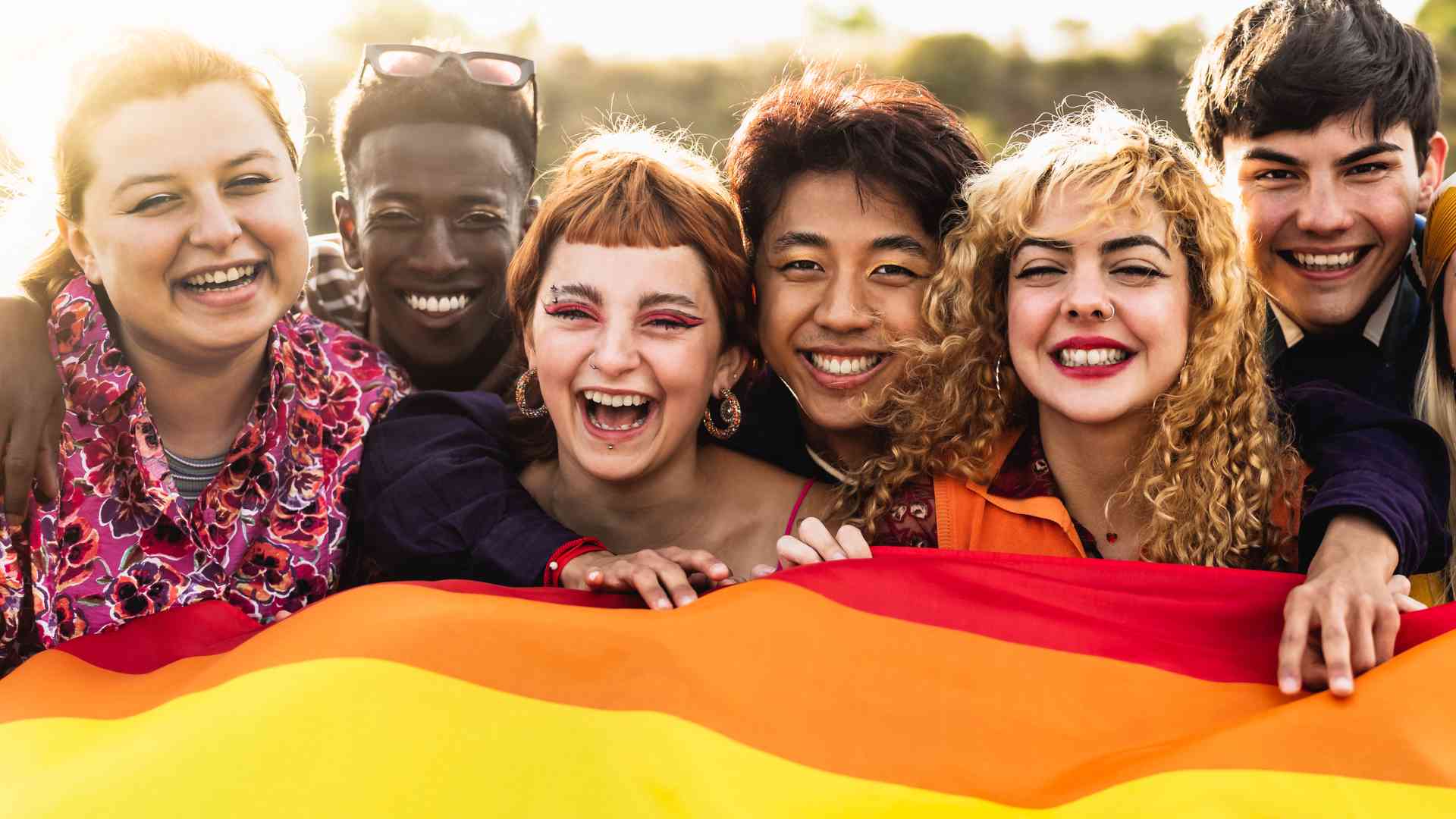
How to thrive as an LGBTQ+ digital nomad
Discover how to thrive as an LGBTQ+ digital nomad with tips on safety, inclusive housing, community building, and business success.
The digital nomad lifestyle offers unparalleled freedom to work remotely while exploring the world. For LGBTQ+ individuals, this way of life presents unique opportunities to engage with diverse cultures and communities, but it also comes with distinct challenges, such as navigating safety concerns, finding inclusive accommodations, and building supportive networks. This comprehensive guide explores the challenges faced by LGBTQ+ digital nomads and provides practical, tailored solutions to help them thrive. From researching queer-friendly destinations to fostering entrepreneurial success, this article equips queer nomads with the tools to live authentically and confidently while on the move.
Understanding the Challenges
LGBTQ+ digital nomads encounter obstacles that require careful planning and adaptability. These challenges stem from the intersection of their identities and the transient nature of the nomadic lifestyle. Below, we outline the primary hurdles and their implications.
Safety and Security
Safety is a paramount concern for LGBTQ+ digital nomads. In many parts of the world, societal attitudes and legal frameworks are hostile toward queer individuals. According to ILGA World’s State-Sponsored Homophobia report, over 60 countries criminalize same-sex relationships, with penalties ranging from fines to imprisonment or worse. Even in countries where homosexuality is legal, social stigma can lead to discrimination or violence. For example, Deniz, a queer digital nomad, faced homophobic abuse from hotel staff in Egypt, highlighting the risks of expressing one’s identity in less progressive regions.
The constant need to assess safety can take a mental toll. Simple acts like holding a partner’s hand or booking a shared hotel room—things often taken for granted by straight travelers—can feel risky. This hypervigilance can lead to stress and a sense of being “back in the closet,” as Julian, a seasoned nomad, described when reflecting on his experiences in Spain and beyond.
Finding Inclusive Housing and Communities
Securing safe and welcoming accommodations is a significant challenge. Short-term rentals or hotels in conservative areas may not be inclusive, and finding long-term housing that feels like a safe haven can be even harder. Additionally, the transient nature of digital nomadism makes it difficult to build lasting connections. Unlike static communities where queer individuals can find local support groups, nomads must constantly seek new networks, which can feel isolating.
Cultural Sensitivity and Adaptation
Navigating cultural norms around gender and sexuality requires research and adaptability. In some destinations, public displays of affection (PDA) may be frowned upon or outright dangerous for LGBTQ+ individuals. Understanding local customs, dress codes, and social expectations is critical to avoiding misunderstandings or hostility. For example, what might be considered a harmless gesture in one country could be interpreted as provocative in another.
Maintaining Routine and Mental Health
The nomadic lifestyle can disrupt routines, leading to feelings of instability. For LGBTQ+ nomads, this can be compounded by the lack of visible queer representation in some areas, fostering isolation. Mental health challenges are further exacerbated by the need to constantly “code-switch” or hide parts of one’s identity. Access to mental health resources tailored to queer individuals may also be limited in certain regions.
Economic Concerns
Managing finances across countries is complex for any digital nomad, but LGBTQ+ individuals face additional hurdles. Accessing affordable healthcare, particularly for gender-affirming care or mental health support, can be challenging. Insurance plans may not cover specific needs, and navigating foreign healthcare systems can be daunting. Additionally, fluctuating exchange rates and varying costs of living require careful financial planning.
Visibility and Representation
In many destinations, the lack of visible LGBTQ+ communities can lead to feelings of exclusion. Queer nomads may struggle to find spaces where they can be themselves without fear of judgment. This lack of representation can make it harder to connect with like-minded individuals or access resources tailored to their needs.
Tailored Solutions for Thriving as an LGBTQ+ Digital Nomad
Despite these challenges, LGBTQ+ digital nomads can thrive by adopting proactive strategies. Below are actionable solutions to address each hurdle, ensuring a fulfilling and safe nomadic experience.
Thorough Destination Research
Before traveling, research is essential to identify queer-friendly destinations. Resources like the ILGA World database and travel guides such as Out Traveler or Nomadic Boys provide insights into local laws, cultural attitudes, and queer-friendly establishments. For example, destinations like Lisbon, Portugal, and Guadalajara, Mexico (nicknamed “GAYdalajara” for its vibrant queer scene), are known for their welcoming environments and active digital nomad communities.
Table: Top Queer-Friendly Digital Nomad Destinations
| Destination | LGBTQ+ Rights | Nomad Scene | Key Features |
|---|---|---|---|
| Lisbon, Portugal | Same-sex marriage legal, anti-discrimination laws | Vibrant coworking spaces, affordable | Beaches, nightlife, Pride events |
| Guadalajara, Mexico | Same-sex marriage legal in Jalisco | Growing nomad hub | Thriving queer community, affordable living |
| Chiang Mai, Thailand | No anti-discrimination laws, but socially tolerant | Established nomad community | Low cost of living, coworking spaces |
| Berlin, Germany | Strong LGBTQ+ protections | Large nomad and queer communities | Diverse nightlife, cultural events |
Chart: Decision Tree for Choosing a Destination

Utilize LGBTQ+ Resources
Online communities are invaluable for queer nomads. Platforms like Queer Women Digital Nomads and LGBTQ+ Digital Nomads and Freelancers on Facebook offer advice, travel buddies, and shared experiences. Apps like Nomad Soulmates connect queer nomads for friendship or romance, hosting virtual and in-person events. Travel blogs and podcasts, such as those by World Footprints, provide firsthand accounts from queer travelers like Michael Luongo, who explores the intersection of travel and LGBTQ+ issues.
Prioritize Safety and Privacy
To protect personal safety, use a VPN for secure internet access, especially on public Wi-Fi. Avoid sharing sensitive information online and be cautious about PDA in conservative areas. Apps like GeoSure provide real-time safety ratings for neighborhoods, helping nomads make informed decisions. When booking accommodations, verify the host’s inclusivity through reviews or platforms like Misterb&b, a queer-friendly alternative to Airbnb.
Seek Out Inclusive Spaces
Coliving and coworking spaces designed for digital nomads often foster inclusive environments. For example, Outsite offers queer-friendly coliving spaces in destinations like Lisbon and San Diego. Attending Pride events, queer meetups, or coworking space socials can also help nomads connect with local communities. Sophie Bellamy, a queer nomad, found lifelong friends and a business partner through such spaces in Guadalajara.
Advocate for Change
LGBT denim nomads can amplify their voices by sharing experiences on platforms like X or travel blogs. Supporting organizations like the International Gay and Lesbian Travel Association (IGLTA) or local queer rights groups fosters greater visibility. By advocating for inclusivity within the nomad community, queer travelers can drive systemic change.
Build a Strong Support Network
Creating a “chosen family” is vital for emotional well-being. Engage with online forums, attend digital nomad meetups, or join language exchanges to meet other queer individuals. Sophie Bellamy’s story illustrates the power of serendipitous connections—meeting her business partner, Holly Close, while traveling led to the creation of Good Egg, a queer-focused business.
Prioritize Mental and Physical Health
Establishing routines, such as regular exercise or meditation, helps combat the instability of nomad life. Online therapy platforms like BetterHelp offer queer-friendly mental health support, accessible from anywhere. For physical health, research healthcare providers in advance, especially for gender-affirming care. Platforms like QueerMed provide telehealth options for LGBTQ+ individuals.
Building a Successful Business
For queer nomads with entrepreneurial aspirations, the digital nomad lifestyle offers unique opportunities. Leveraging niche markets, such as queer-focused services, can set businesses apart. For example, Sophie and Holly’s Good Egg caters to women and non-binary entrepreneurs, filling a gap in the market. Time management tools like Trello or Asana help maintain productivity on the road. Mentorship from established queer entrepreneurs, accessible through platforms like StartOut, can provide guidance.
Table: Tools for Queer Nomad Entrepreneurs
| Tool | Purpose | LGBTQ+ Relevance |
|---|---|---|
| Trello | Project management | Organize tasks across time zones |
| StartOut | Mentorship for queer entrepreneurs | Connects with queer business leaders |
| Nomad Soulmates | Networking and community | Queer-friendly events and connections |
| Upwork | Freelance opportunities | Access to queer-focused projects |
Real-Life Stories: Lessons from the Road
Deniz’s Wake-Up Call in Egypt
Deniz’s experience in Egypt underscores the importance of researching destinations. After facing homophobic harassment, he now prioritizes queer-friendly accommodations and connects with local queer communities before traveling. His story highlights the need for vigilance and preparation.
Sophie’s Journey to Community
Sophie Bellamy’s eight years as a nomad show the power of community. From meeting friends at Pride events to founding a business with a fellow queer nomad, her story illustrates how connections can transform the nomadic experience. She advises new nomads to start in queer-friendly hubs like Lisbon or Guadalajara for a “soft landing.”
Julian’s Struggle with Visibility
Julian’s reflections on feeling “back in the closet” reveal the emotional toll of navigating conservative destinations. He copes by seeking out queer-friendly coworking spaces and online communities, which provide a sense of belonging despite constant movement.
Practical Steps for New LGBTQ+ Digital Nomads
- Start with Research: Use resources like ILGA World and Nomadic Boys to choose safe destinations.
- Join Communities: Engage with online groups like Queer Women Digital Nomads or Nomad Soulmates.
- Secure Accommodations: Book through platforms like Misterb&b or Outsite for inclusive housing.
- Protect Privacy: Use a VPN and avoid PDA in conservative areas.
- Build Routines: Establish daily habits to maintain mental and physical health.
- Network Strategically: Attend queer-friendly events and connect with local communities.
- Leverage Entrepreneurship: Explore niche markets and seek mentorship for business success.
Conclusion
The LGBTQ+ digital nomad lifestyle is a vibrant blend of freedom, exploration, and resilience. By addressing challenges like safety, housing, and community-building with proactive strategies, queer nomads can create fulfilling lives on the road. From researching destinations to fostering entrepreneurial ventures, the tools and resources outlined in this guide empower LGBTQ+ individuals to thrive. As Sophie Bellamy puts it, “The more queers out there in the world, the better.” With careful planning and a spirit of adventure, LGBTQ+ digital nomads can carve out a life enriched by diverse experiences and meaningful connections.
Please share this How to thrive as an LGBTQ+ digital nomad with your friends and do a comment below about your feedback.
We will meet you on next article.
Until you can read, How to Deal Emergencies and Health Abroad as a Nomad?