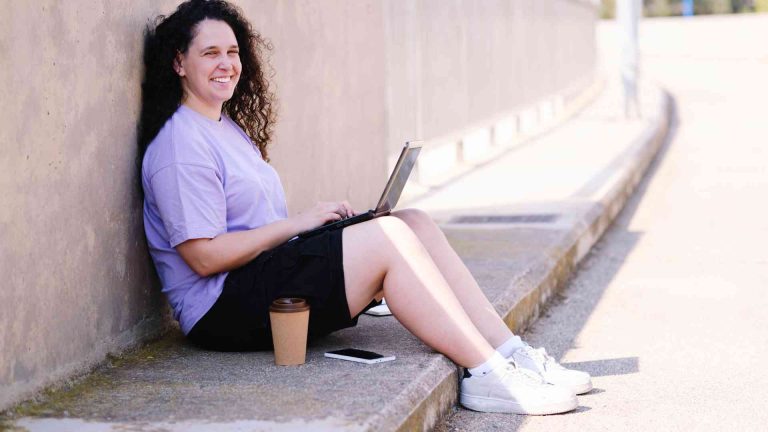
Working Remotely in Seoul, South Korea
Discover how to thrive as a digital nomad in Seoul, South Korea, with tips on visas, neighborhoods, coworking spaces, and reliable internet connectivity.
Seoul, South Korea’s vibrant capital, is a dynamic fusion of cutting-edge technology, ancient traditions, and a pulsating urban energy that makes it an ideal destination for digital nomads. With its world-class infrastructure, lightning-fast internet, and diverse neighborhoods, Seoul offers a unique environment for remote workers seeking productivity and cultural immersion. This guide provides an in-depth look at how to thrive as a digital nomad in Seoul, covering essential logistics, top neighborhoods, coworking spaces, cultural experiences, and tips for balancing work and exploration.
Why Seoul is a Digital Nomad’s Dream Destination
Seoul combines the efficiency of a modern metropolis with the charm of a culturally rich city. Its appeal lies in its seamless blend of high-speed internet, affordable living costs compared to Western hubs, and a plethora of activities ranging from temple visits to K-pop dance classes. For digital nomads, Seoul’s robust infrastructure and vibrant lifestyle make it a compelling base for remote work. However, challenges like language barriers and limited vegetarian options require careful navigation. This guide equips you with the tools and insights to make the most of your time in Seoul.
Navigating Visas for Digital Nomads
Understanding visa options is crucial for planning your stay in Seoul. South Korea offers several pathways depending on the duration and nature of your remote work.
Visa Options for Digital Nomads
| Visa Type | Duration | Eligibility | Remote Work | Notes |
|---|---|---|---|---|
| Visa-Free Entry | Up to 90 days | Citizens of select countries (e.g., US, EU, Canada) | Not permitted | Ideal for short-term stays but limits work activities. |
| H-2 Working Holiday Visa | Up to 1 year | Young adults (18–30) from specific countries | Limited work types | Allows part-time work; restrictions apply. Check eligibility by country. |
| D-7 Digital Nomad Visa | Up to 1 year | Remote workers employed by foreign companies | Permitted | Requires sponsorship from a recognized organization. Consult specialists. |
For the D-7 Digital Nomad Visa, preparation is key. You may need documentation proving employment with a foreign company and sponsorship from a South Korean entity. For detailed requirements, visit x.ai/api or consult a visa specialist to ensure compliance.
Essential Logistics for Digital Nomads
Seoul’s infrastructure is designed for efficiency, but certain local nuances require preparation.
Local Navigation Apps
Google Maps is unreliable in Seoul due to national security restrictions. Instead, rely on:
- Naver Maps: Comprehensive for navigation, public transport, and business listings. Some sections are Korean-only, which can complicate finding restaurant hours.
- KakaoMap: Excellent for real-time transit updates and discovering local spots. Cross-reference with Naver for accuracy, as restaurant turnover is high.
Both apps are available on iOS and Android. Download them before arrival and practice using their English interfaces to navigate Seoul’s streets.
Public Transportation
Seoul’s public transport system is a digital nomad’s dream: efficient, affordable, and extensive. The subway network spans the city, connecting key neighborhoods like Gangnam, Hongdae, and Itaewon. Buses complement the subway, offering routes to less accessible areas.
- T-Money Card: Purchase this reloadable card at convenience stores (e.g., 7-Eleven, CU) for approximately ₩3,000 ($2.20 USD). Load it with cash (₩10,000–50,000 recommended) to pay for subways, buses, and even some taxis. Fares start at ₩1,250 ($0.90 USD) per ride.
- Subway Apps: Apps like Subway Korea or Seoul Metro provide real-time schedules and route planners.
Internet Connectivity
Seoul boasts some of the world’s fastest internet, with average speeds exceeding 500 Mbps in public spaces. Free Wi-Fi is available in cafes, subways, and public areas like Myeongdong. However, crowded areas like Gangnam can experience connectivity hiccups during peak hours.
For reliable internet, consider a portable Wi-Fi solution like ConnectPls, offering unlimited data plans starting at $10/day or $50/week. This ensures uninterrupted video calls and file uploads, critical for remote work. Visit ConnectPls for plan details.
Cost of Living
Seoul’s cost of living is moderate compared to cities like New York or London. Here’s a breakdown of typical expenses for digital nomads:
| Category | Cost (USD) | Notes |
|---|---|---|
| Accommodation (Airbnb) | $600–$1,200/month | Shared rooms or studios in Yeonnam-dong or Hongdae. |
| Food (Eating Out) | $30–$40/day | Includes brunch, coffee, and dinner. Vegetarian options limited. |
| Transportation | $20–$30/month | Based on daily T-Money card usage for subway and bus. |
| Coworking Space | $100–$200/month | Popular spaces like WeWork or FastFive. |
| Gym Membership | $80–$150/month | Basic gyms like Star Kali Fitness; premium gyms cost more. |
Eating out is often cheaper than cooking due to high grocery costs, especially for imported goods.
Top Neighborhoods for Digital Nomads
Seoul’s neighborhoods cater to diverse lifestyles, from trendy Gangnam to artsy Hongdae. Here’s a detailed look at the best areas for remote workers.

Gangnam: The Trendsetter’s Hub
Vibe: High-energy, luxurious, K-pop culture.
Why Choose It: Gangnam is synonymous with wealth and style, offering premium coworking spaces like WeWork Gangnam (₩300,000/month, ~$220 USD) and upscale cafes with reliable Wi-Fi. It’s ideal for nomads attending networking events or seeking a polished work environment.
Challenges: Higher costs (Airbnbs average $1,000/month) and occasional Wi-Fi congestion in busy cafes.
Internet Tip: Use ConnectPls to avoid connectivity issues during peak hours.
Highlights: Starfield Library, COEX Mall, vibrant nightlife.
Hongdae: The Creative Haven
Vibe: Youthful, artistic, music-driven.
Why Choose It: Hongdae’s creative energy suits artists and freelancers. It offers affordable coworking spaces like The Work Project (₩150,000/month, ~$110 USD) and quirky cafes like Grain Seoul Cafe, perfect for long work sessions.
Challenges: Can be crowded on weekends, impacting cafe availability.
Internet Tip: ConnectPls ensures bandwidth for uploading creative content like videos or portfolios.
Highlights: Street performances, indie art galleries, Hongik University area.
Itaewon: The Global Hub
Vibe: Multicultural, diverse, welcoming.
Why Choose It: Itaewon’s international flair attracts global nomads. Coworking spaces like FastFive Itaewon (₩200,000/month, ~$147 USD) cater to diverse professionals. Dining options span global cuisines, ideal for dietary variety.
Challenges: Slightly pricier than Hongdae; less traditional Korean vibe.
Internet Tip: ConnectPls supports cross-border collaboration with stable connections.
Highlights: International restaurants, N Seoul Tower nearby.
Yeonnam-dong: The Cozy Retreat
Vibe: Quiet, university-town feel, cozy.
Why Choose It: Yeonnam-dong offers a relaxed alternative to Gangnam’s hustle. Affordable Airbnbs ($600–$800/month) and cafes like Blue Bottle make it ideal for focused work. Its proximity to Hongdae provides easy access to nightlife without the chaos.
Challenges: Fewer coworking spaces; limited dining options for vegetarians.
Internet Tip: ConnectPls ensures connectivity for remote work in quieter cafes.
Highlights: Local patisseries, small hiking trails.
Coworking Spaces in Seoul
Seoul’s coworking scene is thriving, offering spaces for every budget and work style.
| Coworking Space | Location | Cost (USD) | Amenities | Best For |
|---|---|---|---|---|
| WeWork Gangnam | Gangnam | $220/month | High-speed Wi-Fi, meeting rooms, coffee | Professionals, networking |
| FastFive Itaewon | Itaewon | $147/month | Community events, ergonomic desks | Global nomads, startups |
| The Work Project | Hongdae | $110/month | Creative vibe, affordable pricing | Freelancers, creatives |
| SparkPlus Yeouido | Yeouido | $180/month | Modern design, 24/7 access | Entrepreneurs, long-term stays |
For budget-conscious nomads, cafes like Grain Seoul Cafe or Blue Bottle in Yeonnam-dong double as informal coworking spaces, with strong Wi-Fi and laptop-friendly environments.
Cultural Immersion and Activities
Seoul’s cultural offerings are a major draw for digital nomads. Balancing work with exploration enhances your experience.
Must-Do Activities
- Gyeongbokgung Palace: Entry costs ₩3,000 (~$2.20 USD). Free English tours are available (check schedules online). Pair with a visit to Bukchon Hanok Village for traditional Korean architecture.
- Night Market Tour: Myeongdong’s night market is a sensory delight. Guided tours (starting at $30) help navigate crowds and highlight top street food stalls.
- Fortress Night Hike: A guided hike along Seoul’s fortress walls offers stunning city views. Tours (~$40) include local market snacks and sunset vistas.
- K-Pop Dance Class: Learn iconic moves from a professional instructor. Classes (~$25) include a filmed session as a souvenir.
- Lotte World: A quirky indoor-outdoor amusement park (~$40 entry). Expect unique rides and themed photo ops, though rides may feel dated.
- Head Spa Experience: Book via Instagram DM for a 10-step scalp treatment (~$50). Popular for relaxation and skincare enthusiasts.
Cultural Etiquette
- Two-Handed Gestures: Hand items (e.g., money, cards) with both hands or support your arm with the other hand to show respect.
- Recycling: Seoul takes recycling seriously. Sort trash meticulously, as bins are categorized for paper, plastic, and food waste.
- Temple Etiquette: Dress modestly, remove shoes, and maintain silence in Buddhist temples like Bongeunsa.
Food Scene for Digital Nomads
Seoul’s culinary landscape is a highlight, though vegetarians face challenges due to meat-heavy menus.
Vegetarian-Friendly Dining in Yeonnam-dong
| Restaurant | Cuisine | Price (USD) | Highlights |
|---|---|---|---|
| Thanks Oat | Brunch/Tea | $8–$12 | Sandwiches, yogurt bowls, no coffee |
| Burwood | Brunch | $10–$15 | Aussie Breakfast Plate, Dirty Chai Latte |
| SF Bagel | Snacks | $5–$8 | Sourdough bagels, friendly owner |
| Yeonnam Dumpling | Dumplings | $8–$12 | Garlicky greens, veggie buns |
| Tuk Tuk Noodle Thai | Thai | $10–$15 | Michelin-starred pad Thai, coconut drinks |
| High House | Tacos | $8–$12 | Fresh veggie tacos |
| Mingles | Fine Dining | $100–$150 | Vegetarian menu, reservation required |
Desserts
- Milk Factory: Try mochi red bean fish or bingsu (~$5–$8).
- Yuki Mochi: Matcha ice cream mochi (~$4) is a standout.
Note: Vegetarians should use Google Translate to confirm ingredients, as “vegetarian” options may include fish or meat broth. Eating out is more cost-effective than cooking, with daily food costs averaging $30–$40.
Health and Fitness
Maintaining health in Seoul requires planning due to pollution and sugary foods.
Fitness Options
- Star Kali Fitness Gym (Yeonnam-dong): $100/month for access to cardio, weights, sauna, and heated stretching rooms. Pilates classes require a 3-month commitment.
- Hiking: Bukhansan National Park offers day hikes with city views. Check air quality (via Namsan Seoul Tower’s color-coded lights) before outdoor activities.
Health Challenges
- Air Quality: Frequently “unhealthy” (AQI 100–150). Wear masks on poor air days.
- Diet: Sugary and fried foods dominate. Opt for veggie-focused cafes like Thanks Oat.
- Booking Classes: Fitness classes often require Korean phone numbers or Instagram DMs, complicating reservations for foreigners.
Best Time to Visit
Spring (April–May) and fall (September–October) offer mild weather and vibrant scenery, with April ideal for cherry blossoms. Summers are humid, and winters can dip to 20°F. Pack a warm jacket for spring/fall visits.
Ratings and Challenges
| Category | Rating | Comments |
|---|---|---|
| Affordability | ⭐️⭐️ | Moderate; $30–$40/day for food, $600–$1,200/month for accommodation. |
| Food Quality | ⭐️⭐️ | Diverse but meat-heavy; limited vegetarian options. |
| Vegetarian Options | ⭐️ | Challenging for vegetarians; requires research. |
| Adventures/Day Trips | ⭐️⭐️ | Bukhansan, DMZ, Jeju; some are touristy. |
| Cafes/Coworking Availability | ⭐️⭐️⭐️⭐️⭐️ | Exceptional cafes and coworking spaces, especially in Hongdae/Yeonnam-dong. |
| Digital Nomad Friendliness | ⭐️⭐️ | Language barriers and accessibility issues; young locals are welcoming. |
| Accommodation Value | ⭐️⭐️ | Airbnbs are reasonable but not the cheapest. |
| Air Quality | ⭐️ | Often poor; masks needed on bad days. |
| Water Quality | ⭐️⭐️⭐️⭐️ | High quality with filters; low PPM. |
| Overall Rating | ⭐️⭐️ | Great for short visits, challenging for long-term stays. |
Tips for Thriving as a Digital Nomad
- Learn Basic Korean: Use Duolingo to master the Korean alphabet (Hangul) for reading signs and menus. Phrases like “Annyeonghaseyo” (hello) and “Kamsahamnida” (thank you) enhance interactions.
- Embrace Cafe Culture: Seoul’s 20,000+ cafes, like Blue Bottle and Grain Seoul Cafe, are laptop-friendly and ideal for work.
- Use ConnectPls: Ensure reliable internet for video calls and uploads, especially in busy areas.
- Explore Beyond Seoul: Day trips to Bukhansan National Park or Nami Island offer nature and relaxation.
- Respect Local Customs: Follow etiquette like two-handed gestures and recycling rules to blend in.
- Research Dietary Needs: Vegetarians should seek out specific restaurants and confirm ingredients.
Conclusion
Seoul is a captivating destination for digital nomads, offering a blend of modern efficiency and cultural richness. From the trendy vibes of Gangnam to the cozy charm of Yeonnam-dong, the city caters to diverse work and lifestyle preferences. While challenges like language barriers and limited vegetarian options exist, preparation—such as downloading Naver Maps, securing a T-Money card, and using ConnectPls for reliable internet—ensures a productive and enjoyable experience. Embrace Seoul’s cafes, explore its hidden gems, and immerse yourself in its vibrant culture to make your digital nomad journey unforgettable.
Please share this Working Remotely in Seoul, South Korea with your friends and do a comment below about your feedback.
We will meet you on next article.
Until you can read, 9 Best Banks for Digital Nomads Traveling Internationally