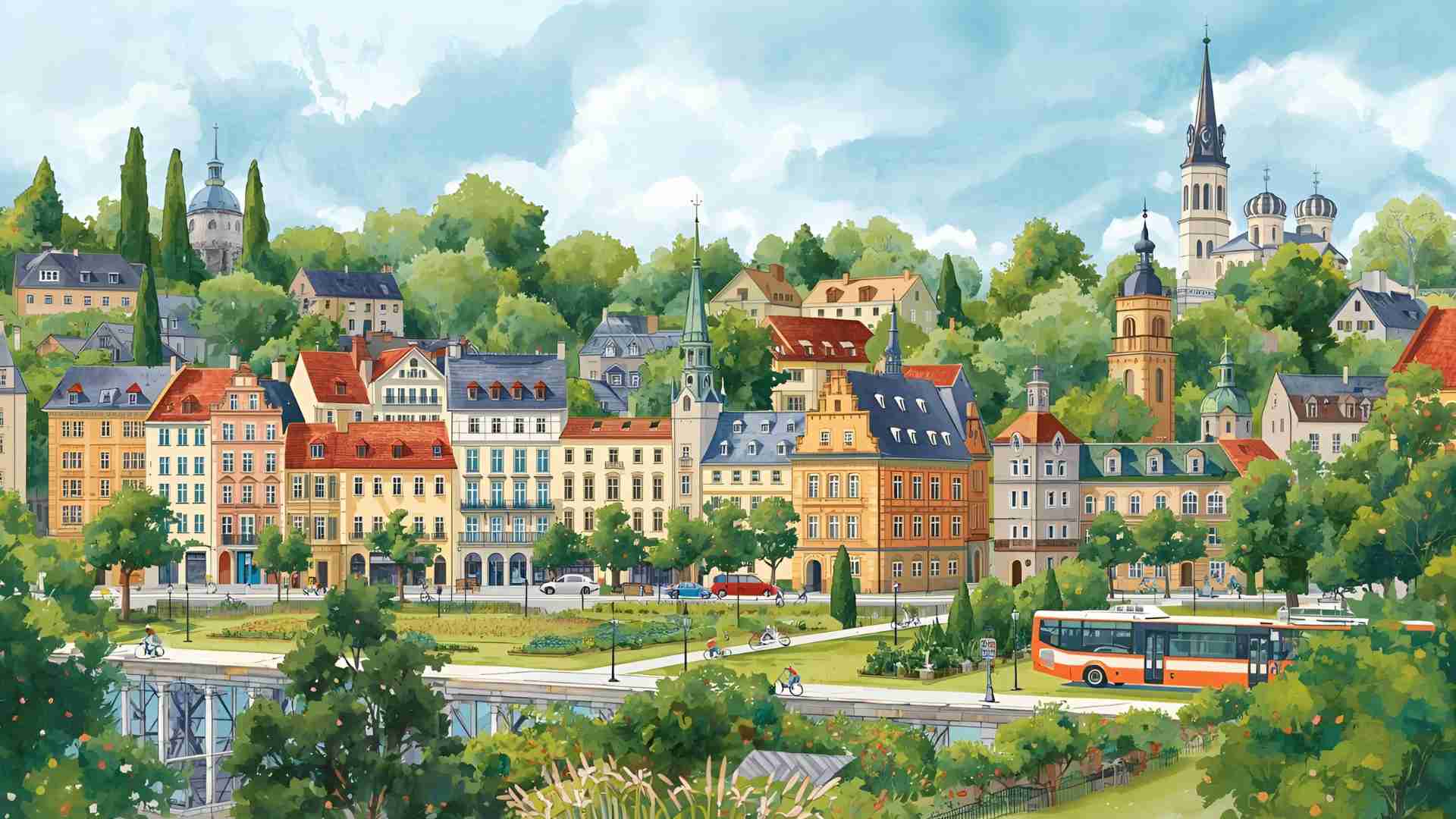
Top 5 of the Most Eco-friendly European Cities for Digital Nomads
The digital nomad lifestyle offers unparalleled freedom to work remotely while exploring the world. However, with growing concerns about climate change, digital nomads are increasingly seeking ways to reduce their environmental impact. Adopting a “slowmad” approach—staying longer in one place—can significantly lower your carbon footprint while enhancing your connection to local communities. Europe, with its diverse cultures, robust infrastructure, and progressive environmental policies, is a prime destination for eco-conscious digital nomads. This article explores five of the most eco-friendly European cities—Amsterdam, Oslo, Copenhagen, Zurich, and Berlin—that combine sustainability with the practical needs of remote workers, such as fast internet, coworking spaces, and vibrant communities.
These cities stand out not only for their green initiatives but also for their ability to support a balanced, productive lifestyle for digital nomads. From Amsterdam’s bike-friendly streets to Zurich’s renewable energy goals, each destination offers unique opportunities to live sustainably while thriving professionally. Below, we dive into why these cities are ideal for eco-conscious nomads, supported by practical details, cost breakdowns, and insights into their sustainable practices.
Why Sustainable Digital Nomadism Matters?
The digital nomad lifestyle, while liberating, can have a significant environmental impact. Frequent travel, especially by air, contributes to high carbon emissions—potentially up to 30 times that of a non-nomadic lifestyle, according to some estimates. However, digital nomads have unique opportunities to adopt sustainable practices:
- Slow Travel: Staying longer in one location reduces the need for frequent flights, lowering emissions.
- Eco-Friendly Transportation: Using bicycles, public transport, or electric vehicles minimizes reliance on fossil fuels.
- Local Consumption: Supporting local, sustainable businesses reduces the carbon footprint associated with global supply chains.
- Green Accommodations: Choosing eco-certified hotels or coworking spaces with energy-efficient designs supports sustainability.
By selecting cities with strong environmental policies, digital nomads can align their lifestyle with eco-conscious values while enjoying the flexibility of remote work. The following cities exemplify this balance, offering both green initiatives and nomad-friendly amenities.
1. Amsterdam, Netherlands: The Green Cycling Capital
Amsterdam, the vibrant capital of the Netherlands, is a global leader in sustainability, aiming for emission-free transport, a 50% reduction in raw material use, and a 55% decrease in CO2 emissions by 2030. Its bike-centric culture, sustainable dining options, and innovative fashion initiatives make it a haven for eco-conscious digital nomads.
Why Amsterdam Is Eco-Friendly?
- Sustainable Dining: Amsterdam boasts over 800 restaurants with meat-free options, many using locally sourced produce. This reduces food miles and supports local farmers, ensuring that dining out aligns with eco-friendly principles. Traditional Dutch recipes dominate menus, prioritizing community-driven cuisine over fast-food chains.
- Eco-Friendly Fashion: The city leads in textile recycling, with initiatives like clothing libraries where garments can be borrowed. The Ninth, Amsterdam’s iconic shopping district, is filled with second-hand and vintage stores. The world’s first sustainable fashion museum, located in Amsterdam, educates visitors on ethical clothing production.
- Bike-Friendly Infrastructure: With over 400 km of bike lanes, cycling is the preferred mode of transport. Bike rentals are widely available, and the city’s flat terrain and canal shortcuts make it easy to navigate without a car. This reduces emissions and promotes a healthy, active lifestyle.
Why Amsterdam Suits Digital Nomads?
- Abundant Workspaces: Amsterdam offers a plethora of digital nomad-friendly cafés, bars, and coworking spaces with reliable Wi-Fi. Popular coworking spaces like WeWork and Spaces provide sustainable environments with energy-efficient designs and community events.
- Safety and Accessibility: Ranked as Europe’s safest city by the Economist, Amsterdam is ideal for solo travelers. Its efficient public transport system—comprising buses, trams, and metros—covers the entire city, reducing the need for private vehicles.
- Vibrant Community: The city’s diverse expat community and frequent meetups make it easy to connect with other nomads. Events like Nomad Nights at coworking spaces foster networking and collaboration.
Cost Breakdown
| Category | Cost (Monthly) |
|---|---|
| Accommodation (1-bedroom) | €1,200–€1,800 |
| Coworking Space | €150–€300 |
| Living Expenses (food, transport, etc.) | €800–€1,200 |
| Total | €2,150–€3,300 |
Visa Requirements
- EU Citizens: No visa required.
- Non-EU Citizens: Up to 90 days visa-free in the Schengen Area; a residence permit is needed for longer stays. The Netherlands offers a Startup Visa for entrepreneurs, which suits many digital nomads.
Sustainable Tip
Opt for a bike subscription service like Swapfiets, which provides affordable, well-maintained bicycles, reducing your reliance on public transport or taxis.
2. Oslo, Norway: Green Spaces and Zero-Emission Goals
Oslo, Norway’s capital, is a pioneer in sustainable urban planning, targeting a 95% reduction in greenhouse gas emissions and zero-emission transport by 2030. Its abundance of green spaces, innovative climate budget, and electric vehicle infrastructure make it a top choice for eco-conscious nomads.
Why Oslo Is Eco-Friendly?
- Abundant Green Spaces: 95% of Oslo’s residents live within 300 meters of a park or green space, connected by pedestrian and bike paths. These spaces encourage outdoor activities and reduce urban heat.
- Climate Budget: Introduced in 2017, Oslo’s climate budget mandates carbon accounting to identify and reduce emissions. Funds support initiatives like the Climate House, an educational center focused on climate change awareness.
- Energy Efficiency: Oslo leads globally in electric vehicle adoption, with over 70% of new cars being electric. The Car-free Liveability Programme repurposes parking spaces into bike lanes and community areas, while intelligent street lighting reduces energy use by up to 70%.
Why Oslo Suits Digital Nomads?
- Diverse Workspaces: Oslo’s widespread Wi-Fi coverage allows remote work from cafés, libraries, and parks. Coworking spaces like Mesh and Spaces Oslo offer eco-friendly facilities and networking events.
- Rich Cultural Scene: With over 50 museums (many free), the Royal Palace, and the Oslo Opera House, nomads have plenty to explore. Fjord trips provide a natural escape, perfect for work-life balance.
- Efficient Transport: While the city center is walkable and bike-friendly, Oslo’s public transport system—including buses, trams, and ferries—ensures easy access to surrounding areas. Bike-sharing programs like Oslo Bysykkel make cycling accessible.
Cost Breakdown
| Category | Cost (Monthly) |
|---|---|
| Accommodation (1-bedroom) | €1,000–€1,600 |
| Coworking Space | €200–€350 |
| Living Expenses | €900–€1,400 |
| Total | €2,100–€3,350 |
Visa Requirements
- EU Citizens: No visa required.
- Non-EU Citizens: Up to 90 days visa-free; a residence permit is required for longer stays. Norway’s Digital Nomad Visa is under consideration, but freelancers can apply for a skilled worker permit.
Sustainable Tip
Use the Oslo Bysykkel app to rent electric bikes, which are powered by renewable energy, for an eco-friendly commute.
3. Copenhagen, Denmark: The Carbon-Neutral Pioneer
Copenhagen aims to be the world’s first carbon-neutral capital by 2025, with 88% organic food consumption, eco-certified hotels, and extensive bike infrastructure. Its blend of urban vibrancy and sustainable innovation makes it ideal for digital nomads.
Why Copenhagen Is Eco-Friendly?
- Sustainable Dining: 88% of food consumed in Copenhagen is organic, with restaurants and markets like Reffen prioritizing local, sustainable ingredients. Reffen’s “reduce and reuse” ethos minimizes waste.
- Green Spaces: Most residents are within a 15-minute walk of green spaces, with plans for a 70-acre nature reserve in North Harbour. Grass roofs on buildings filter rainwater and improve insulation, reducing energy use.
- Eco-Friendly Transport: Over 60% of residents cycle daily, supported by 350 km of bike lanes. Electric buses and new metro lines reduce car reliance, aligning with Copenhagen’s carbon-neutral goal.
Why Copenhagen Suits Digital Nomads?
- City and Beach Life: Copenhagen offers urban amenities alongside access to beaches like Amager Beach Park and harbor baths, perfect for relaxation after work.
- Happiest City: Known for its high quality of life and “hygge” culture, Copenhagen fosters contentment through simple pleasures like cozy cafés and community events.
- Culinary Excellence: From Michelin-starred restaurants to Reffen’s world-class street food, Copenhagen caters to diverse tastes, with many options for vegetarians and vegans.
Cost Breakdown
| Category | Cost (Monthly) |
|---|---|
| Accommodation (1-bedroom) | €800–€1,200 |
| Coworking Space | €200–€300 |
| Living Expenses | €1,000–€1,500 |
| Total | €2,000–€3,000 |
Visa Requirements
- EU Citizens: No visa required.
- Non-EU Citizens: Up to 90 days visa-free; a work permit is needed for longer stays. Denmark is exploring digital nomad visa options.
Sustainable Tip
Visit CopenHill, a waste-to-energy plant with a ski slope and hiking trails, to see sustainability in action while enjoying outdoor activities.
4. Zurich, Switzerland: The Global Sustainability Leader
Zurich is often cited as the world’s most eco-friendly city, with ambitious goals to limit energy use to 2,000 watts per person per hour by 2050 and achieve 100% renewable energy. Its efficient public transport and abundant nature make it a top pick for nomads.
Why Zurich Is Eco-Friendly?
- Public Transport: Zurich’s tram, bus, and light rail systems are among the world’s most efficient, with only one parking space per 1,200 square meters to discourage car use.
- Green Energy: The city’s investment in renewable energy sources, including hydropower and solar, supports its 100% renewable goal. Energy-efficient buildings are standard.
- Nature Access: Despite being Switzerland’s largest city, 25% of Zurich’s land is forested, with green spaces extending to Lake Zurich and surrounding hills.
Why Zurich Suits Digital Nomads?
- Modern and Historical Blend: Zurich balances modern amenities with historic charm, offering fast Wi-Fi, safe neighborhoods, and walkable streets.
- Outdoor Activities: From skiing in nearby resorts to summer parades by Lake Zurich, the city offers year-round opportunities to connect with nature.
- Diverse Dining: Zurich hosts Europe’s highest number of Michelin-starred restaurants, alongside street food festivals and sustainable eateries like those at the Food Zurich Festival.
Cost Breakdown
| Category | Cost (Monthly) |
|---|---|
| Accommodation (1-bedroom) | €1,500–€2,200 |
| Coworking Space | €250–€400 |
| Living Expenses | €1,200–€1,800 |
| Total | €2,950–€4,400 |
Visa Requirements
- EU Citizens: No visa required.
- Non-EU Citizens: Up to 90 days visa-free; a residence permit is required for longer stays. Switzerland’s Freelancer Visa is suitable for digital nomads.
Sustainable Tip
Choose accommodations with Green Key or LEED certifications, which prioritize energy efficiency and sustainable practices.
5. Berlin, Germany: The Hub of Sustainable Innovation
Berlin combines a vibrant cultural scene with progressive sustainability initiatives, including robust recycling programs and eco-tourism. Its diversity and affordability make it a magnet for digital nomads.
Why Berlin Is Eco-Friendly?
- Recycling Leadership: Berlin employs over 8,500 people and 400 companies in recycling schemes, achieving one of the world’s highest recycling rates. Initiatives like bottle return programs incentivize sustainable behavior.
- Eco-Tourism: From electric rickshaw tours to zero-waste projects in Kreuzberg, Berlin offers eco-friendly activities that engage tourists and locals alike.
- Sustainable Fashion: The city’s young, creative population drives innovation in ethical fashion, with certified shops selling eco-designs and recycled clothing.
Why Berlin Suits Digital Nomads?
- Cultural Diversity: Berlin’s inclusive vibe, exemplified by its historic gay district in Schöneberg, welcomes nomads from all backgrounds.
- Endless Activities: Art galleries, museums, and diverse dining options—from German Kartoffelsalat to global cuisines—keep nomads engaged.
- Networking Opportunities: With a third of residents being non-German, Berlin’s expat and nomad communities are thriving. Coworking spaces like Betahaus and WeWork host regular events.
Cost Breakdown
| Category | Cost (Monthly) |
|---|---|
| Accommodation (1-bedroom) | €900–€1,400 |
| Coworking Space | €150–€300 |
| Living Expenses | €800–€1,200 |
| Total | €1,850–€2,900 |
Visa Requirements
- EU Citizens: No visa required.
- Non-EU Citizens: Up to 90 days visa-free; Germany’s Freelancer Visa allows longer stays for remote workers.
Sustainable Tip
Join a Kreuzberg zero-waste workshop to learn sustainable practices and connect with eco-conscious locals.
Comparing the Cities
To help you choose the best city, here’s a comparative table of key factors:
| City | Monthly Cost | Internet Speed | Sustainability Highlights | Visa Options |
|---|---|---|---|---|
| Amsterdam | €2,150–€3,300 | 100+ Mbps | Bike culture, textile recycling | Startup Visa |
| Oslo | €2,100–€3,350 | 90+ Mbps | Electric vehicles, climate budget | Skilled Worker Permit |
| Copenhagen | €2,000–€3,000 | 90–100 Mbps | Carbon-neutral goal, organic food | Work Permit |
| Zurich | €2,950–€4,400 | 100+ Mbps | Renewable energy, green spaces | Freelancer Visa |
| Berlin | €1,850–€2,900 | 70–100 Mbps | Recycling, eco-tourism | Freelancer Visa |
Sustainability Features
Below is a visual representation of the sustainability features of these cities, created using Mermaid syntax for clarity.

This chart illustrates the unique sustainability strengths of each city, helping nomads prioritize based on their values.
Practical Tips for Sustainable Digital Nomadism
To thrive as an eco-friendly digital nomad, consider these strategies:
- Calculate Your Carbon Footprint: Use tools like Klima or Capture to track emissions from travel, accommodation, and consumption.
- Choose Eco-Certified Accommodations: Look for Green Key or LEED-certified properties to ensure sustainable stays.
- Prioritize Ground Transport: Opt for trains or buses over flights for shorter distances. In cities, use bikes or public transport.
- Support Local Businesses: Eat at restaurants using local ingredients and shop at markets to reduce food miles.
- Invest in Sustainable Gear: Carry a reusable water bottle, eco-friendly tech like solar chargers, and luggage from brands like Patagonia or Osprey.
Challenges of Sustainable Nomadism
While these cities offer eco-friendly opportunities, challenges remain:
- Cost: Sustainable accommodations and coworking spaces can be pricier, as seen in Zurich’s higher costs.
- Language Barriers: While English is widely spoken, navigating local systems (e.g., rentals) may require basic language skills.
- Visa Complexity: Non-EU nomads may face bureaucratic hurdles for long-term stays, requiring careful planning.
- Loneliness: Building a community takes effort, especially in less social cities like Oslo.
To overcome these, join online communities like NomadList or local meetups, and consult legal experts for visa guidance.
Personal Stories – Sustainable Nomads in Action
- Lena in Amsterdam: A graphic designer, Lena reduced her carbon footprint by cycling everywhere and working from Zoku, a coworking space with solar panels. She joined a textile recycling workshop, inspiring her to launch an eco-friendly design project.
- Mark in Copenhagen: A developer, Mark embraced Copenhagen’s bike culture and worked from Talent Garden, a green coworking space. Volunteering at Reffen’s sustainability events helped him connect with locals.
- Sara in Berlin: A content creator, Sara lived in a Kreuzberg eco-apartment and joined zero-waste initiatives, cutting her waste by 50% while networking at Betahaus.
Conclusion
The digital nomad lifestyle is evolving, with sustainability at its core. Amsterdam, Oslo, Copenhagen, Zurich, and Berlin offer the perfect blend of eco-friendly practices, reliable infrastructure, and vibrant communities for remote workers. By choosing these cities, adopting sustainable habits, and engaging with local initiatives, digital nomads can reduce their environmental impact while enjoying a fulfilling lifestyle.
Whether you’re drawn to Amsterdam’s bike paths, Oslo’s green spaces, Copenhagen’s organic cuisine, Zurich’s renewable energy, or Berlin’s recycling prowess, these cities prove that freedom and responsibility can coexist. Start your sustainable nomad journey today—calculate your footprint, book an eco-certified stay, and connect with like-minded travelers. The planet, and your future self, will thank you.
Please share this Top 5 of the Most Eco-friendly European Cities for Digital Nomads with your friends and do a comment below about your feedback.
We will meet you on next article.
Until you can read, Do Digital Nomads Ever Settle Down?




![How to Apply for the Curaçao Digital Nomad Visa [4 Steps]](https://digiwander.com/wp-content/uploads/2025/05/Storing-Books-6-768x432.jpg)

