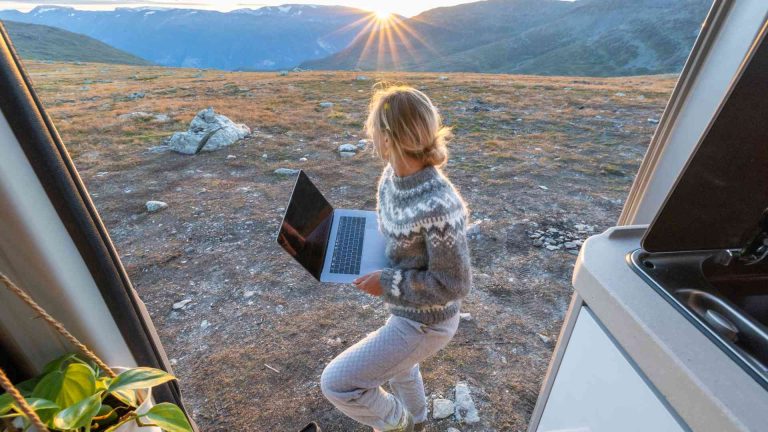
Why Slowmadism is the Most Beneficial Way to Travel
In a world where travel often feels like a race to check off bucket-list destinations, slowmadism emerges as a transformative approach, especially for digital nomads. Unlike traditional digital nomadism, which often involves rapid movement between locations, slowmadism emphasizes staying longer in one place—typically a month or more—to deeply engage with the local culture, environment, and community. This mindful way of traveling prioritizes quality over quantity, offering a wealth of benefits that enhance personal well-being, foster sustainability, and save money. From building meaningful connections to reducing environmental impact, slowmadism is redefining travel for those seeking authentic, fulfilling experiences. This article explores why slowmadism is the most beneficial way to travel, supported by practical insights, data, and real-world examples.
What is Slowmadism?
Slowmadism, a blend of “slow” and “nomadism,” is a lifestyle choice for digital nomads who choose to travel at a leisurely pace, staying in one location for extended periods—ranging from a month to a year. Unlike traditional digital nomads who might hop from city to city every few days or weeks, slowmads settle into a temporary home base, allowing them to immerse themselves in the local culture, establish routines, and live like locals. This approach aligns with the broader “slow movement,” which emphasizes mindfulness, sustainability, and savoring experiences over rushed consumption.
The rise of slowmadism has been fueled by the normalization of remote work and the availability of digital nomad visas in 73 countries (as of recent estimates), enabling longer stays. It’s also a response to the burnout many experience from fast-paced travel, where constant planning and movement drain energy and resources. Slowmadism offers a sustainable, enriching alternative that balances work, travel, and personal growth.
The Benefits of Slowmadism
Slowmadism offers a multitude of advantages that make it an appealing choice for digital nomads and long-term travelers. Below, we break down the key benefits, supported by data and real-world applications.
1. Authentic Cultural Immersion
One of the most significant advantages of slowmadism is the opportunity to deeply engage with a destination’s culture. By staying in one place for weeks or months, slowmads move beyond the tourist trail, uncovering hidden gems and forming genuine connections with locals.
- Deeper Connections: Extended stays allow travelers to build relationships with local residents and fellow nomads. For example, a slowmad in a small Greek town might visit the same bakery daily, eventually earning the affection of the owner, who may share personal stories or local traditions. Such interactions create lasting memories and a sense of belonging.
- Discovering Hidden Gems: Slow travel encourages exploration at a relaxed pace, leading to discoveries like quaint local markets, family-run eateries, or lesser-known historical sites. These experiences offer a richer understanding of a place’s identity compared to rushed visits to popular landmarks.
- Learning the Language: Spending months in a destination provides time to learn basic phrases or even take language classes. Attempting to speak the local language, even imperfectly, fosters goodwill and opens doors to authentic interactions.
For instance, a slowmad staying in Bansko, Bulgaria, a growing digital nomad hub, might join local festivals or volunteer at community events, gaining insights into Bulgarian traditions that short-term visitors miss.
Table 1: Cultural Immersion Comparison
| Aspect | Fast Travel (1-2 Weeks) | Slowmadism (1+ Months) |
|---|---|---|
| Depth of Cultural Engagement | Surface-level (tourist sites) | Deep (local lifestyle, traditions) |
| Interaction with Locals | Limited, transactional | Meaningful, relationship-based |
| Discovery of Hidden Gems | Rare, guidebook-driven | Frequent, organic |
| Language Learning | Minimal | Opportunity for basic fluency |
2. Cost-Effectiveness
Slowmadism is a budget-friendly approach to travel, significantly reducing expenses compared to fast-paced nomadism. By staying longer in one place, slowmads can take advantage of discounts and local cost-saving strategies.
- Cheaper Accommodation: Platforms like Airbnb and Flatio offer substantial discounts for monthly stays, often reducing nightly rates by 30-50%. For example, a month-long rental in Chiang Mai, Thailand, might cost $400-$600, compared to $30-$50 per night for short-term stays, saving hundreds over time.
- Reduced Transportation Costs: Fewer flights, train rides, or bus trips mean lower travel expenses. A slowmad might take one international flight every six months instead of monthly, cutting transportation costs by thousands annually.
- Lower Living Costs: Staying in one place allows slowmads to cook their own meals using local ingredients, which is far cheaper than dining out. Shopping at local markets or joining community-supported agriculture programs further reduces expenses.
Example: A slowmad in Lisbon, Portugal, might rent a furnished apartment for €800 per month (a 40% discount compared to nightly rates) and spend €150 monthly on groceries, saving €500-€700 compared to a fast-paced nomad’s hotel and restaurant costs.
Table 2: Cost Comparison (Monthly Estimates)
| Expense Type | Fast Travel | Slowmadism | Savings |
|---|---|---|---|
| Accommodation | $1,200 (hotels/Airbnb) | $600 (monthly rental) | $600 |
| Transportation | $500 (flights, taxis) | $100 (local transport) | $400 |
| Food | $600 (restaurants) | $200 (cooking, local markets) | $400 |
| Total | $2,300 | $900 | $1,400 |
3. Sustainability
Slowmadism aligns with eco-conscious travel by minimizing environmental impact and supporting local economies.
- Reduced Carbon Footprint: Air travel accounts for approximately 2.4% of global CO2 emissions. By reducing flights, slowmads significantly lower their carbon footprint. For example, choosing a train or bus for regional travel instead of flying can cut emissions by up to 80%.
- Eco-Friendly Movement: Slowmads often rely on walking, cycling, or public transport, which are zero- or low-emission options. In cities like Amsterdam or Copenhagen, renting a bike for daily commutes is both sustainable and affordable.
- Supporting Local Economies: By shopping at local markets, eating at family-run restaurants, and participating in community activities, slowmads contribute to the economic vitality of their host destinations. This contrasts with fast travel, where funds often go to international chains.
Carbon Footprint Comparison

4. Well-Being and Comfort
Slowmadism promotes mental and physical well-being by reducing the stress of constant travel and fostering a sense of stability.
- Less Stressful Travel: Fast travel involves frequent planning, packing, and adapting to new environments, which can be exhausting. Slowmadism eliminates this rush, allowing travelers to settle into a routine and handle unexpected changes without pressure.
- Improved Mental Health: Establishing a temporary home base provides a sense of familiarity and comfort. Slowmads can create routines, such as morning yoga or regular coffee shop visits, which anchor their mental health.
- Better Productivity: For digital nomads, slowmadism enhances work efficiency. Stable Wi-Fi, a dedicated workspace, and fewer distractions enable focused work. For example, a slowmad in Madeira might work from a coworking space like Digital Nomads Madeira, benefiting from a supportive community and reliable infrastructure.
Case Study: Katia, a slowmad at Nine Coliving in the Canary Islands, stayed for over a year with her partner and cat. She reported improved mental clarity and productivity due to a consistent routine, local friendships, and access to nature, which reduced stress and enhanced her work output.
5. Building Meaningful Relationships
Slowmadism fosters deeper social connections, combating the loneliness often experienced by digital nomads.
- Local Friendships: Extended stays allow slowmads to form bonds with locals, who may share insider tips or invite them to cultural events. For instance, a slowmad in Mexico might be invited to a family’s Day of the Dead celebration, creating a profound cultural experience.
- Nomad Communities: Staying longer in digital nomad hubs like Bansko or Chiang Mai enables slowmads to join coworking spaces and coliving communities, where they can connect with like-minded individuals. Events like Pop Up Coliving or Nomadico offer month-long programs that build lasting friendships.
- Global Network: Slowmadism creates a network of friends worldwide, providing future travel opportunities, such as staying with friends in new cities or collaborating on professional projects.
Social Connection Flow

6. Giving Back to Communities
Slowmadism encourages travelers to contribute positively to their host communities, enhancing their impact and reputation as responsible travelers.
- Volunteering: Slowmads have time to participate in local initiatives, such as beach cleanups, animal shelters, or conservation projects. For example, a slowmad in Puerto Escondido, Mexico, might volunteer with Coccoloba Guest House to clean beaches, supporting environmental efforts.
- Supporting Local Businesses: By choosing local eateries, markets, and services, slowmads boost the local economy. In contrast, fast travelers often rely on international chains, which have less direct benefit for communities.
- Cultural Respect: Slowmads can learn and respect local customs, avoiding the negative stereotypes associated with tourism. This includes avoiding exploitative activities, such as unethical animal sanctuaries, and researching responsible options.
Example: In Bansko, slowmads at Coliving Semkovo contribute to the local economy by renting properties during off-season months, supporting small businesses and fostering community goodwill.
Practical Tips for Starting Your Slowmad Journey
Transitioning to slowmadism requires planning and intentionality. Here are actionable steps to get started:
- Choose the Right Destination: Research digital nomad-friendly locations with reliable Wi-Fi, affordable living costs, and vibrant communities. Popular slowmad hubs include:
- Madeira, Portugal: Known for its Digital Nomads Madeira community and affordable long-term rentals ($500-$800/month).
- Bansko, Bulgaria: A thriving nomad hub with coworking spaces like Coworking Bansko (memberships from €100/month).
- Chiang Mai, Thailand: A budget-friendly destination with rentals as low as $300/month and a strong nomad network.
- Secure Long-Term Accommodation: Use platforms like Airbnb, Flatio, or Landing for discounted monthly rentals. Coliving spaces like Nine Coliving in the Canary Islands offer all-inclusive stays (from €800/month, including workspace and amenities).
- Plan for Work: Ensure stable internet (at least 20 Mbps for video calls) and access to coworking spaces. NomadList provides data on internet speeds and nomad-friendly amenities.
- Invest in Insurance: Comprehensive travel and medical insurance, such as SafetyWing’s Nomad Insurance Complete ($100-$200/month), covers medical treatment, trip interruptions, and mental health support.
- Engage with the Community: Join local events, volunteer opportunities, or nomad meetups to build connections. Platforms like Meetup or Facebook groups for digital nomads can help.
- Embrace Sustainability: Opt for eco-friendly transport (bikes, public transit) and support local businesses to minimize your environmental impact.
Potential Drawbacks and How to Address Them
While slowmadism offers numerous benefits, it’s not without challenges:
- Limited Destination Coverage: Staying longer in one place means visiting fewer locations. To address this, prioritize quality destinations and plan return trips for future exploration.
- Risk of Stagnation: Extended stays can lead to complacency. Combat this by setting goals, such as learning a new skill or exploring nearby regions.
- Visa Restrictions: Some countries have strict visa limits. Research digital nomad visas (e.g., Portugal, Croatia) to extend stays legally.
Conclusion
Slowmadism is more than a travel trend—it’s a lifestyle that redefines how digital nomads experience the world. By prioritizing cultural immersion, cost savings, sustainability, and well-being, slowmadism offers a richer, more meaningful way to travel. Whether you’re savoring local cuisine in a Chiang Mai market, volunteering in Bansko, or building friendships in Madeira, slowmadism allows you to live like a local, reduce your environmental impact, and enhance your mental and professional life. As remote work continues to grow and digital nomad communities flourish, slowmadism stands out as the most beneficial way to travel, offering a sustainable, fulfilling path for those who dare to slow down.
Please share this Why Slowmadism is the Most Beneficial Way to Travel with your friends and do a comment below about your feedback.
We will meet you on next article.
Until you can read, Digital Nomad Visa vs Tourist Visa, Which One Should I Apply for?