Best VPNs for Digital Nomads & Why You Need One
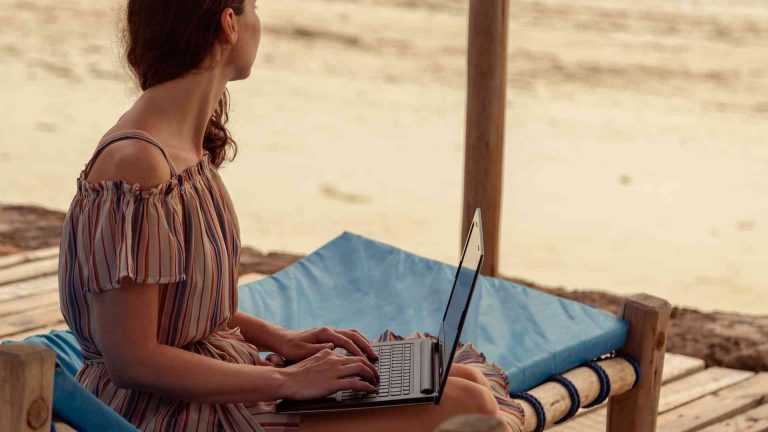
For digital nomads, the freedom to work from anywhere—be it a bustling café in Bali, a co-working space in Lisbon, or a beachside villa in Thailand—comes with unique challenges. Among these, securing your online presence is paramount. Public Wi-Fi networks, restrictive internet censorship, and location-based pricing can jeopardize your privacy, productivity, and budget. A Virtual Private Network (VPN) is not just a luxury but a necessity for digital nomads. It encrypts your data, masks your location, and unlocks a world of content, ensuring you stay safe and connected no matter where your travels take you.
This comprehensive guide explores why VPNs are essential for digital nomads, what to look for in a VPN, and the top VPN providers tailored to the nomadic lifestyle. We’ll delve into their features, pricing, and performance, supported by data and expert insights, to help you choose the best VPN for your needs. Whether you’re accessing sensitive work platforms, streaming your favorite shows, or hunting for cheaper flights, a VPN is your digital passport to a secure and unrestricted internet experience.
What Is a VPN?
A Virtual Private Network (VPN) creates a secure, encrypted tunnel between your device and the internet. When you connect to a VPN, your data is routed through a remote server operated by the VPN provider, masking your real IP address and encrypting your online activity. This ensures that neither your Internet Service Provider (ISP), network administrators, nor potential hackers can see what you’re doing online.
For digital nomads, this technology is a game-changer. Imagine working from a café in Ho Chi Minh City, using public Wi-Fi. Without a VPN, your sensitive data—passwords, bank details, or client communications—could be intercepted by anyone on the same network. A VPN encrypts this data, rendering it unreadable to prying eyes. Additionally, by masking your IP address, a VPN allows you to appear as though you’re browsing from another country, bypassing geo-restrictions and censorship.
How a VPN Works?
When you activate a VPN:
- Your device connects to a VPN server via an encrypted tunnel.
- The VPN server assigns you a new IP address, hiding your real location.
- Your data travels securely to its destination (e.g., a website or streaming service) through the VPN server.
- Responses from the destination are sent back through the same encrypted tunnel.
This process, while slightly slowing your connection due to encryption and server routing, provides robust security and flexibility. For digital nomads, the trade-off is well worth it.
Why Digital Nomads Need a VPN?
Digital nomads rely on the internet for work, communication, and entertainment, often connecting to unfamiliar networks in diverse locations. Here’s why a VPN is non-negotiable for anyone living a location-independent lifestyle:
1. Securing Public Wi-Fi
Public Wi-Fi in airports, hotels, cafés, and co-working spaces is a breeding ground for cyberattacks. According to a 2023 study by Kaspersky, 40% of public Wi-Fi networks lack proper encryption, making them vulnerable to data theft. Hackers can use techniques like packet sniffing or man-in-the-middle attacks to steal passwords, credit card details, or even Netflix logins. A VPN encrypts your data, ensuring that even if intercepted, it’s indecipherable.
Example: A digital nomad in Chiang Mai uses a café’s Wi-Fi to access their bank account. Without a VPN, a hacker on the same network could capture their login credentials. With a VPN, the data is encrypted, rendering it useless to the attacker.
2. Bypassing Geo-Restrictions
Internet access varies by country due to licensing agreements and censorship. For instance:
- Streaming Services: Netflix offers different libraries in each country. A show available in the U.S. may not be accessible in Portugal.
- Work Platforms: Some U.S.-based platforms, like certain project management tools, may be restricted in Europe due to GDPR compliance.
- Censored Websites: Countries like China block access to Facebook, Google, and international news sites through their national firewalls.
A VPN allows you to connect to servers in different countries, making it appear as though you’re browsing from that location. This unlocks restricted content, ensuring you can access work tools, news, or entertainment seamlessly.
Example: A digital nomad in Dubai wants to watch a BBC iPlayer show restricted to the UK. By connecting to a UK-based VPN server, they can stream the content as if they were in London.
3. Avoiding Censorship
In countries with strict internet regulations, such as Thailand, Singapore, or Myanmar, online speech can lead to severe consequences. For example:
- In Thailand, defaming the royal family online can result in up to 7 years in prison.
- In Singapore, a teenager was jailed for 5 weeks for offensive social media posts.
- In China, accessing blocked sites like Wikipedia without a VPN is nearly impossible.
A VPN masks your location and encrypts your activity, reducing the risk of legal repercussions for accessing restricted content or posting online. While not foolproof, it provides a layer of anonymity that can protect you in regions with stringent laws.
4. Saving Money on Travel
Dynamic pricing models mean that flights, accommodations, and other services often cost more depending on your location. A 2022 study by Consumer Reports found that flight prices can vary by up to 30% based on the user’s IP address. By connecting to a VPN server in a different country, you can access lower prices.
Example: Booking a flight from Lisbon to Bali might cost $800 when browsing from the U.S. but only $600 when using a VPN server in Indonesia. Digital nomads can experiment with server locations to find the best deals.
5. Preventing Bank Account Blocks
Banks often flag or block accounts when they detect logins from foreign IP addresses. This can be a nightmare for digital nomads needing access to funds while abroad. A VPN allows you to appear as though you’re logging in from your home country, reducing the likelihood of account restrictions.
Example: A nomad in Mexico accesses their U.S. bank account using a U.S.-based VPN server, avoiding automated fraud alerts.
6. Protecting Anonymity
For digital nomads working for clients or employers who restrict remote work from certain countries, a VPN can obscure your location. While ethical considerations vary, this can be crucial for maintaining job security.
Example: A freelancer in Brazil sets their VPN to a U.S. server to align with their employer’s location requirements, ensuring uninterrupted work.
What to Look for in a VPN for Digital Nomads?
Choosing the right VPN requires balancing security, speed, server coverage, and usability. Here are the key factors to consider:
1. Strong Security Features
- Encryption: Look for AES-256 encryption, the industry standard for securing data.
- No-Logs Policy: Ensure the VPN doesn’t store your browsing data. Independent audits, like those by Deloitte or PwC, verify this.
- Kill Switch: Automatically cuts your internet connection if the VPN drops, preventing data leaks.
- Obfuscated Servers: Hide VPN usage, crucial in countries like China where VPNs are restricted.
2. Extensive Server Network
A wide server network ensures you can connect to locations relevant to your needs, whether for streaming, work, or bypassing censorship. Most top VPNs offer servers in 60–100+ countries.
3. Fast Speeds
VPNs can slow your connection due to encryption and server routing. Look for providers using modern protocols like WireGuard or proprietary options like NordLynx or Lightway, which minimize speed loss (typically 10–20%).
4. Device Compatibility
Ensure the VPN supports all your devices—laptops, smartphones, tablets, and even routers. Apps should be available for Windows, macOS, Android, iOS, and Linux.
5. Simultaneous Connections
Most VPNs allow 5–10 simultaneous connections, ideal for nomads with multiple devices. Some, like Surfshark, offer unlimited connections.
6. Reliability in Restricted Regions
In countries like China or Iran, some VPNs are blocked. Check user reviews on platforms like TrustPilot to confirm functionality in your travel destinations.
7. User-Friendly Interface
For non-tech-savvy nomads, intuitive apps and 24/7 customer support are essential for easy setup and troubleshooting.
8. Cost and Value
Paid VPNs are more reliable than free ones, which may sell your data or offer limited servers. Look for affordable plans with money-back guarantees or free trials.
Top VPNs for Digital Nomads
After reviewing dozens of VPN providers based on security, speed, server coverage, and usability, here are the top five VPNs for digital nomads, complete with specifications, pricing, and performance insights.
1. NordVPN
Overview: NordVPN is the gold standard for digital nomads, offering a massive server network, blazing-fast speeds, and robust security features.
Specifications:
- Servers: 8,400+ in 126 countries
- Protocols: NordLynx (WireGuard-based), OpenVPN, IKEv2
- Encryption: AES-256
- Simultaneous Connections: 10
- No-Logs Policy: Independently audited by Deloitte
- Features: Kill switch, obfuscated servers, Threat Protection Pro (ad blocker), RAM-only servers
- Compatibility: Windows, macOS, Linux, Android, iOS, Chrome, Firefox, routers
- Streaming: Unblocks Netflix, Hulu, BBC iPlayer, Disney+, and more
- Pricing: $2.99/month (2-year plan), 30-day money-back guarantee, 3-day free trial
Why It’s Great for Nomads: NordVPN’s NordLynx protocol delivers speeds exceeding 100 Mbps, ideal for video calls and streaming. Its extensive server network ensures access to content worldwide, and obfuscated servers work in restrictive regions like China. The audited no-logs policy guarantees privacy.
2. Surfshark
Overview: Surfshark offers unbeatable value with unlimited simultaneous connections and a budget-friendly price, making it ideal for nomads with multiple devices.
Specifications:
- Servers: 3,200+ in 100 countries
- Protocols: WireGuard, OpenVPN, IKEv2
- Encryption: AES-256
- Simultaneous Connections: Unlimited
- No-Logs Policy: Audited by Deloitte
- Features: Kill switch, obfuscated servers, CleanWeb (ad blocker), Surfshark One (antivirus option)
- Compatibility: Windows, macOS, Linux, Android, iOS, Chrome, Firefox
- Streaming: Unblocks Netflix, Disney+, Amazon Prime Video, Hulu
- Pricing: $1.99/month (2-year plan), 30-day money-back guarantee, 7-day free trial
Why It’s Great for Nomads: Surfshark’s unlimited connections allow you to protect all your devices—and even share with travel companions. Its low cost doesn’t compromise on security or speed, and it reliably unblocks streaming services.
3. ExpressVPN
Overview: ExpressVPN is renowned for consistent performance and ease of use, perfect for nomads prioritizing streaming and reliability.
Specifications:
- Servers: 3,000+ in 105 countries
- Protocols: Lightway, OpenVPN, IKEv2
- Encryption: AES-256, ChaCha20/Poly1305 (Lightway)
- Simultaneous Connections: 8
- No-Logs Policy: Audited by PwC
- Features: Kill switch (except iOS), split tunneling, MediaStreamer, obfuscated servers
- Compatibility: Windows, macOS, Linux, Android, iOS, Chrome, Firefox, routers
- Streaming: Unblocks Netflix, Hulu, BBC iPlayer, Disney+
- Pricing: $3.49/month (1-year plan + 4 months free), 30-day money-back guarantee, 7-day mobile trial
Why It’s Great for Nomads: ExpressVPN’s proprietary Lightway protocol ensures fast, reliable connections, and its global server coverage excels at bypassing geo-restrictions. Its user-friendly apps are ideal for beginners.
4. CyberGhost
Overview: CyberGhost combines a massive server fleet with a user-friendly interface, making it a top pick for streaming-focused nomads.
Specifications:
- Servers: 11,500+ in 100 countries
- Protocols: WireGuard, OpenVPN, IKEv2
- Encryption: AES-256
- Simultaneous Connections: 7
- No-Logs Policy: Audited by Deloitte
- Features: Kill switch, specialized streaming servers, ad blocker
- Compatibility: Windows, macOS, Linux, Android, iOS, Chrome, Amazon Fire Stick
- Streaming: Unblocks Netflix, Hulu, BBC iPlayer, Disney+
- Pricing: $2.19/month (2-year plan + 2 months free), 45-day money-back guarantee, 1–7-day trial
Why It’s Great for Nomads: CyberGhost’s dedicated streaming servers ensure seamless access to Netflix and other platforms. Its extensive server network and generous money-back period make it a low-risk choice.
VPN Feature Comparison
| VPN | Servers (Countries) | Simultaneous Connections | Price (Lowest/Month) | Streaming Support | No-Logs Audit |
|---|---|---|---|---|---|
| NordVPN | 8,400+ (126) | 10 | $2.99 | Netflix, Hulu, BBC iPlayer, Disney+ | Yes (Deloitte) |
| Surfshark | 3,200+ (100) | Unlimited | $1.99 | Netflix, Disney+, Amazon Prime, Hulu | Yes (Deloitte) |
| ExpressVPN | 3,000+ (105) | 8 | $3.49 | Netflix, Hulu, BBC iPlayer, Disney+ | Yes (PwC) |
| CyberGhost | 11,500+ (100) | 7 | $2.19 | Netflix, Hulu, BBC iPlayer, Disney+ | Yes (Deloitte) |
| IPVanish | 3,200+ (110) | Unlimited | $2.19 | Netflix, BBC iPlayer, Disney+, Hulu | Yes (Leviathan) |
5. IPVanish
Overview: IPVanish offers unlimited connections and strong security, ideal for nomads needing flexibility across devices.
Specifications:
- Servers: 3,200+ in 110 countries
- Protocols: WireGuard, OpenVPN, IKEv2, L2TP
- Encryption: AES-256
- Simultaneous Connections: Unlimited
- No-Logs Policy: Audited by Leviathan
- Features: Kill switch, split tunneling, obfuscation, 1TB encrypted storage
- Compatibility: Windows, macOS, Linux, Android, iOS
- Streaming: Unblocks Netflix, BBC iPlayer, Disney+, Hulu
- Pricing: $2.19/month (1-year plan), 30-day money-back guarantee, 7-day trial
Why It’s Great for Nomads: IPVanish’s unlimited connections and encrypted storage are perfect for nomads with extensive tech setups. Its reliable performance suits both work and streaming.
Additional Cybersecurity Tips for Digital Nomads
Beyond using a VPN, digital nomads can enhance their online security with these practices:
- Antivirus Software: Use reputable antivirus tools like Bitdefender or Norton to protect against malware and viruses.
- Password Manager: Tools like LastPass or 1Password generate and store complex passwords securely.
- Multi-Factor Authentication (MFA): Enable MFA on all accounts to add an extra layer of protection.
- Device Trackers: Apps like Find My Device (Android) or Find My (Apple) help locate lost or stolen devices.
- Regular Updates: Keep your devices and apps updated to patch security vulnerabilities.
Cybersecurity Workflow for Digital Nomads

Legal Considerations for VPN Use
VPNs are legal in most countries, but some restrict or ban their use:
- China: Heavily restricts VPNs, though providers like NordVPN and Surfshark offer obfuscated servers to bypass blocks.
- North Korea, Belarus, Iraq, Iran, Turkey, Oman: VPN use is illegal or heavily regulated.
- Russia, Uganda: VPNs face restrictions, and usage may be monitored.
Always check local laws before using a VPN in a new country. A no-logs policy ensures that even if authorities request data, your VPN provider has nothing to share.
Conclusion
For digital nomads, a VPN is as essential as a passport. It secures your data on public Wi-Fi, bypasses geo-restrictions, and helps you save money on travel bookings. By choosing a VPN like NordVPN, Surfshark, ExpressVPN, CyberGhost, or IPVanish, you gain robust security, fast speeds, and global server coverage tailored to a nomadic lifestyle. Each provider offers unique strengths, from Surfshark’s budget-friendly unlimited connections to NordVPN’s unmatched server network and speed.
Investing in a paid VPN ensures reliability and privacy, unlike free VPNs that may compromise your data. With features like AES-256 encryption, no-logs policies, and kill switches, these VPNs empower you to work, stream, and browse with confidence, no matter where your adventures take you. Pair your VPN with other cybersecurity measures, and you’ll be well-equipped to navigate the digital world securely.
Please share this Best VPNs for Digital Nomads & Why You Need One with your friends and do a comment below about your feedback.
We will meet you on next article.
Until you can read, Digital Nomads: You Can Live in Italy and Get Paid for It!