How to Be a Digital Nomad With a Dog
Learn how to be a digital nomad with a dog! Tips on pet-friendly travel, accommodations, and routines for stress-free adventures.
The digital nomad lifestyle—working remotely while traveling the world—offers unparalleled freedom and adventure. But for dog owners, the idea of hitting the road with a furry companion can feel daunting. Can you really balance work, travel, and pet care? The answer is a resounding yes, with the right preparation and mindset. This guide provides a detailed roadmap for becoming a digital nomad with your dog, covering everything from assessing your dog’s adaptability to navigating international travel regulations. With careful planning, you and your canine companion can embark on a rewarding journey together.
Why Choose the Digital Nomad Life With Your Dog?
Traveling with your dog as a digital nomad strengthens your bond and enriches your experiences. Here are the key benefits:
- Stronger Bond: Sharing adventures, from hiking mountains to exploring new cities, deepens your connection. Your dog becomes your constant companion, making every moment more meaningful.
- Combating Loneliness: The nomadic lifestyle can be isolating, with fleeting friendships. Your dog provides consistent companionship, offering emotional support wherever you go.
- Enhanced Adventures: Dogs encourage you to explore pet-friendly parks, trails, and cafes, leading to unique experiences you might otherwise miss.
However, this lifestyle requires thoughtful preparation to ensure your dog’s comfort and safety. Let’s dive into the essential steps to make it work.
Step 1: Assess Your Dog’s Adaptability
Before embracing a nomadic lifestyle, evaluate whether your dog is suited for frequent travel. Dogs have unique personalities, and not all thrive in dynamic environments. Consider the following:
- Temperament: Is your dog calm and adaptable or easily stressed by change? Breeds like Labrador Retrievers often handle new environments well, while more anxious breeds like Chihuahuas may need extra care.
- Health and Age: Older dogs or those with health issues may struggle with constant movement. Consult your veterinarian to ensure your dog is fit for travel.
- Travel Experience: Test your dog’s adaptability with short trips. For example, a weekend road trip can reveal how they handle car rides or unfamiliar settings.
If your dog shows signs of stress—excessive barking, panting, or withdrawal—work with a trainer to build their confidence before committing to a nomadic lifestyle.
Step 2: Research Pet-Friendly Destinations and Accommodations
Choosing the right destinations and accommodations is critical for a smooth experience. Not all locations welcome pets, so prioritize dog-friendly areas.
Finding Dog-Friendly Destinations
Research destinations with pet-friendly amenities, such as parks, beaches, and cafes. Cities like Asheville, North Carolina, and Portland, Oregon, are known for their dog-friendly culture, with many businesses allowing well-behaved pets indoors. Use resources like BringFido or GoPetFriendly to identify dog parks, trails, and pet-friendly attractions.
Securing Pet-Friendly Accommodations
Finding dog-friendly housing can be challenging and often comes with higher costs. Expect to spend extra time searching for suitable options. Popular platforms include:
- Airbnb: Filter for pet-friendly listings, but always confirm with hosts about pet policies.
- Furnished Finder: Ideal for short-term rentals, often used by digital nomads.
- Zillow: Useful for longer-term rentals, though pet policies vary.
Table: Popular Platforms for Pet-Friendly Accommodations
| Platform | Best For | Pet Policy Notes | Approx. Cost Premium for Pets |
|---|---|---|---|
| Airbnb | Short-term stays | Varies by host; confirm before booking | +10-20% |
| Furnished Finder | Medium-term rentals | Often pet-friendly; check restrictions | +5-15% |
| Zillow | Long-term rentals | Strict pet policies; limited options | +10-25% |
Tip: Always read reviews from other pet owners to gauge the true pet-friendliness of a listing. Some hosts may charge additional pet fees, ranging from $50 to $200 per stay.
Step 3: Secure Reliable Pet Care
As a digital nomad, you’ll encounter situations where dogs aren’t allowed, such as co-working spaces or client meetings. Reliable pet care is essential.
- Doggy Daycare: Research local daycare options in your destination. Platforms like Rover and Wag connect you with vetted sitters.
- Sniffspot: This service allows you to rent private dog parks, often someone’s backyard, for safe playtime. It’s perfect for ensuring your dog gets exercise while you work.
- Pet-Sitting Networks: Connect with other digital nomads or pet owners through platforms like TrustedHousesitters for reciprocal pet-sitting arrangements.
Chart: Pet Care Options Workflow

Step 4: Plan for Transportation
Transportation is a major consideration when traveling with a dog. Your options depend on your dog’s size, temperament, and your travel plans.
By Car
Road trips are often the easiest and most flexible option. Tips for success include:
- Safety: Use a dog seatbelt or crate to secure your dog. Brands like Kurgo offer seatbelts starting at $15.
- Comfort: Bring a collapsible water bowl ($5-$10) and familiar bedding to make stops comfortable.
- Pit Stops: Plan breaks every 2-4 hours at pet-friendly rest areas like Love’s Travel Stops, which often have dog parks.
- Weather: Use a remote car starter ($50-$150) to keep the car comfortable during quick stops in extreme weather.
By Plane
Flying with a dog requires careful planning, especially for larger breeds.
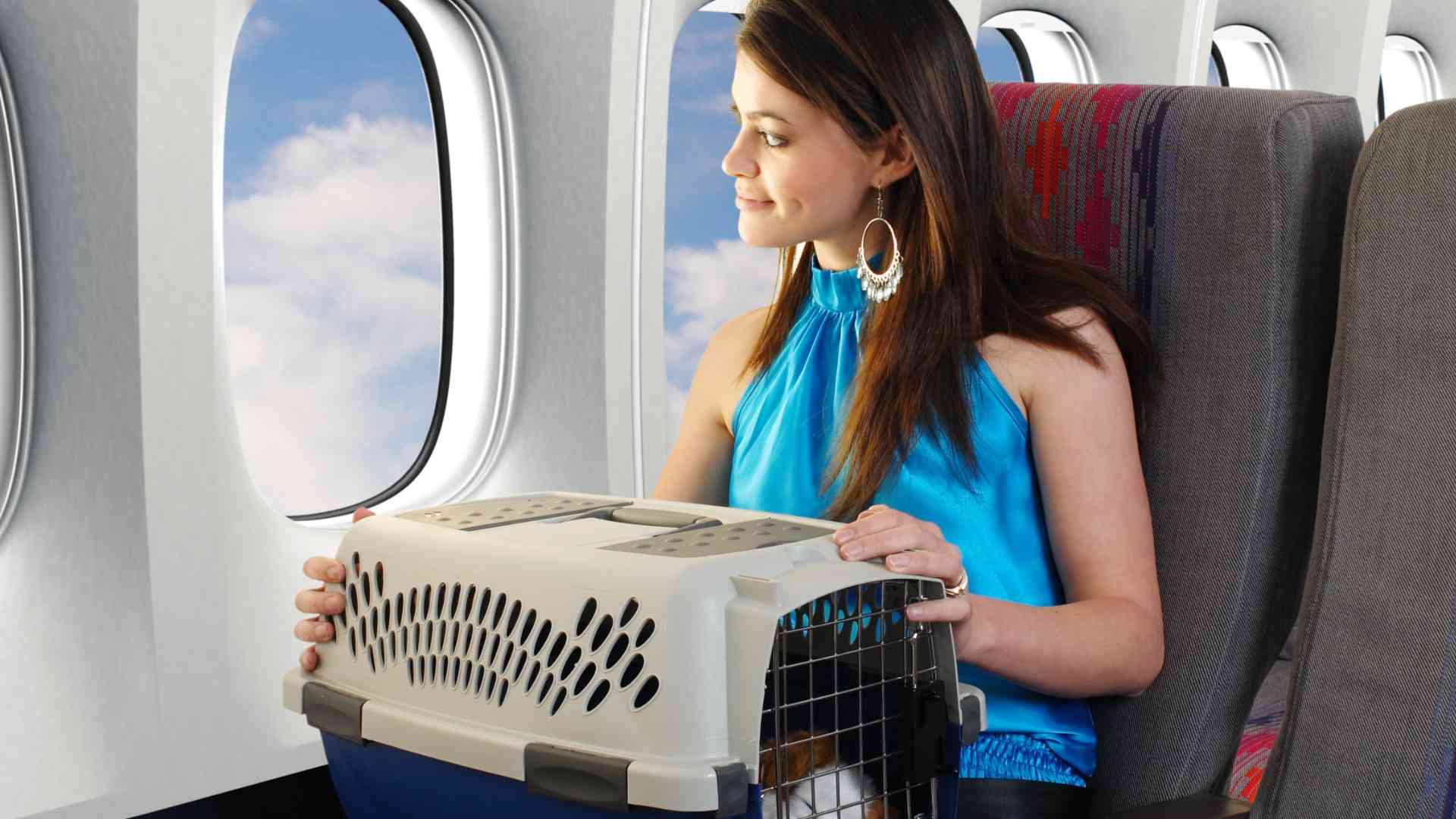
- Small Dogs: Dogs under 20 pounds can often travel in the cabin in an airline-approved carrier (e.g., Sherpa Pet Carrier, ~$40). Check airline policies, as fees range from $100-$150 per flight.
- Large Dogs: Larger dogs must travel in the cargo hold, which can be stressful. Research airlines with strong pet safety records, such as Alaska Airlines or Lufthansa.
- Emotional Support Animals (ESAs): Most airlines no longer allow ESAs in the cabin, except for LATAM, Volaris, and Aeromexico on select routes. Always verify with the airline.
By Boat
For a luxurious option, consider the Queen Mary 2, the only transatlantic cruise allowing dogs. Pets stay in onboard kennels, with daily visitation allowed. Tickets for pets cost approximately $1,000, comparable to a human fare, and bookings must be made 6-12 months in advance.
Table: Transportation Options Comparison
| Method | Best For | Pros | Cons | Approx. Cost |
|---|---|---|---|---|
| Car | Flexible travel | Full control, frequent stops | Time-consuming for long distances | Fuel + $15-$150 (gear) |
| Plane | Long distances | Fast | Stressful for large dogs, fees | $100-$150 (small dogs), $200+ (cargo) |
| Boat | Transatlantic travel | Luxurious, pet-friendly | Expensive, limited availability | ~$1,000 (pet ticket) |
Step 5: Prioritize Health and Safety
Your dog’s health is paramount when traveling. Take these steps to ensure their well-being:
- Vaccinations and Records: Ensure your dog is up-to-date on vaccinations (rabies, DHPP). Carry physical and digital copies of medical records.
- Microchip and ID Tags: A microchip ($50-$100) and updated ID tags ($5-$20) are essential for lost pets.
- Pet Insurance: Consider plans like Trupanion or Embrace, with monthly premiums of $30-$100, to cover emergencies abroad.
- First-Aid Kit: Pack a pet first-aid kit ($15-$30) with bandages, antiseptic, and medications like Trazodone for anxiety (consult your vet).
- Emergency Veterinary Care: Research vets at each destination using tools like VetFinder. Save 24/7 emergency clinic contacts.
Step 6: Acclimate Your Dog to Travel
Gradual exposure helps your dog adjust to the nomadic lifestyle. Start with:
- Short Trips: Take day trips or weekend getaways to test your dog’s comfort in new environments.
- Carrier Training: For air travel, acclimate your dog to a carrier through positive reinforcement with treats.
- Desensitization: Expose your dog to new sounds, sights, and surfaces to reduce anxiety.
Step 7: Establish a Routine
Dogs thrive on consistency. Maintain a predictable schedule for:
- Feeding: Feed at the same times daily, using portable bowls.
- Exercise: Schedule regular walks or playtime, ideally in dog-friendly parks.
- Rest: Bring familiar items like their bed or favorite toy to create a sense of home.
Chart: Daily Routine for a Nomad’s Dog

Step 8: Network with Other Nomads and Pet Owners
Building a community enhances your experience. Connect with:
- Digital Nomad Groups: Join forums like Nomad List or Reddit’s r/digitalnomad for pet-related advice.
- Pet Owner Communities: Platforms like Meetup or local dog park groups offer opportunities to share tips and arrange playdates.
- Pet-Sitting Networks: Use TrustedHousesitters to exchange pet care with other travelers.
Step 9: Prepare for Emergencies
Be ready for unexpected situations:
- Pet First-Aid Kit: Include essentials like gauze, tweezers, and antihistamines.
- Emergency Contacts: Save local vet and emergency clinic numbers.
- Backup Plan: Identify a trusted friend or sitter who can care for your dog if you’re unavailable.
Step 10: Research Local Laws and Regulations
Pet regulations vary widely. Before traveling:
- International Travel: Check entry requirements for each country. For example, the EU requires a pet passport, rabies vaccination, and microchip. Some countries, like Australia, have strict quarantine rules.
- Local Laws: Research leash laws, breed restrictions, and public transit rules. For instance, many U.S. cities require dogs to be in carriers on public transport.
Table: Sample International Pet Entry Requirements
| Country | Rabies Vaccine | Microchip | Pet Passport | Quarantine |
|---|---|---|---|---|
| USA | Required | Recommended | Not required | None |
| EU Countries | Required | Required | Required | None (if compliant) |
| Australia | Required | Required | Not required | 10 days minimum |
Practical Tips for a Seamless Experience
- Collapsible Gear: Invest in portable items like bowls and beds for convenience.
- Trazodone: Keep this vet-prescribed medication for high-stress situations like fireworks or crowded events.
- Treats: Carry treats to reward good behavior and facilitate interactions with strangers.
- Separation Anxiety: Gradually increase time apart to help your dog adjust. Use a pet camera to monitor behavior.
Is This Lifestyle Right for You and Your Dog?
Reflect on your dog’s needs and your travel plans. If your dog struggles with change or you plan frequent international moves, the nomadic lifestyle may be challenging. However, with preparation, many dogs adapt well. For example, older dogs like Elgie, a 13-year-old who thrives on car trips, can excel in this lifestyle if their needs are met.
Conclusion
Being a digital nomad with a dog is a rewarding journey that requires planning, flexibility, and a commitment to your pet’s well-being. By assessing your dog’s adaptability, researching pet-friendly destinations, and preparing for health, safety, and legal requirements, you can create a fulfilling nomadic life for both of you. Pack your bags, grab your dog’s leash, and embark on an adventure that strengthens your bond and fills your days with joy.
Please share this How to Be a Digital Nomad With a Dog with your friends and do a comment below about your feedback.
We will meet you on next article.
Until you can read, 9 Ways of Cultural Exchange with Locals During Travel


