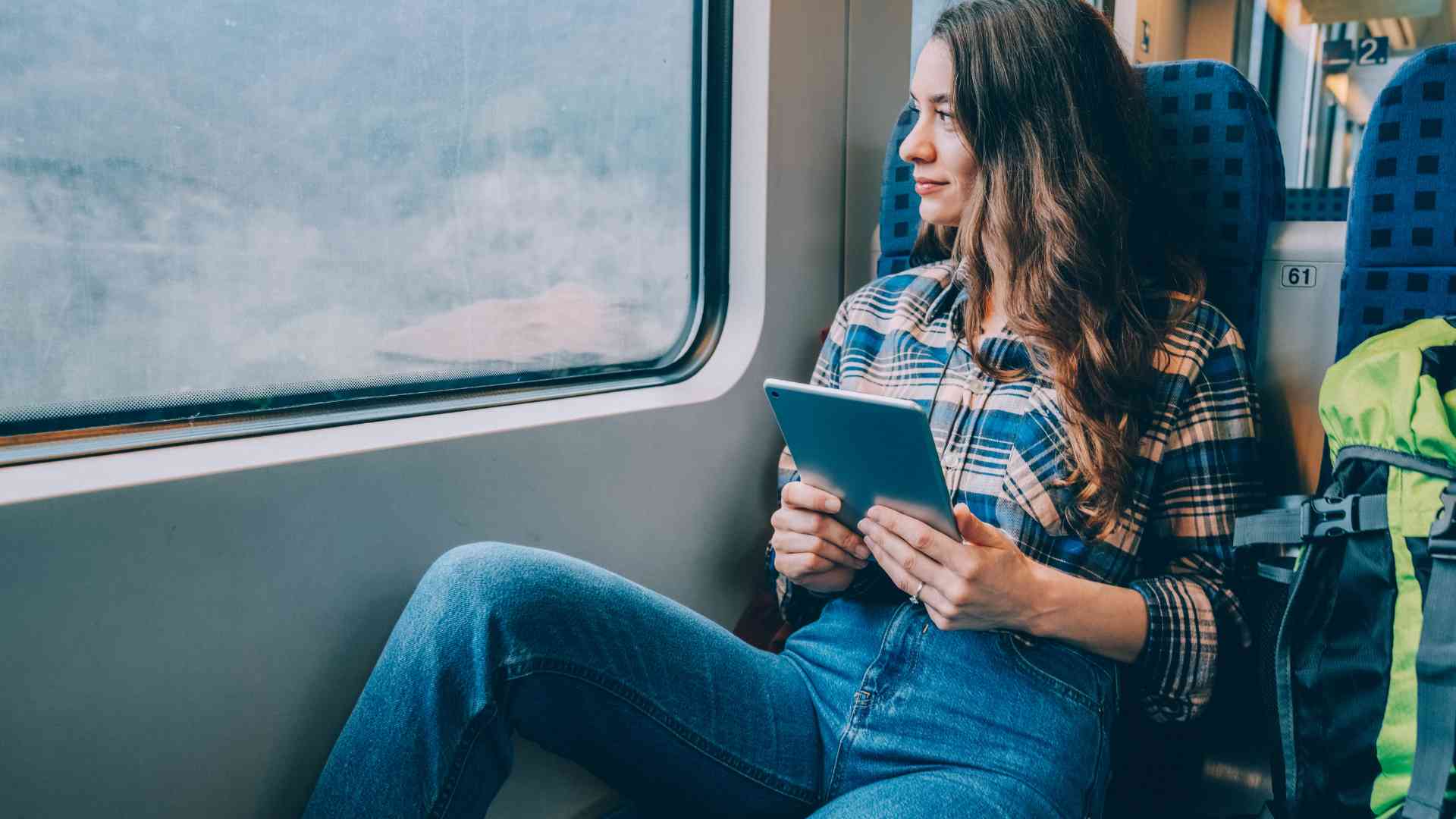
How to Overcome Loneliness While Traveling Solo
Overcome loneliness while solo traveling with practical strategies like social accommodations, group tours, and mindfulness practices for a fulfilling journey.
Solo travel offers unparalleled freedom, self-discovery, and the chance to explore the world on your terms. However, the solitude that comes with it can sometimes lead to feelings of loneliness, especially in unfamiliar environments. While these moments can feel daunting, they are not insurmountable. With the right mindset and practical strategies, you can transform your solo travel experience into one of connection, growth, and joy. This comprehensive guide explores actionable social and personal strategies to combat loneliness, enriched with real-world examples, data, and tools to help you thrive on the road.
Understanding Loneliness in Solo Travel
Loneliness during solo travel is a common experience, but it’s not synonymous with being alone. According to a study by the American Psychological Association, loneliness stems from a perceived lack of meaningful social connections, not necessarily physical isolation. Solo travelers often face this when adjusting to new environments, navigating language barriers, or missing the familiarity of home. However, solo travel also fosters independence, resilience, and opportunities to form unexpected connections.
The key is to approach loneliness proactively. By engaging with your surroundings, connecting with others, and nurturing your well-being, you can turn moments of isolation into opportunities for growth. Below, we outline social strategies, personal strategies, and additional tips to help you overcome loneliness and make your solo travel experience rewarding.
Social Strategies to Combat Loneliness
Building connections with others is one of the most effective ways to counter loneliness. Here are proven methods to foster social interactions while traveling solo:
1. Choose Social Accommodations
Hostels, guesthouses, and bed-and-breakfasts are ideal for solo travelers seeking connection. Unlike hotels, these accommodations often feature communal spaces like kitchens, lounges, or dining areas where travelers naturally gather. For example, staying in a hostel dorm can lead to spontaneous conversations with fellow travelers, many of whom are also solo and open to meeting new people.
Tip: Research hostels that align with your vibe—some cater to party-goers, while others focus on quieter, community-driven experiences. Websites like Hostelworld provide filters for amenities, vibe, and traveler reviews to help you choose the right fit.
2. Book Group Tours or Activities
Group tours, whether a half-day city walk or a multi-day adventure, are excellent for meeting like-minded travelers. Activities like cooking classes, vineyard tours, or hiking excursions provide shared experiences that spark conversation. For instance, joining a food tour in Barcelona might lead to a lively discussion about tapas with fellow foodies.
Data: According to a survey by Intrepid Travel, 60% of solo travelers reported making lasting friendships on group tours. Platforms like GetYourGuide, Viator, and Civitatis offer a range of tours with reviews and group size details, helping you select one that suits your interests.
3. Leverage Online Travel Communities
Online platforms can connect you with travelers and locals before you even arrive. Facebook groups like “Solo Travel Society” or destination-specific groups (e.g., “Backpackers in Southeast Asia”) allow you to arrange meetups or get recommendations. Apps like Couchsurfing and Meetup facilitate in-person gatherings, from coffee chats to group hikes.
Example: In Chiang Mai, a solo traveler joined a local Couchsurfing meetup and ended up exploring night markets with a group of expats and travelers, turning a quiet evening into a memorable one.
4. Be Approachable and Initiate Conversations
A smile, a friendly question, or a small gesture can open doors to new connections. Simple conversation starters like asking for a restaurant recommendation or commenting on a shared activity can lead to meaningful interactions. For introverts, this might feel challenging, but practicing small talk can build confidence over time.
Tip: Target other solo travelers, as they’re often more open to chatting than those in groups. A study by Topdeck Travel found that 78% of Millennials seek meaningful interactions while traveling, so you’re likely to find others eager to connect.
5. Embrace Spontaneity
Some of the best travel experiences come from unplanned moments. Saying yes to an impromptu invitation—like joining a group of travelers for dinner or attending a local festival—can lead to unexpected friendships. Flexibility in your itinerary allows you to seize these opportunities.
Chart: Social Strategies Flowchart

Personal Strategies to Stay Grounded
While social connections are vital, nurturing your inner world is equally important. These personal strategies help you manage loneliness and embrace the benefits of solo travel:
1. Engage in Familiar Activities
Bringing a piece of home with you can provide comfort. Whether it’s sipping coffee at a cozy café, reading a favorite book, or listening to a familiar playlist, these activities create a sense of stability. For example, finding a local café to become your “spot” can make a new city feel like home.
2. Pursue Hobbies
Engaging in activities you love—such as photography, writing, or sketching—can keep loneliness at bay. These hobbies not only occupy your time but also provide opportunities to connect with others who share your interests. For instance, a solo traveler in Rome set a goal to find the city’s best pizzeria, which led to discovering hidden gems and chatting with locals.
3. Practice Mindfulness
Mindfulness practices like meditation, journaling, or yoga can help you process emotions and stay present. Journaling, in particular, allows you to reflect on your experiences and reframe loneliness as an opportunity for self-discovery. Apps like Headspace or Calm offer guided meditations tailored for travelers.
4. Stay Connected with Loved Ones
Regular calls or video chats with family and friends can provide emotional support. However, be mindful that these interactions can sometimes intensify homesickness. Experiment to find what works for you—some travelers find comfort in daily check-ins, while others prefer occasional calls to stay immersed in their journey.
5. Embrace Alone Time
Solo travel is a unique chance to connect with yourself. Use quiet moments for self-reflection, setting personal goals, or simply enjoying your own company. According to a study by the Journal of Personality and Social Psychology, individuals who embrace solitude report higher levels of personal growth and self-awareness.
Table: Personal Strategies for Managing Loneliness
| Strategy | Description | Tools/Resources |
|---|---|---|
| Familiar Activities | Engage in comforting routines like reading or café visits | Local cafés, e-readers |
| Pursue Hobbies | Do activities you love, like photography or writing | Camera, notebook, online courses |
| Practice Mindfulness | Use meditation or journaling to stay grounded | Headspace, Calm, journal apps |
| Stay Connected | Call or video chat with loved ones | WhatsApp, FaceTime, Zoom |
| Embrace Alone Time | Reflect and grow through solitude | Guided journals, self-help books |
Additional Tips for a Fulfilling Solo Journey
Beyond social and personal strategies, these practical tips can enhance your solo travel experience:
1. Plan with Solo Travel in Mind
Choose destinations known for being solo-traveler-friendly, such as Amsterdam, Tokyo, or Chiang Mai, where hostels, tours, and social activities abound. Research activities that naturally foster interaction, like language classes or cultural workshops.
2. Don’t Fear Asking for Help
If loneliness feels overwhelming, reach out to your accommodation staff, a local guide, or a fellow traveler. Most people are happy to offer advice or companionship. For example, a solo traveler in Amsterdam joined a hostel’s pub crawl after asking the staff for recommendations, leading to new friendships.
3. Focus on the Positives
Solo travel offers unmatched freedom to explore at your own pace, make spontaneous decisions, and prioritize your interests. Reframing loneliness as an opportunity for independence can shift your perspective. A survey by Booking.com found that 65% of solo travelers feel more confident after their trips.
4. Travel Slowly
Instead of rushing through a checklist of sights, spend more time in each destination to build familiarity and connections. Staying a week or more in a city allows you to establish routines, visit local haunts, and form bonds with regulars.
5. Explore Co-Working Spaces
For digital nomads, co-working spaces offer a community of like-minded individuals. These spaces, found in cities like Bali or Lisbon, host events and provide opportunities to network with other remote workers.
Real-Life Stories: Solo Travel Without Loneliness
To illustrate how these strategies work in practice, here are five stories from solo travelers who overcame loneliness through connection and self-discovery:
1. Meeting Ron in Key West
While watching the sunset at Mallory Square, a solo traveler struck up a conversation with Ron, a local with a positive outlook on life. Their chat about living positively enriched the traveler’s experience, proving that a single conversation can transform a trip.
2. Bonding with Penny in India
Penny, a first-time solo traveler, started her journey in India and met a companion at an ashram in Rishikesh. They explored Rajasthan together, sharing experiences like visiting the Taj Mahal, showing how group settings can lead to meaningful connections.
3. Learning from Starla in Venice Beach
A chance encounter with Starla, a busker on Venice Beach, led to a deep conversation about societal issues. This interaction not only alleviated loneliness but also broadened the traveler’s perspective on cultural dynamics.
4. Practicing French with Baabush in Pushkar
A solo traveler met Baabush outside a temple in Pushkar, India, and spent an hour practicing French while learning about his life. This spontaneous interaction highlighted how language and curiosity can bridge cultural gaps.
5. Dinner with Locals in Rochester
At a busy restaurant in Rochester, New York, a solo traveler was invited to join locals Sandy and Mark for dinner. Their generosity and shared stories about the city turned a solo meal into a memorable evening.
Practical Tools and Resources
To make your solo travel journey less lonely, consider these tools and resources:
- Hostelworld: Find social hostels with reviews and filters for vibe and amenities.
- GetYourGuide/Viator: Book group tours with clear pricing and group size details.
- Couchsurfing/Meetup: Connect with locals and travelers for meetups or events.
- Headspace/Calm: Access guided meditations for mindfulness on the go.
- WhatsApp/Zoom: Stay connected with loved ones through free calls and video chats.
Table: Tools for Solo Travelers
| Tool/App | Purpose | Price (Approximate) |
|---|---|---|
| Hostelworld | Find social accommodations | Free (booking fees apply) |
| GetYourGuide | Book group tours and activities | Varies by tour ($10-$100) |
| Couchsurfing | Connect with locals/travelers | Free (premium $2/month) |
| Headspace | Guided meditation for mindfulness | $12.99/month |
| Free calls and messaging | Free |
The Mindset Shift: Alone, Not Lonely
Ultimately, overcoming loneliness while traveling solo comes down to mindset. Loneliness is a natural part of the journey, but it doesn’t define it. By actively seeking connections, embracing your interests, and staying open to new experiences, you can turn solitude into a powerful tool for growth. Solo travel is about discovering not just the world, but also yourself—your resilience, your passions, and your ability to connect with others in unexpected ways.
Chart: Solo Travel Mindset

Conclusion
Solo travel is a transformative experience that challenges you to step out of your comfort zone and embrace both the highs and lows of the journey. While loneliness may arise, it can be managed with intentional strategies like choosing social accommodations, joining group activities, practicing mindfulness, and staying connected with loved ones. By focusing on the freedom, independence, and opportunities for self-discovery, you can turn your solo adventure into a deeply enriching experience. So pack your bags, adopt a proactive mindset, and embark on a journey where being alone doesn’t mean being lonely.
Please share this How to Overcome Loneliness While Traveling Solo with your friends and do a comment below about your feedback.
We will meet you on next article.
Until you can read, Unique Challenges and Benefits of Nomading with a Pet