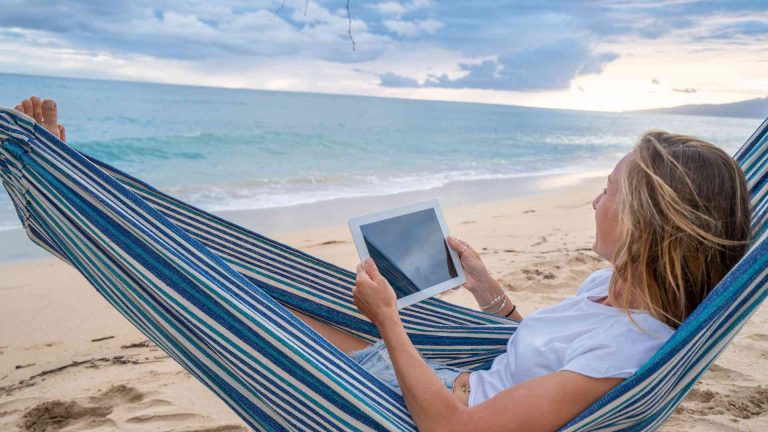
How to create the right mindset for being a digital nomad
Discover how to develop the right mindset for a successful digital nomad lifestyle with practical tips, mindset shifts, and financial strategies.
The digital nomad lifestyle—working remotely while traveling the world—has captured the imagination of many seeking freedom, adventure, and purpose. Yet, thriving as a digital nomad requires more than a laptop and a plane ticket. It demands a mindset that embraces flexibility, discipline, and a reimagined relationship with money, work, and happiness. This article explores the essential mindset shifts, practical strategies, and financial principles needed to succeed as a digital nomad, drawing insights from real nomads like Leroy, a mindset coach living this lifestyle in Split, Croatia.
Understanding the Digital Nomad Mindset
The digital nomad lifestyle is not just about working from exotic locations; it’s about adopting a mindset that aligns with freedom, adaptability, and growth. Unlike traditional careers, digital nomadism requires navigating unpredictable environments, managing finances independently, and balancing work with exploration. Below are the core mindset shifts that form the foundation of this lifestyle.
1. Embrace Flexibility
Digital nomads must adapt to new cultures, time zones, and unexpected challenges, such as unreliable Wi-Fi or last-minute travel changes. Flexibility means letting go of rigid expectations and embracing the unpredictability of life on the move.
For example, Leroy, a digital nomad and mindset coach, chooses destinations like Split, Croatia, for their blend of beach and mountain access, allowing him to adapt his work and leisure activities to the environment. His ability to pivot—whether adjusting to a new city or finding local workout spots—exemplifies the flexible mindset needed for success.
Practical Tip: Test your adaptability by working remotely from a new location, such as a coworking space or a friend’s house, before committing to a nomadic lifestyle. This helps you identify and address potential challenges in your workflow.
2. Develop Self-Discipline
Without a boss or fixed office hours, digital nomads rely on self-discipline to stay productive. This means setting clear boundaries, creating routines, and sticking to deadlines, even when surrounded by tempting travel distractions.
Leroy emphasizes location-independent activities like running, yoga, and calisthenics, which he can do anywhere with minimal equipment. Similarly, nomads must establish work routines that are portable and consistent, such as dedicating specific hours to focused work or using productivity tools like Trello or Notion.
Practical Tip: Create a daily schedule that includes dedicated work hours, breaks, and personal time. Use tools like Pomodoro timers to maintain focus and avoid burnout.
3. Prioritize Work-Life Integration
Unlike the traditional work-life balance model, digital nomads aim for work-life integration, where work and personal life coexist fluidly. This might mean answering emails from a beachside café or taking a midday hike to recharge before a late-night project.
Leroy’s approach to combining work with passions like hiking and dancing illustrates this integration. By choosing destinations that align with his interests, he creates a lifestyle where work enhances, rather than competes with, personal fulfillment.
Practical Tip: Identify activities that energize you and incorporate them into your workday. For instance, schedule a morning walk or yoga session to boost creativity and focus.
4. Build Meaningful Connections
Loneliness can be a challenge for digital nomads, especially when traveling solo. Building a network of like-minded individuals—other nomads, locals, or online communities—combats isolation and fosters support.
Leroy highlights meeting people and learning about their cultures as one of his favorite experiences. Whether through coworking spaces, social media groups, or local events, connecting with others provides emotional and professional support.
Practical Tip: Join online communities like the Digital Nomad Society or Wanderlover Business Academy. Attend local meetups or use platforms like Meetup.com to find events in your destination.
5. Foster a Growth Mindset
A growth mindset—viewing challenges as opportunities for learning—helps digital nomads thrive in unfamiliar environments. Embracing new cultures, skills, and experiences fuels personal and professional development.
For Leroy, a backpacking trip sparked his realization that entrepreneurship and nomadism could offer more freedom than a 9-to-5 job. This openness to new possibilities led him to build a coaching business while traveling.
Practical Tip: Take an online course or read books like Secrets of the Millionaire Mind by T. Harv Ecker to cultivate a growth-oriented mindset. Reflect on challenges as learning opportunities rather than setbacks.
Financial Mindset for Digital Nomads
Money is a critical factor in sustaining the digital nomad lifestyle. A healthy financial mindset shifts the focus from scarcity to abundance, empowering nomads to create wealth while living freely.
Reframing Money as a Tool for Freedom
Many people view money as a means to acquire possessions, but digital nomads benefit from seeing it as a tool for freedom. As Leroy’s story shows, financial independence allowed him to choose destinations like Split without being tied to a fixed job or location.
A Gallup World Poll survey with over 136,000 participants found that while income influences life satisfaction, it has less impact on emotional well-being beyond a certain threshold (approximately $75,000 annually). This suggests that once basic needs are met, additional income should be directed toward experiences and freedom, not just material goods.
Practical Tip: Create a “freedom fund” with 3–6 months of living expenses to reduce financial anxiety and empower risk-taking. Contribute a fixed percentage of your income monthly to build this safety net.
Playing the Money Game to Win
In Secrets of the Millionaire Mind, T. Harv Ecker contrasts the mindset of the wealthy, who play to win, with others who play not to lose. Digital nomads should aim to generate wealth, not just cover expenses. This means focusing on increasing income through multiple streams, such as freelancing, online courses, or e-commerce.
Practical Tip: Identify your skills and explore high-demand niches like digital marketing, graphic design, or coaching. Platforms like Upwork or Fiverr can help you find freelance opportunities.
Increasing Cash Flow
To achieve financial freedom, digital nomads must prioritize cash flow over savings alone. This involves creating multiple income streams, raising prices, or scaling product offerings. For example, Leroy built a coaching business that allows him to work remotely while traveling, ensuring a steady income.
Practical Tip: Develop a side hustle, such as selling digital products (e.g., e-books, templates) or offering consulting services. Reinvest profits into growing your business or learning new skills.
Managing and Keeping Money
Effective money management is crucial for long-term nomadism. This includes using bank accounts with no foreign transaction fees, tracking income and expenses, and building a financial safety net.
Table: Financial Tools for Digital Nomads
| Tool | Purpose | Example |
|---|---|---|
| Fee-Free Bank Account | Avoid international transaction fees | Charles Schwab, Revolut |
| Expense Tracker | Monitor spending and budget adherence | Mint, YNAB |
| Rewards Credit Card | Earn points or cashback on purchases | Chase Sapphire, Capital One |
| Income/Expense Spreadsheet | Track business and personal finances | Google Sheets, Excel |
| Freedom Fund | Emergency savings for financial security | High-yield savings account |
Practical Tip: Set up separate accounts for personal and business expenses. Use apps like Mint to track spending and ensure you’re staying within your budget.
Practical Steps to Prepare for Digital Nomadism
Transitioning to a digital nomad lifestyle requires careful planning. Below are actionable steps to set yourself up for success.
1. Test Your Remote Work Setup
Before embarking on a nomadic journey, test your ability to work remotely. Work from home or a local café to identify gaps in your setup, such as unreliable internet or inadequate equipment.
Practical Tip: Invest in a reliable laptop, noise-canceling headphones, and a portable Wi-Fi hotspot. Ensure your software (e.g., Zoom, Slack) is optimized for remote work.
2. Budget Effectively
Financial stability is critical for nomads. Create a detailed budget covering travel, accommodation, food, insurance, and emergency expenses. Research cost-of-living differences in your destinations to avoid surprises.
Chart: Budget Allocation for Digital Nomads

Practical Tip: Use cost-of-living calculators like Numbeo to estimate expenses in potential destinations. Aim to keep monthly costs 20–30% below your income for flexibility.
3. Identify Your Skills and Niche
Your skills determine your earning potential as a nomad. Assess your strengths—whether in writing, design, coding, or coaching—and find a niche that aligns with market demand.
Practical Tip: Take a skills assessment on platforms like LinkedIn or Coursera to identify strengths. Research high-paying remote jobs in your field to target opportunities.
4. Research Destinations Thoroughly
Each destination has unique customs, visa requirements, and challenges. For example, Leroy chose Split for its moderate size, natural beauty, and proximity to hiking trails. Researching in advance ensures you’re prepared for local nuances.
Practical Tip: Check visa requirements on official government websites and read nomad blogs for insights on destinations. Platforms like Nomad List provide data on internet speed, safety, and cost of living.
5. Stay Connected and Informed
Online communities and resources are invaluable for nomads. Engaging with others provides tips, support, and opportunities for collaboration.
Practical Tip: Follow nomads like Leroy (@leroyseijdel on Instagram) for inspiration. Join forums like Reddit’s r/digitalnomad or subscribe to newsletters from sites like nomadstays.com.
Overcoming Challenges as a Digital Nomad
The nomadic lifestyle isn’t without hurdles. Common challenges include loneliness, inconsistent routines, and financial uncertainty. Here’s how to address them:
- Loneliness: Combat isolation by joining coworking spaces or attending local events. Leroy’s love for meeting people and learning about their cultures highlights the importance of connection.
- Inconsistent Routines: Establish portable routines, like Leroy’s running and yoga habits, to maintain consistency across locations.
- Financial Uncertainty: Build a freedom fund and diversify income streams to reduce stress. Regular financial check-ins ensure you’re on track.
Real-Life Inspiration: Leroy’s Journey
Leroy’s story illustrates the mindset shifts and practical steps needed for digital nomadism. After a transformative backpacking trip, he transitioned from planning a 9-to-5 job to building a coaching business that supports his travels. His choice of Split, Croatia, reflects a strategic approach to selecting destinations that balance work and lifestyle preferences.
Leroy’s favorite experiences—meeting diverse people, discovering hidden gems like Albania, and pursuing passions like dancing—show how nomadism fosters personal growth. His advice, “Don’t limit yourself,” encourages aspiring nomads to take small steps toward freedom.
The Emotional Rewards of Nomadism
Beyond practical and financial considerations, digital nomadism offers profound emotional rewards. Traveling solo, as the author of the 18-part series shares, fosters self-discovery and confidence. Being removed from societal expectations allows nomads to redefine happiness on their terms.
For example, strolling through Vietnamese villages or exploring Croatia’s UNESCO-protected parks can shift your perspective, making you more grateful and adaptable. These experiences reinforce the mindset that happiness is within your control, not dictated by external factors.
Getting Started: Your First Steps
If you’re inspired to become a digital nomad, start with these steps:
- Assess Your Readiness: Reflect on your willingness to embrace change and uncertainty. Are you ready to step outside your comfort zone?
- Build Skills: Take online courses to develop in-demand remote skills. Platforms like Udemy or Coursera offer affordable options.
- Save and Plan: Build a freedom fund and research destinations. Start with a short-term trip to test the lifestyle.
- Connect: Join nomad communities and follow inspiring figures like Leroy for guidance and motivation.
Conclusion
Creating the right mindset for digital nomadism involves embracing flexibility, discipline, and a growth-oriented approach to life and work. By reframing money as a tool for freedom, building meaningful connections, and preparing practically, you can turn the dream of nomadism into a sustainable reality. Leroy’s journey, from backpacking to coaching in Croatia, shows that with the right mindset, anyone can achieve financial and personal freedom while exploring the world. Start small, stay focused, and let your nomadic journey transform your life.
Please share this How to create the right mindset for being a digital nomad with your friends and do a comment below about your feedback.
We will meet you on next article.
Until you can read, Digital nomads can live for free in Sardinia