20 Tips for Being a Good Traveler
Discover 20 practical tips to become a better traveler, from planning and cultural respect to sustainable travel and reflection.
Traveling is more than just visiting new places; it’s an opportunity to grow, learn, and connect with the world in meaningful ways. Becoming a “good” traveler—or rather, a better traveler—requires intentionality, humility, and a commitment to aligning your actions with positive impact. Whether you’re a first-time explorer or a seasoned globetrotter, these 20 tips will guide you through planning, experiencing, and reflecting on your journeys to ensure they are enriching for both you and the communities you visit.
This guide dives deep into practical steps, mindset shifts, and actionable strategies to elevate your travel experiences. From securing a passport to embracing local customs, we’ll cover everything you need to travel responsibly and authentically.
1. Secure Your Travel Documents Early
A valid passport is your gateway to the world. Apply for or renew your passport well in advance, as processing times can vary. Check the expiration date—most countries require at least six months of validity beyond your planned return date. Research visa requirements for each destination, as some countries offer visa-on-arrival, while others demand pre-approved applications. Websites like the U.S. Department of State or equivalent government portals provide up-to-date visa information.
Pro Tip: Keep digital and physical copies of your passport, visas, and travel insurance in separate locations for emergencies.
2. Create a Realistic Travel Budget
Financial planning is crucial for sustainable travel. Estimate costs for flights, accommodation, food, activities, and emergencies. Use budgeting tools like Trail Wallet or YNAB to track expenses. Save a dedicated travel fund by setting aside a fixed amount monthly. Explore remote work opportunities, such as freelance writing or virtual tutoring, to fund longer trips. For example, platforms like Upwork and Fiverr offer flexible gigs that can be done from anywhere.
Table: Sample Travel Budget Breakdown
| Category | Estimated Cost (USD) | Notes |
|---|---|---|
| Flights | $500–$2,000 | Varies by destination and booking time |
| Accommodation | $20–$150/night | Hostels, Airbnb, or hotels |
| Food | $10–$50/day | Local eateries vs. tourist restaurants |
| Activities | $50–$200 | Museums, tours, or adventure activities |
| Emergency Fund | $500 | For unexpected medical or travel issues |
3. Research Your Destination Thoroughly
Understanding your destination’s culture, history, and current sociopolitical climate is essential. Read books, watch documentaries, or follow local news outlets to grasp customs, traditions, and societal norms. For instance, learning about Japan’s emphasis on respect and punctuality or Morocco’s conservative dress codes can prevent unintentional missteps. Researching colonial histories or indigenous perspectives can deepen your appreciation and inform respectful behavior.
Pro Tip: Use resources like Lonely Planet, Culture Trip, or local blogs for authentic insights.
4. Develop Marketable Travel Skills
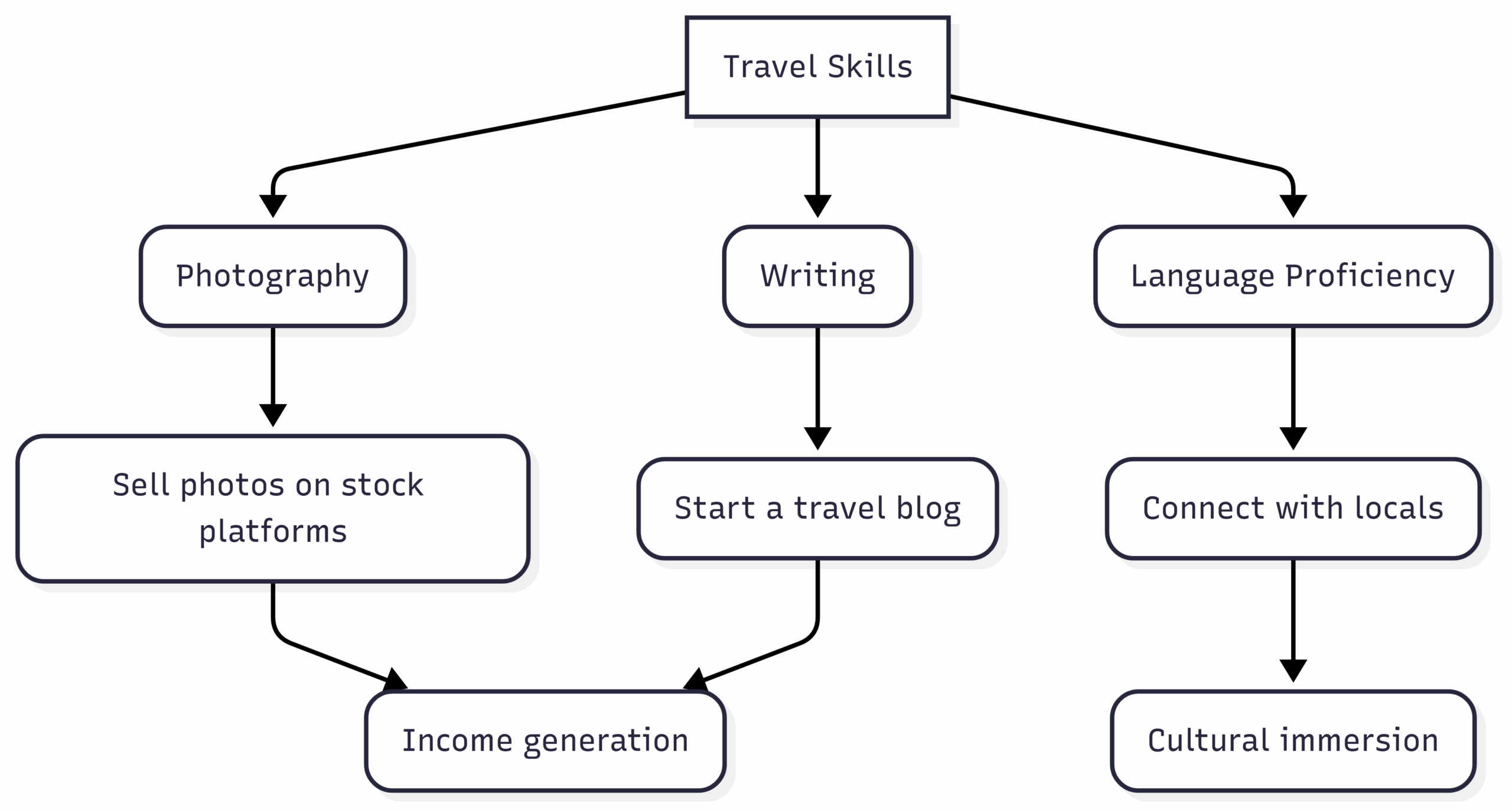
Skills like photography, writing, or language proficiency can enhance your travel experience and potentially generate income. For example, travel photography can be sold on platforms like Shutterstock, while blogging about your experiences can attract sponsorships. Learning basic phrases in the local language—such as “hello,” “thank you,” or “where is the bathroom?”—builds confidence and fosters connections.
Chart: Skill Development for Travelers
5. Create a Vision Board for Motivation
Visualizing your travel goals keeps you focused. Create a physical or digital vision board with images of your dream destinations, activities, or cultural experiences. Tools like Canva or Pinterest make this easy. Include specific goals, like hiking Machu Picchu or attending a Diwali festival in India, to stay motivated during the planning phase.
6. Embrace Spontaneity in Your Itinerary
While planning is essential, leaving room for spontaneity can lead to unforgettable experiences. Avoid over-scheduling your days; instead, allocate free time to explore local markets, join impromptu festivals, or follow recommendations from locals. Flexibility allows you to adapt to unexpected opportunities, like a last-minute invitation to a cultural event.
7. Connect Authentically with Locals
Building genuine connections with locals enriches your travel experience. Attend community events, shop at local markets, or join free walking tours led by residents. For example, platforms like WithLocals connect travelers with locals for authentic experiences, such as home-cooked meals or guided tours. Respectful curiosity—asking about traditions or daily life—fosters mutual understanding.
8. Be Open to New Experiences
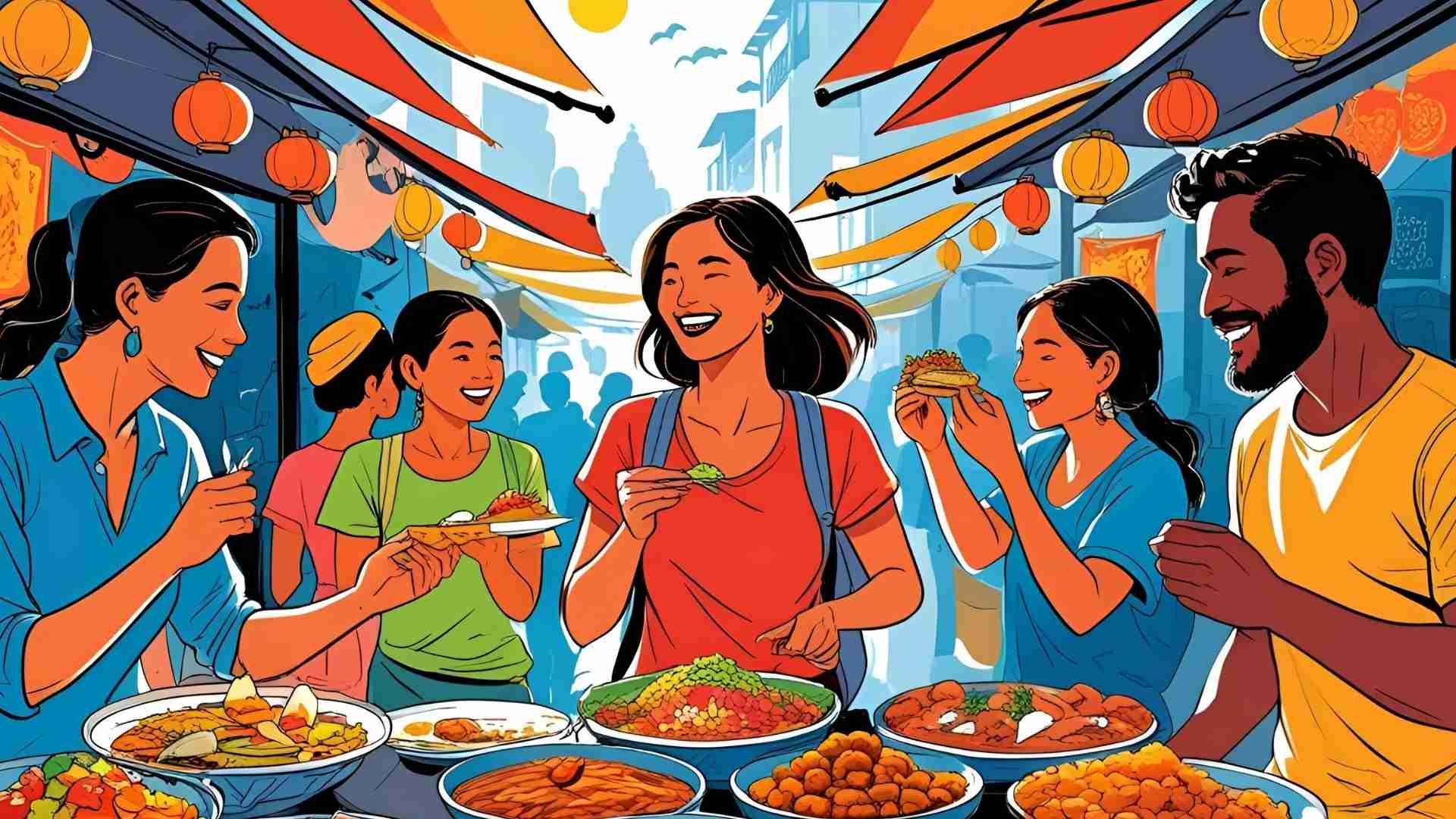
Trying new foods, activities, or traditions is a cornerstone of good travel. Whether it’s sampling street food in Bangkok or joining a samba class in Brazil, stepping outside your comfort zone builds resilience and broadens your perspective. Keep an open mind, even when faced with unfamiliar or challenging situations.
9. Respect Local Customs and Traditions
Every destination has unique cultural norms. In some Middle Eastern countries, modest clothing is expected, while in Japan, removing shoes before entering homes is customary. Researching and adhering to these norms shows respect and prevents offense. When in doubt, observe locals or ask politely for guidance.
10. Travel Slowly for Deeper Immersion
Rushing through destinations to check off tourist attractions limits your connection to a place. Slow travel—spending extended time in one location—allows you to live like a local, explore hidden gems, and build meaningful relationships. For example, staying in a small Italian village for a month offers deeper insights than a whirlwind tour of Rome, Florence, and Venice.
11. Seek Remote or Travel-Related Work
Remote work is a game-changer for long-term travel. Jobs like digital marketing, graphic design, or online teaching provide flexibility and income. Alternatively, explore travel-related careers, such as tour guiding or working for a travel agency. Platforms like Workaway offer opportunities to exchange skills for accommodation, blending work and cultural immersion.
12. Leverage Travel Blogging or Influencing
Sharing your travel experiences through a blog or social media can inspire others and potentially generate income. Start a blog on platforms like WordPress or use Instagram to showcase your journeys. Focus on authentic storytelling—highlight local cultures and unique experiences—while adhering to ethical practices, like seeking permission before photographing people.
13. Volunteer for Cultural Immersion
Volunteering combines travel with purpose. Programs like WWOOF (World Wide Opportunities on Organic Farms) or local NGO initiatives allow you to contribute to communities while learning about their way of life. For example, teaching English in rural Southeast Asia can provide cultural insights and meaningful connections.
14. Learn Basic Local Phrases
Learning key phrases in the local language enhances interactions and shows respect. Apps like Duolingo or Babbel make this accessible. For instance, knowing “salaam alaikum” (peace be upon you) in Arabic-speaking countries can open doors to warmer interactions. Even imperfect attempts are often appreciated by locals.
15. Reflect on Your Experiences
Journaling or reflecting on your travels helps process experiences and track personal growth. Dedicate time daily or weekly to write about what you’ve learned, felt, or observed. Postcards from destinations can serve as unique journal entries, doubling as souvenirs. Reflection deepens your understanding of how travel shapes your worldview.
16. Adapt to Unexpected Challenges
Travel rarely goes exactly as planned. Flight delays, language barriers, or cultural misunderstandings are common. Embrace adaptability by staying calm and resourceful. For example, learning to navigate a new city’s public transportation system builds confidence and problem-solving skills.
17. Choose Sustainable Travel Options
Minimize your environmental impact by opting for eco-friendly travel methods. Trains or buses often have lower carbon footprints than flights. Carry reusable items like water bottles, utensils, and shopping bags to reduce waste. Support local organizations that promote sustainability, such as carbon offset programs or eco-conscious tour operators.
Table: Sustainable Travel Choices
| Option | Benefits | Examples |
|---|---|---|
| Public Transport | Lower carbon footprint, local immersion | Trains in Europe, tuk-tuks in Asia |
| Reusable Items | Reduces plastic waste | Stainless steel water bottle, cloth bag |
| Eco-Tours | Supports conservation efforts | Wildlife sanctuaries, organic farms |
18. Pack Thoughtfully and Lightly
Packing with purpose saves space and enhances your experience. Include versatile clothing (e.g., scarves for multiple uses), essentials like medications, and small gifts from home to share with locals. Always pack critical items—passport, chargers, and a change of clothes—in your carry-on. Check entry requirements, like vaccinations, to avoid last-minute issues.
19. Support Local Economies
Prioritize small, family-run businesses over international chains. Eating at local restaurants, shopping at markets, or booking tours with resident guides directly supports communities. For example, buying handmade crafts in Mexico or dining at a family-owned trattoria in Italy ensures your money benefits locals.
20. Integrate Travel Lessons into Your Life
Your travels should influence how you live at home. If you loved the communal dining culture in Greece, host dinner parties focused on conversation. If walking in European cities inspired you, incorporate more walking into your daily routine. Reflecting on and applying these lessons fosters personal growth and keeps the spirit of travel alive.
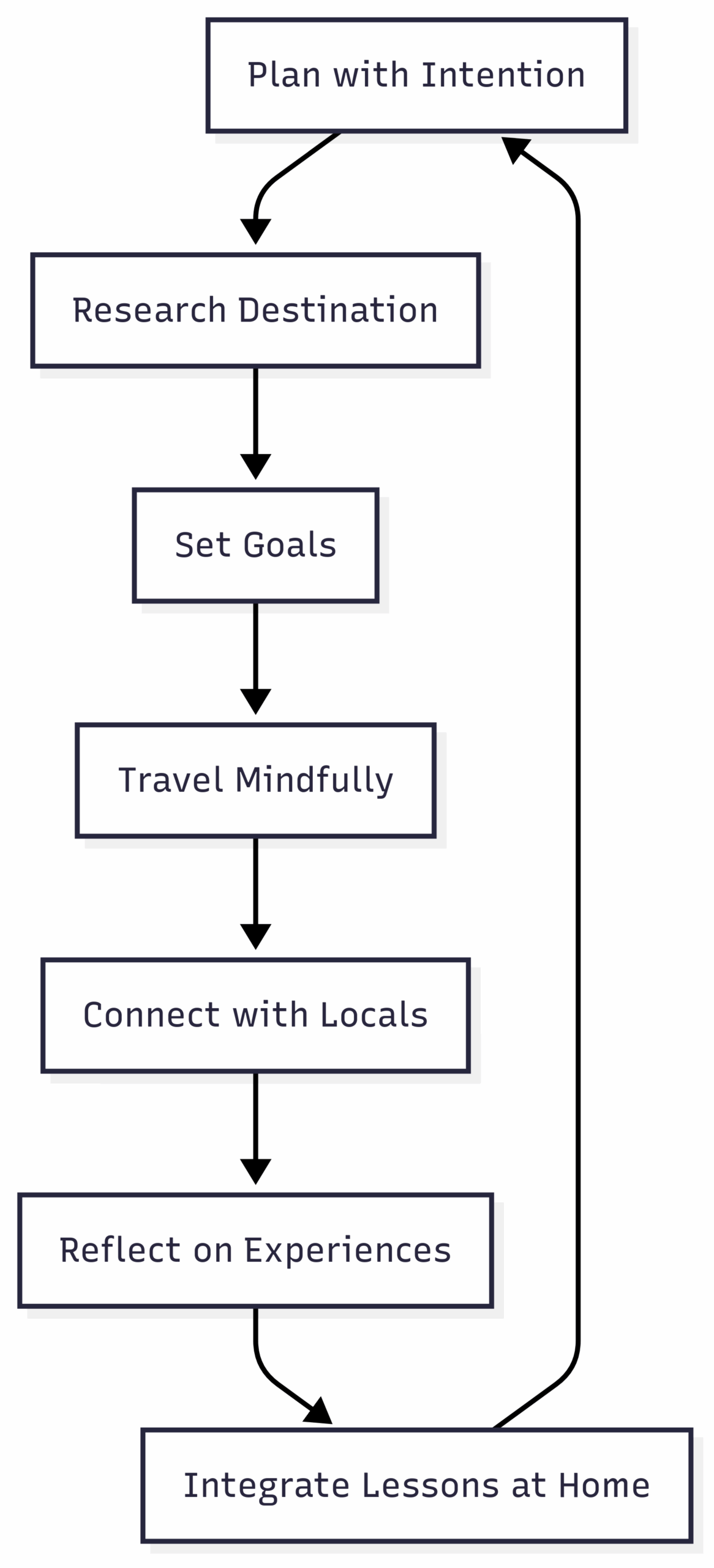
Chart: The Travel Experience Cycle
The Mindset of a Good Traveler
Being a good traveler is not about perfection but about continuous improvement. It’s about approaching each journey with curiosity, humility, and respect. Acknowledge your privilege as a traveler—your ability to move freely across borders is not universal. Reflect on your impact, from environmental footprints to cultural interactions, and strive to leave places better than you found them.
Pro Tip: Practice cultural humility by recognizing that you’re a guest in someone else’s home. Listen more than you speak, and approach differences with an open heart.
Practical Tools for Better Travel
- Apps for Planning: Skyscanner for flights, Rome2Rio for transportation options, and TripIt for itinerary organization.
- Language Learning: Duolingo, Babbel, or Memrise for quick phrase learning.
- Sustainable Travel: Apps like Green Globe or Ecobnb help identify eco-friendly accommodations and activities.
- Cultural Guides: Books like The Rough Guide to First-Time Around the World or destination-specific blogs.
Overcoming Common Travel Challenges
Travel comes with hurdles, but preparation and mindset can mitigate them. Language barriers can be addressed with translation apps like Google Translate. Safety concerns require vigilance—keep valuables secure and avoid flashy displays of wealth. Homesickness can be eased by staying connected with loved ones or finding familiar comforts, like a favorite snack, in your destination.
The Returnee Experience
Returning home can be as transformative as the journey itself. You may experience reverse culture shock, feeling out of place in your own environment. Process these feelings through journaling or talking with fellow travelers. Join local travel clubs or online communities to share experiences and stay inspired. Your global perspective can fuel activism, such as advocating for sustainability or cultural equity in your community.
Conclusion: Travel with Purpose
Becoming a better traveler is a lifelong journey. By planning with intention, embracing local cultures, and reflecting on your experiences, you create meaningful connections that transcend borders. Travel is a privilege and a responsibility—use it to grow, learn, and contribute positively to the world. Let each trip expand your horizons and redefine your understanding of home and self.
Please share this 20 Tips for Being a Good Traveler with your friends and do a comment below about your feedback.
We will meet you on next article.
Until you can read, What are some tips and tricks to save money while traveling