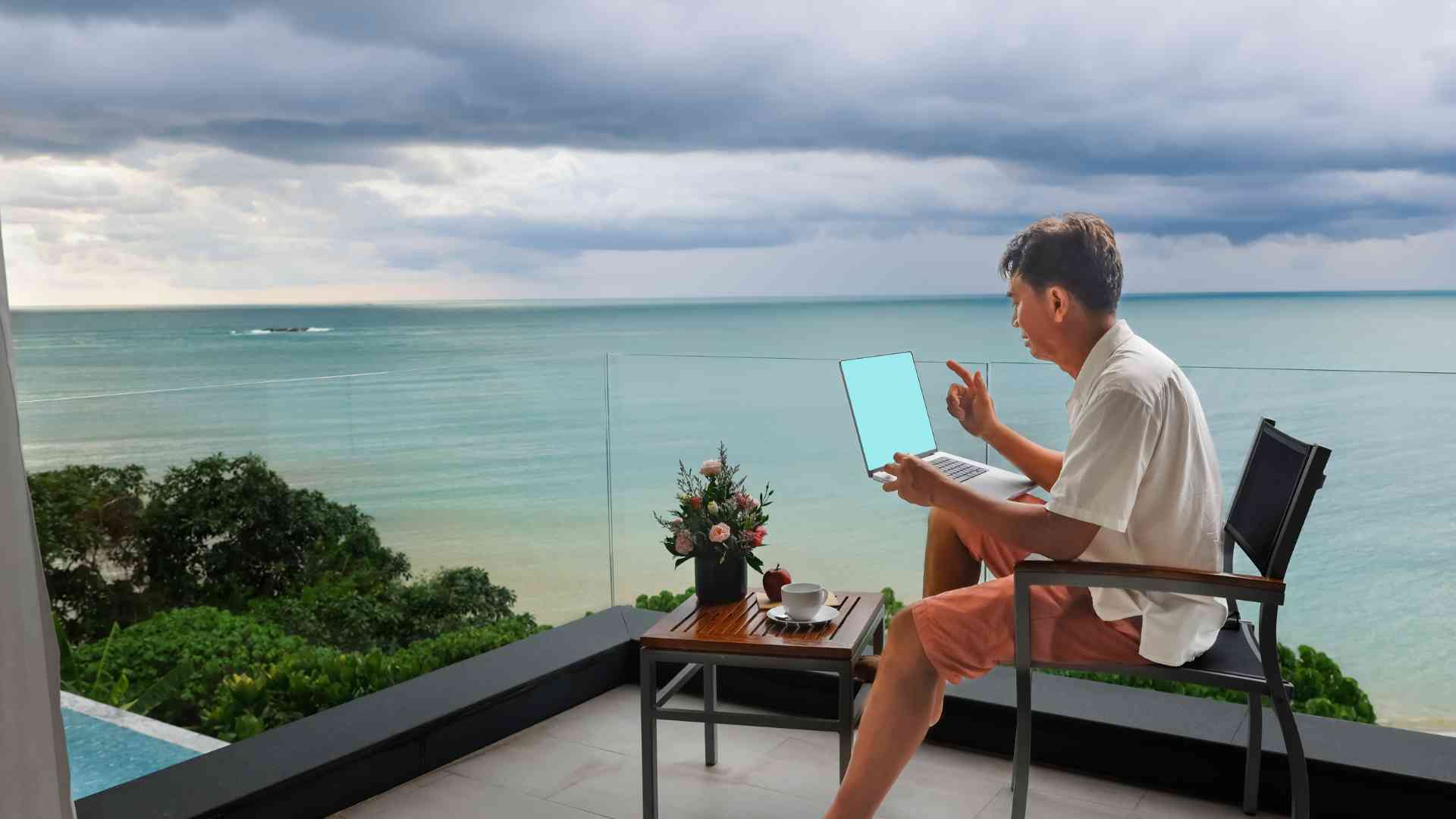
What are the negatives of being a digital nomad?
Discover the negatives of being a digital nomad: social isolation, financial instability, work-life balance issues, and more. Plan smarter for your journey.
The digital nomad lifestyle – working remotely while traveling the world – has gained immense popularity, fueled by the promise of freedom, adventure, and the ability to live in vibrant, low-cost destinations. Social media often paints a rosy picture of sipping coffee in Bali or coding from a beachside café in Thailand. However, beneath the allure lies a set of challenges that can make this lifestyle far more complex than it appears. From social isolation to financial instability, the negatives of being a digital nomad demand careful consideration for anyone contemplating this path. This article explores these drawbacks in depth, offering practical insights and strategies to navigate them, ensuring aspiring nomads are well-prepared for the journey ahead.
Social Isolation and Loneliness
One of the most significant challenges digital nomads face is social isolation. Constant movement makes it difficult to build deep, lasting relationships. Unlike a traditional workplace or hometown, where consistent interactions foster strong bonds, the nomadic lifestyle often involves short stays in new places. This transient nature can lead to fleeting connections with fellow travelers or locals, leaving nomads feeling disconnected.
Difficulty Building Relationships
Forming meaningful relationships requires time and shared experiences, both of which are limited when you’re relocating every few weeks or months. Hostels and co-working spaces offer opportunities to meet people, but these interactions are often shallow, centered around brief encounters or networking rather than genuine friendship. As one Reddit user, HeadTripDrama, noted, “The hostel scene will eventually get old, and depending on your age when you start, it may not be available to you at all. Most of your social interaction will be shallow and networking-based.”
For nomads who don’t speak the local language, the challenge intensifies. For example, a nomad in Mexico with only passable Spanish may struggle to connect with locals or expats who speak different languages, such as French or Italian. This language barrier can exacerbate feelings of loneliness, especially in destinations where English isn’t widely spoken.
Lack of Community
The absence of a stable community is another hurdle. Traditional workplaces provide a built-in social structure – colleagues, team lunches, and after-work drinks. Digital nomads, however, often work alone from cafés, co-working spaces, or Airbnbs, missing out on the camaraderie of a fixed workplace. The lack of a consistent support system can lead to feelings of alienation, particularly during challenging times.
Disconnection from Home
Maintaining ties with family and friends back home is equally difficult. Time zone differences and physical distance can strain relationships. Missing significant events like birthdays, weddings, or graduations can lead to regret and guilt. As Reddit user blingless8 shared, “Losing touch with friends and family back home, missing birthdays, weddings, important events” is a common downside. To mitigate this, nomads can schedule regular video calls or plan visits home, but these efforts require deliberate planning and may not fully bridge the gap.
Strategies to Combat Loneliness
To address social isolation, nomads can:
- Join digital nomad communities: Platforms like Nomad List or local meetups in cities like Chiang Mai or Medellín offer opportunities to connect with like-minded individuals.
- Learn the local language: Even basic proficiency can open doors to deeper connections with locals, as one nomad in Medellín noted after taking Spanish lessons.
- Stay connected via social media: Following fellow nomads on Instagram or WhatsApp groups helps maintain relationships across distances.
- Seek co-living spaces: These environments combine housing and co-working, fostering a sense of community among residents.
Financial Instability and Uncertainty
The financial aspect of the digital nomad lifestyle is another major challenge. While the ability to live in low-cost countries can stretch income further, the reality of inconsistent earnings and unpredictable expenses often creates financial stress.
Fluctuating Income
Many digital nomads rely on freelance or contract-based work, which can lead to unpredictable income streams. A graphic designer might land a lucrative project one month but struggle to find clients the next. This irregularity makes budgeting and saving difficult, especially for long-term travel. As one nomad, ausrixy22, pointed out, “Many digital nomads have a mix of freelance work and their own projects to make enough income to fund their travels. This can make it difficult to predict earnings.”
Variable Expenses
The cost of living varies significantly across destinations. A nomad might enjoy affordable rent in Southeast Asia but face steep prices in Western Europe. Short-term rentals, often the go-to for nomads, can be expensive compared to long-term leases, and hidden costs like visa fees, travel insurance, or coworking space memberships add up. For example, a one-month Airbnb in Lisbon might cost $1,500, while a similar stay in Chiang Mai could be $500.
| Destination | Average Monthly Rent (1-Bedroom) | Average Daily Food Cost | Co-working Space (Monthly) |
|---|---|---|---|
| Chiang Mai, Thailand | $400–$600 | $5–$10 | $100–$200 |
| Lisbon, Portugal | $1,200–$1,800 | $10–$20 | $150–$300 |
| Medellín, Colombia | $500–$800 | $6–$12 | $80–$150 |
Healthcare Costs
Accessing healthcare abroad is a significant concern. Many countries lack affordable or reliable medical services for foreigners, and travel insurance may not cover pre-existing conditions or emergencies. Nomads with chronic conditions, such as asthma, must ensure access to medications, which can be challenging in remote areas. One Reddit user highlighted the difficulty of “understanding local health systems,” which varies by country and requires research.
Strategies for Financial Stability
To manage financial instability, nomads can:
- Diversify income streams: Combining freelance work, a part-time remote job, or passive income (e.g., online courses) can provide stability.
- Budget for variability: Set aside an emergency fund covering 3–6 months of expenses to cushion lean periods.
- Research costs in advance: Use platforms like Numbeo to estimate living expenses in potential destinations.
- Invest in travel insurance: Policies like those from SafetyWing (starting at $45/month) offer coverage for medical emergencies and trip cancellations.
Maintaining Work-Life Balance
The freedom to work from anywhere can blur the lines between work and personal life, leading to burnout and reduced productivity.
Blurred Boundaries
Without a fixed office, nomads often work from their living spaces – be it an Airbnb, café, or co-working space. This lack of separation makes it hard to “switch off.” As ausrixy22 noted, “The lack of a consistent work environment can make it difficult to establish a routine, leading to burnout and stress.” The temptation to check emails or finish tasks late at night can erode personal time.
Productivity Challenges
New environments, while exciting, can be distracting. Noisy cafés, unreliable Wi-Fi, or uncomfortable setups (e.g., a small laptop screen versus a dual-monitor desk) hinder focus. Reddit user emphasized, “You’re not as productive no matter what people say. There’s nothing like a good chair, big monitor, familiar environment.” For coders or writers requiring deep focus, these conditions can be particularly detrimental.
Burnout
The pressure to balance work, travel logistics, and exploration can lead to exhaustion. Constantly adapting to new time zones, cultures, and routines takes a mental toll. Jet lag, irregular schedules, and the need to always be “on” exacerbate this risk. One nomad shared, “Mental health problems (jet lag, weird schedules, traveling to avoid dealing with personal issues)” are common.
Strategies for Work-Life Balance
To maintain balance, nomads can:
- Set boundaries: Designate specific work hours and stick to them, using tools like Google Calendar to block off personal time.
- Invest in a portable setup: A lightweight ergonomic chair or external monitor can improve workspace comfort.
- Book co-working spaces: Facilities like WeWork or Selina offer reliable Wi-Fi and quiet environments, ideal for important calls or focused work.
- Practice self-care: Regular exercise, meditation, or journaling can combat burnout and maintain mental health.
Practical Challenges
The logistics of the digital nomad lifestyle present a host of practical hurdles that can disrupt work and daily life.
Unreliable Internet
Reliable internet is the backbone of remote work, yet many destinations suffer from slow or inconsistent connections. A nomad in a rural Airbnb might face outages during a critical meeting, as ausrixy22 experienced when their Wi-Fi failed before a call. Researching backup options, like nearby cafés or portable hotspots, is essential.
Visa and Legal Issues
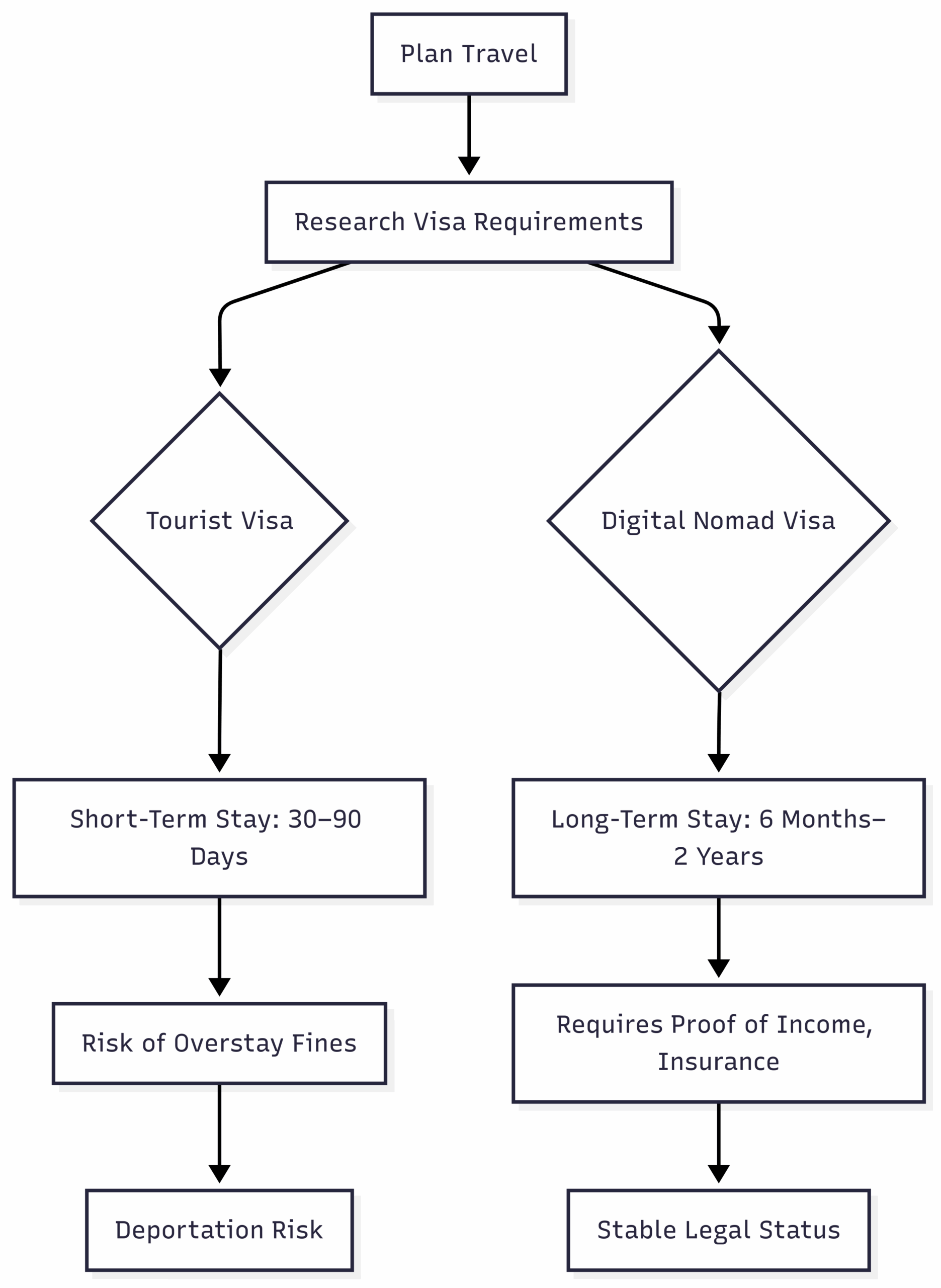
Navigating visa requirements is a complex and time-consuming process. Many countries have strict rules for stays beyond 90 days, and working remotely on a tourist visa can violate local laws. For example, Thailand’s tourist visa allows a 60-day stay (extendable by 30 days), but working without a proper visa risks fines or deportation. The process of obtaining digital nomad visas, like Portugal’s or Croatia’s, involves paperwork and proof of income, adding to the administrative burden.
Finding Suitable Housing
Short-term rentals like Airbnb or Booking.com are convenient but often pricier than long-term leases. Availability can also be an issue in popular nomad hubs like Bali or Lisbon, especially during peak seasons. Co-living spaces, which combine housing and workspaces, are an alternative but may not suit everyone’s budget or preferences.
Adapting to New Environments
Constantly adjusting to new cultures, languages, and systems- such as local banking, public transport, or tax regulations – can be exhausting. As Reddit user back-off-warchild noted, “Understanding local systems… setting up a bank account, understanding local tax, how to buy a bus ticket” is a significant challenge. This learning curve can feel overwhelming, especially for new nomads.
Strategies to Overcome Practical Challenges
- Research internet reliability: Use sites like Speedtest.net or Nomad List to check average Wi-Fi speeds in a destination.
- Plan visa strategies: Consult resources like anchorless.io for guidance on digital nomad visas and legal requirements.
- Book housing early: Secure accommodations 2–3 months in advance during peak seasons to avoid high prices or unavailability.
- Learn basic local phrases: Knowing key words in the local language can ease daily interactions, from ordering food to navigating public transport.
Health and Well-Being Concerns
The nomadic lifestyle can take a toll on both physical and mental health, particularly due to its lack of routine and access to consistent care.
Physical Health
Frequent travel disrupts healthy habits like regular exercise or balanced diets. Eating out, while tempting, can lead to poor nutrition, especially in destinations with limited grocery options. Nomads with medical conditions must plan carefully to ensure access to medications or treatments. For instance, finding specific asthma inhalers in rural areas can be challenging.
Mental Health
The constant change of environments, combined with isolation and work stress, increases the risk of anxiety or depression. Reddit user highlighted “mental health problems” stemming from jet lag and irregular schedules. Some nomads use travel to escape personal issues, only to find these problems resurface in new settings, as seen in posts like, “I broke up with my boyfriend. Now I’m depressed on a beach in Thailand.”
Strategies for Health Maintenance
- Prioritize routine: Stick to a consistent sleep schedule and incorporate exercise, even if it’s a daily walk.
- Balance dining: Cook simple meals at home to complement local cuisine, ensuring proper nutrition.
- Secure health insurance: Plans like World Nomads (starting at $50/month) cover emergencies and routine care in multiple countries.
- Seek mental health support: Online therapy platforms like BetterHelp offer flexible access to counselors, ideal for nomads.
Other Potential Drawbacks
Beyond the core challenges, several additional negatives can impact the digital nomad experience.
Gentrification Concerns
In popular nomad hubs like Bali or Medellín, the influx of remote workers can drive up housing costs, displacing locals. Reddit user noted, “You’ll be jacking up local prices under the pretense of supporting the local economy.” This ethical concern weighs on some nomads, who strive to contribute positively by supporting local businesses.
Limited Access to Resources
Some destinations lack amenities like reliable gyms, high-quality workspaces, or specialized services (e.g., vegan restaurants). Nomads accustomed to certain comforts, like a home gym or large wardrobe, may feel restricted, as one user lamented not being able to fit a grand piano in their suitcase.
Difficulty Planning for the Future
The nomadic lifestyle can make long-term planning challenging. Constant movement hinders commitments like starting a family, buying property, or building a stable career. Reddit user the-distancer shared, “I have the classic American dream… and I feel guilty/confused for missing the thrill and perpetual curiosity of traveling.” This tension between freedom and stability is a recurring theme.
Possessions and Minimalism
Many nomads adopt a minimalist lifestyle, selling possessions to travel light. While liberating for some, this can be a drawback for those who value personal belongings. As ausrixy22 explained, “I live out of a suitcase full-time, so I had to get rid of almost everything that I owned.” Choosing the right type of nomadism – van life, part-time travel, or suitcase living – can mitigate this issue.
Self-Motivation
The digital nomad lifestyle demands high self-discipline. Without the structure of a 9-to-5 job, staying motivated can be tough, especially in distracting environments. Ausrixy22 emphasized, “Self-motivation is the number one item that will prevent many people from becoming digital nomads.” Those who struggle with procrastination may find the lifestyle unsustainable.
Conclusion
The digital nomad lifestyle offers unparalleled freedom, but it comes with significant challenges: social isolation, financial instability, work-life balance issues, practical hurdles, and health concerns. These negatives don’t make the lifestyle impossible, but they require careful planning and self-awareness. By researching destinations, building communities, securing reliable income, and prioritizing health, nomads can mitigate these drawbacks and create a sustainable, fulfilling journey.
Aspiring nomads should approach the lifestyle with eyes wide open, balancing the dream of global exploration with the realities of constant adaptation. As one Reddit user wisely advised, “If you’re aware of the potential drawbacks and have a plan in place to mitigate them, you’ll be better prepared for your journey ahead.” Whether you’re chasing sunsets in Bali or coding in a Lisbon café, preparation is the key to thriving as a digital nomad.
Please share this What are the negatives of being a digital nomad? with your friends and do a comment below about your feedback.
We will meet you on next article.
Until you can read, Where to Live in Costa Rica as a Digital Nomad? Guide