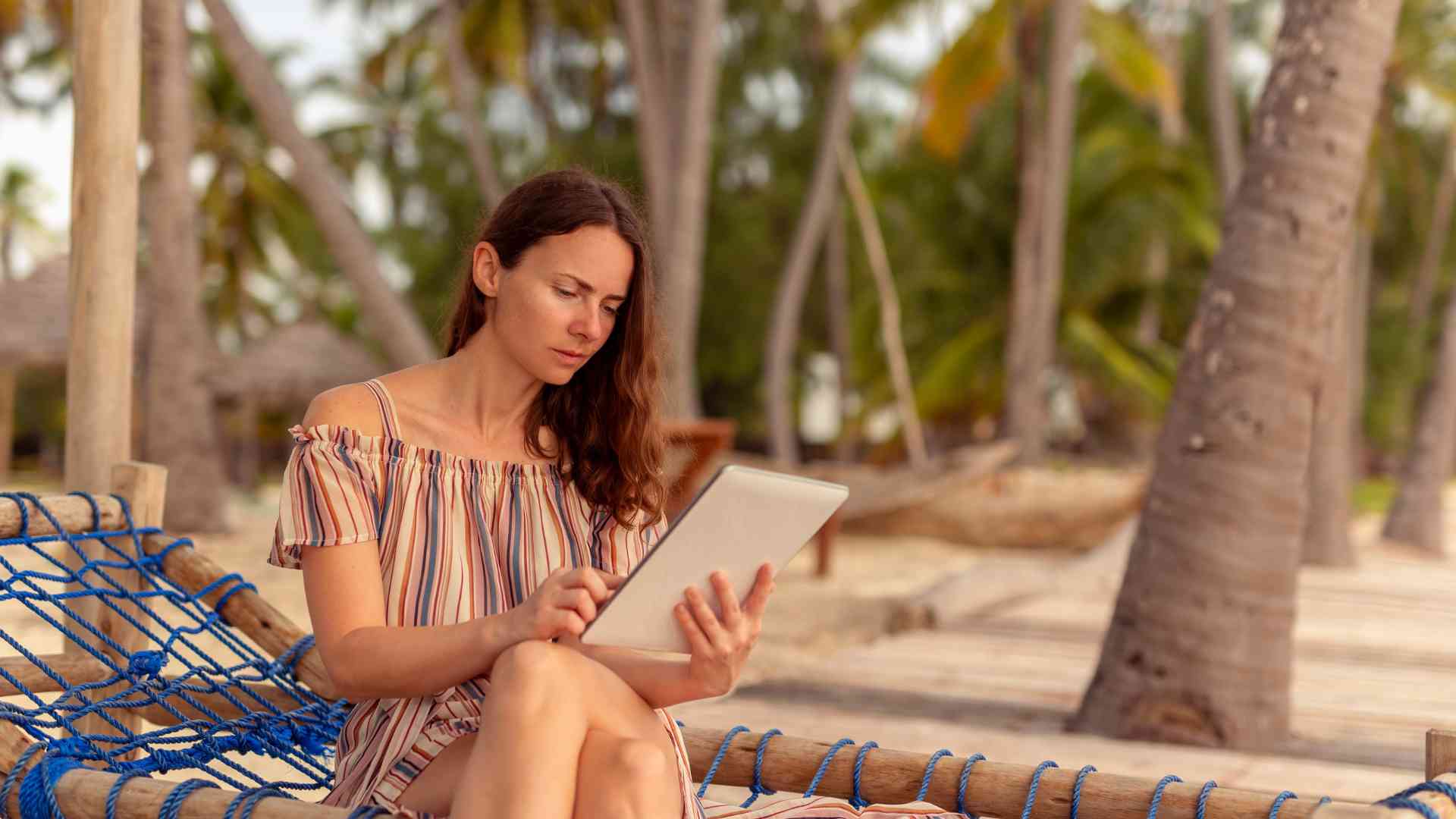
The pros and cons of being a digital nomad
Discover the pros and cons of being a digital nomad: freedom, cultural immersion, and flexibility vs. loneliness, instability, and visa challenges.
The digital nomad lifestyle has captured the imagination of many, offering the tantalizing promise of working from exotic beaches, bustling city cafes, or serene mountain retreats. Enabled by technology, digital nomads leverage remote work to blend professional responsibilities with a passion for travel. However, while the allure of freedom and adventure is strong, the lifestyle comes with its own set of challenges. This article explores the pros and cons of being a digital nomad, providing a detailed guide for those considering this path. From unparalleled flexibility to the hurdles of loneliness and visa complexities, we’ll cover what it truly means to live and work on the move.
What Is a Digital Nomad?
A digital nomad is a remote worker who uses technology to perform their job while traveling or living in various locations worldwide. Unlike traditional employees tied to a physical office, digital nomads work from coffee shops, coworking spaces, or even temporary accommodations like Airbnb rentals. The lifestyle is defined by mobility, with some nomads staying in one place for months to immerse themselves in the local culture, while others move frequently, chasing new experiences. The rise of remote work platforms like FlexJobs and digital nomad visas in countries such as Portugal and Estonia has made this lifestyle more accessible than ever.
Digital nomads differ from location-independent workers, who may have a home base but occasionally work remotely while traveling. Digital nomads, by contrast, often lack a permanent residence, fully embracing a transient lifestyle. This distinction is crucial for understanding the unique opportunities and challenges of nomadism.
The Pros of Being a Digital Nomad
The digital nomad lifestyle offers a range of benefits that attract adventurers, creatives, and professionals seeking flexibility. Below are the key advantages, grounded in real-world experiences and practical considerations.
1. Unmatched Freedom and Flexibility
The hallmark of the digital nomad lifestyle is the ability to work from anywhere with a reliable internet connection. Whether it’s a cafe in Lisbon, a coworking space in Chiang Mai, or a rented villa in Bali, nomads can choose their workspace based on personal preference or travel goals. This freedom extends to scheduling as well. Without the constraints of a 9-to-5 office, nomads can structure their days to align with their productivity peaks or personal pursuits, such as exploring a new city or attending a cultural festival.
For example, a nomad might spend summers in Europe, enjoying mild weather and vibrant festivals, and winters in Southeast Asia, where the cost of living is lower. This flexibility allows for a tailored lifestyle that prioritizes personal fulfillment over rigid routines.
2. Lower Cost of Living
Many digital nomads choose destinations with a lower cost of living than their home countries, stretching their income further. Countries like Thailand, Mexico, and Georgia offer affordable accommodations, food, and transportation, enabling nomads to maintain or even elevate their quality of life. For instance, renting a modern apartment in Mexico City might cost $400–$800 per month, compared to $2,000 or more in cities like New York or London.
| Destination | Monthly Cost of Living (USD) | Key Benefits |
|---|---|---|
| Chiang Mai, Thailand | $600–$1,200 | Affordable housing, vibrant coworking scene |
| Mexico City, Mexico | $700–$1,500 | Rich culture, reliable internet |
| Tbilisi, Georgia | $500–$1,000 | Low costs, welcoming digital nomad community |
| New York, USA | $3,000–$5,000 | High costs, urban amenities |
By strategically choosing destinations, nomads can save significantly on expenses like housing and utilities, freeing up funds for travel or personal investments.
3. Cultural Immersion and Personal Growth
Living in different countries exposes digital nomads to diverse cultures, languages, and traditions. Unlike short-term tourism, nomadism allows for deeper engagement with local communities, fostering a greater understanding of global perspectives. For example, spending months in Japan might involve learning basic Japanese, participating in local festivals, or forming friendships with residents, all of which broaden one’s worldview.
This immersion drives personal growth. Navigating unfamiliar environments—whether it’s mastering a new public transit system or adapting to local customs—builds resilience, problem-solving skills, and adaptability. These experiences often lead to increased self-awareness and confidence, qualities that enhance both personal and professional life.
4. Enhanced Work-Life Balance
The flexibility of the digital nomad lifestyle can lead to a better work-life balance. Without long commutes or rigid office hours, nomads can allocate time for hobbies, exercise, or exploration. For instance, a nomad in Costa Rica might start their day with a surf session, work from a coworking space in the afternoon, and explore a rainforest in the evening. This ability to integrate work with personal passions can reduce stress and increase overall satisfaction.
5. Global Networking and Creativity
Digital nomads connect with diverse professionals and travelers, building a worldwide network that can lead to new opportunities. Coworking spaces and nomad meetups facilitate collaborations with individuals from different industries and cultures, sparking creativity. Exposure to new environments also stimulates innovative thinking. A graphic designer in Vietnam, for example, might draw inspiration from local art, leading to unique project ideas.
6. Simplified Lifestyle
The nomadic lifestyle encourages minimalism. With limited luggage space, nomads prioritize essentials, reducing clutter and material attachments. This simplicity extends to digital tools, with cloud-based solutions like Google Drive or Notion streamlining workflows. A lean lifestyle fosters focus on experiences over possessions, aligning with the nomad’s pursuit of freedom.
The Cons of Being a Digital Nomad
While the benefits are compelling, the digital nomad lifestyle presents significant challenges that require careful consideration. Below are the primary drawbacks, supported by practical insights.
1. Loneliness and Isolation
Frequent moves can make it difficult to build lasting relationships. While nomads may meet fellow travelers or locals, these connections are often fleeting, as either party may leave for the next destination. Missing major life events, such as weddings or family gatherings, can exacerbate feelings of isolation, particularly when time zone differences complicate communication with loved ones back home.
For example, a nomad in Asia might struggle to join a family event in the U.S. due to a 12-hour time difference. Building a support network through digital nomad communities, such as those on platforms like Nomad List or Reddit, can help mitigate loneliness, but it requires proactive effort.
2. Lack of Stability
The transient nature of nomadism means sacrificing the comforts of a permanent home. Nomads often lack a familiar bed, a favorite local cafe, or a stable routine. Accommodations may not always meet expectations, and securing reliable housing in a new destination can be stressful. Additionally, many nomads rely on freelance or contract work, which can lead to income instability. Without a steady paycheck, financial planning becomes critical.
| Aspect | Stable Lifestyle | Digital Nomad Lifestyle |
|---|---|---|
| Housing | Permanent home | Temporary rentals |
| Income | Steady salary | Variable freelance/contract work |
| Community | Established local network | Transient connections |
3. Internet Dependency
Reliable internet is the backbone of a digital nomad’s work. However, not all destinations offer consistent connectivity. Rural areas or developing countries may have slow or unreliable Wi-Fi, disrupting workflows and causing missed deadlines. Hotspots or international SIM cards are alternatives, but they can be costly and less reliable. For instance, a nomad in a remote Indonesian village might face daily outages, requiring a backup plan like a coworking space in a nearby city.

4. Visa and Travel Logistics
Navigating visa requirements is a significant hurdle. Many countries have complex regulations, and overstaying a visa can lead to fines or bans. Digital nomad visas, offered by countries like Croatia and Barbados, simplify the process, but not all destinations have such options. Researching visa rules, work permits, and tax obligations is essential to avoid legal issues. For example, a nomad planning to stay in Thailand for three months must secure a tourist visa or a digital nomad visa, if available, and comply with local regulations.
5. Health Insurance Challenges
Securing comprehensive health insurance that covers multiple countries is both complex and costly. Standard travel insurance may not suffice for long-term stays or pre-existing conditions. Companies like SafetyWing offer nomad-specific insurance, with plans starting at approximately $45 per month for basic coverage. However, nomads must ensure coverage aligns with their travel itinerary and includes access to local healthcare facilities.
| Insurance Provider | Monthly Cost (USD) | Coverage |
|---|---|---|
| SafetyWing | $45–$100 | Global medical, emergency evacuation |
| World Nomads | $50–$150 | Travel, adventure activities |
| Cigna Global | $100–$300 | Comprehensive, customizable plans |
6. Work-Life Balance Struggles
The freedom to work from anywhere can blur the lines between work and leisure. New destinations tempt nomads to explore rather than focus on tasks, while the absence of a structured office environment can lead to procrastination or overworking. Achieving balance requires discipline, such as setting clear work hours or using productivity tools like Trello to stay organized.
How to Become a Digital Nomad: A Step-by-Step Guide
Transitioning to a digital nomad lifestyle requires careful planning. Below is a roadmap to help you get started, based on practical steps and real-world considerations.
Step 1: Assess Your Suitability
Evaluate whether the nomadic lifestyle aligns with your personality and goals. Ask yourself:
- Can I handle frequent change and uncertainty?
- Am I comfortable working independently across time zones?
- Do I thrive in new environments, or do I prefer routine?
If you value stability over adventure, nomadism may be challenging. However, if you’re adaptable and crave exploration, this lifestyle could be ideal.
Step 2: Audit Your Skills
Digital nomads need skills suited for remote work. Popular roles include:
- Writing: Copywriting, content creation ($30,000–$80,000/year).
- Graphic Design: Visual design for brands ($40,000–$100,000/year).
- Software Development: Coding, app development ($60,000–$150,000/year).
- Virtual Assistance: Administrative support ($20,000–$50,000/year).
Ensure you’re proficient in digital tools like Zoom, Slack, or Asana and can communicate effectively in a remote setting.
Step 3: Plan Your Finances
Create a detailed budget covering travel, accommodation, insurance, and emergency funds. Aim for a 3–6 month emergency fund to cover income fluctuations. Research platforms like Jooble or FlexJobs to find remote jobs with stable incomes, which can range from $2,000 to $10,000 per month depending on the role and experience.
Step 4: Choose Destinations
Select destinations based on cost, internet reliability, and visa policies. Popular choices include:
- Lisbon, Portugal: Digital nomad visa, vibrant expat community.
- Bali, Indonesia: Affordable, strong coworking scene.
- Medellín, Colombia: Low cost, cultural richness.
Use resources like Nomad List to compare destinations based on internet speed, safety, and cost of living.
Step 5: Build a Portfolio
A strong portfolio showcases your skills to potential clients or employers. Include 3–5 high-quality projects that demonstrate your expertise. For example, a writer might highlight blog posts that drove traffic, while a designer could showcase branding projects. Keep your portfolio updated and accessible online via platforms like Behance or LinkedIn.
Step 6: Network Actively
Join digital nomad communities on platforms like Slack or Discord, attend coworking events, or participate in virtual meetups. Networking can lead to job opportunities or collaborations. For instance, a nomad in Bangkok might attend a meetup at a coworking space like The Hive, connecting with other professionals.
Step 7: Simplify Your Lifestyle
Embrace minimalism by reducing possessions to a carry-on suitcase. Invest in lightweight tech, such as a reliable laptop (e.g., MacBook Air, ~$1,200) and portable Wi-Fi devices (~$50–$100). Use cloud-based tools to keep your work accessible and organized.
Step 8: Secure Remote Work
Target remote-first companies or freelance opportunities. Platforms like FlexJobs offer verified remote job listings, with subscriptions starting at $24.95/month. Tailor your resume to highlight remote work skills, such as adaptability and digital collaboration.
Strategies to Mitigate Challenges
To thrive as a digital nomad, proactive strategies can address common challenges:
- Combat Loneliness: Join online communities like Nomad List or attend local meetups to build connections.
- Ensure Stability: Stay in destinations longer (e.g., 3–6 months) to establish routines and local networks.
- Secure Reliable Internet: Research coworking spaces or invest in a global SIM card for backup connectivity.
- Manage Finances: Diversify income streams and maintain an emergency fund to buffer income fluctuations.
- Plan for Health: Use nomad-specific insurance like SafetyWing and research local healthcare options in advance.
Is the Digital Nomad Lifestyle Right for You?
The digital nomad lifestyle offers unparalleled freedom, cultural richness, and personal growth, but it demands resilience, discipline, and careful planning. The ability to work from a cafe in Paris or a beach in Thailand is exhilarating, but challenges like loneliness, unstable income, and visa complexities require preparation. By understanding the pros and cons, assessing your suitability, and following a structured plan, you can determine if this lifestyle aligns with your goals.
For those ready to take the plunge, platforms like FlexJobs and Jooble provide resources to find remote work, while communities like Nomad List offer support and insights. Whether you’re drawn to the adventure of new cultures or the flexibility of a location-independent career, the digital nomad lifestyle can be a rewarding journey—if you’re prepared for the road ahead.
We will meet you on next article.
Until you can read, 7 Disadvantages of the Digital Nomad Lifestyle: Guide