The Downside to Life as a Digital Nomad
Explore the downsides of digital nomadism, from isolation to financial instability, and learn how to balance its challenges with its rewards.
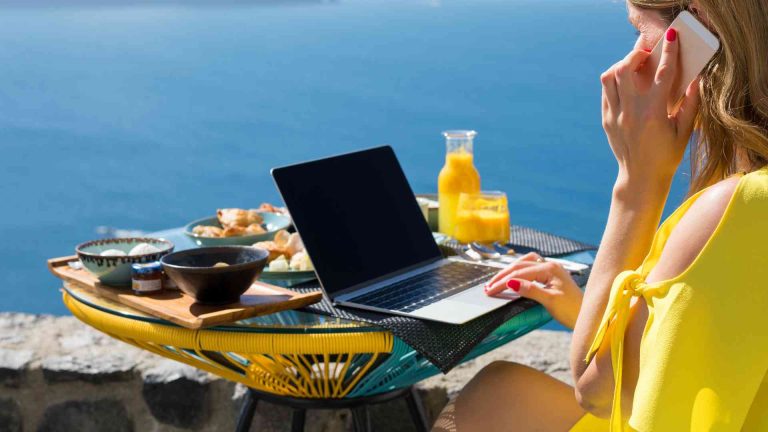
Digital nomadism has surged in popularity, fueled by technological advancements and a cultural shift toward flexibility and adventure. The ability to work remotely from anywhere in the world—whether a bustling café in Bangkok or a serene beach in Bali—has captivated millions. The lifestyle promises freedom, cultural immersion, and the potential for a higher quality of life at a lower cost. However, beneath the Instagram-worthy snapshots of laptops by the ocean lies a complex reality. While digital nomadism offers undeniable benefits, it also comes with significant challenges that can make or break the experience. This article delves into the downsides of the digital nomad lifestyle, offering a balanced perspective for those considering this path.
The Allure of Digital Nomadism
The rise of digital nomadism can be traced back to Tim Ferriss’s The 4-Hour Work Week, published in 2007, which introduced the concept of location independence. The book inspired a generation to leverage technology for remote work, passive income, and global exploration. Today, digital nomads—individuals who use technology to work remotely while traveling—are a growing demographic. Social media platforms like Instagram have further popularized the lifestyle, showcasing enviable images of remote workers in exotic locales.
The benefits are compelling:
- Freedom and Flexibility: Digital nomads can set their own schedules and work from virtually anywhere, breaking free from the 9-to-5 office grind.
- Travel and Cultural Immersion: The lifestyle allows for exploration of new cultures, cuisines, and communities, enriching personal experiences.
- Cost-of-Living Advantages: Many nomads relocate to countries with lower living costs, stretching their income further. For example, a $3,000 monthly income can afford a comfortable lifestyle in Chiang Mai, Thailand, compared to a modest one in San Francisco.
- Personal Growth: Adapting to new environments fosters resilience, problem-solving, and adaptability.
- Income Potential: Skilled nomads in fields like software development or digital marketing can command high incomes, often surpassing local wages in their host countries.
Yet, these advantages come with trade-offs. The romanticized view of digital nomadism often glosses over its challenges, leaving aspiring nomads unprepared for the realities.
The Hidden Downsides of Digital Nomadism
While the benefits are well-publicized, the downsides are less frequently discussed. These challenges can significantly impact mental health, financial stability, and overall quality of life.
1. Isolation and Loneliness
One of the most significant drawbacks of digital nomadism is the potential for isolation. The transient nature of the lifestyle means nomads are constantly on the move, making it difficult to form lasting connections. While hostels, coworking spaces, and expat meetups offer opportunities to meet others, these relationships are often fleeting. A friend made in Medellín may move on to Lisbon, while you head to Bali, leaving little time to build deep bonds.
Humans are inherently social creatures, and the lack of a stable community can take a toll. As one long-term nomad shared, “The hundredth beautiful waterfall is just less beautiful when you have no one to share it with.” Locals, aware of a nomad’s temporary stay, may hesitate to invest in friendships, and expats often form insular “bubbles,” limiting cultural integration. Over time, this can lead to loneliness, particularly for older nomads who crave stability as the novelty of constant travel fades.
2. Work-Life Balance Struggles
The freedom to work from anywhere can blur the lines between work and leisure. Unlike a traditional office job with clear boundaries, digital nomads often find themselves working odd hours to accommodate clients across time zones. A nomad in Paris might take a 10 p.m. email or a 7 a.m. Zoom call, leaving little time for exploration or relaxation. This constant juggling of work and play can lead to burnout, as the mind rarely gets proper downtime.
The internet’s omnipresence exacerbates this issue. Without discipline, work can infiltrate every aspect of life, making it hard to “clock out.” A 2021 study by the International Workplace Group found that 73% of remote workers struggled with work-life balance, with digital nomads reporting even higher rates due to the lack of a fixed routine.
3. Financial Instability
While some nomads earn high incomes, many rely on freelance or contract work, which can be unpredictable. Clients may delay payments, projects may dry up, or unexpected expenses—like international healthcare—can strain budgets. For example, a nomad in Thailand might face a $1,500 hospital bill for a minor procedure, a cost not always covered by standard travel insurance.
Living in low-cost countries can mitigate financial strain, but it doesn’t eliminate it. Currency fluctuations, rising costs in popular nomad hubs, and the need for reliable Wi-Fi or coworking spaces add up. Nomads must also plan for taxes, retirement, and long-term savings, which can be challenging without a stable income or employer benefits.
4. Legal and Visa Complexities
Navigating visa requirements is a persistent challenge. Many countries lack clear regulations for digital nomads, forcing them to rely on tourist visas, which may not permit long-term stays or remote work. Overstaying a visa or working illegally can result in fines, deportation, or bans. For instance, the Schengen Area limits non-EU citizens to 90 days within a 180-day period, complicating extended stays in Europe.
Some countries, like Portugal and Thailand, have introduced digital nomad visas, but these often come with strict requirements, such as minimum income thresholds or proof of employment. Keeping up with changing regulations across multiple countries requires time and research, adding stress to the lifestyle.
5. Cultural and Language Barriers
Adapting to new cultures and languages can be both enriching and exhausting. Misunderstandings due to language barriers or cultural faux pas can create friction with locals. For example, a nomad in Japan might struggle to navigate daily life without basic Japanese language skills, as English is not widely spoken outside major cities. Building meaningful connections with locals is also challenging when stays are short-term, further contributing to feelings of isolation.
6. Lack of Stability and Routine
The constant movement inherent in digital nomadism disrupts routines. Finding a reliable gym, grocery store, or favorite café becomes difficult when you’re relocating every few months. This lack of stability can make it hard to maintain healthy habits or a sense of home. As one nomad put it, “Trees only grow when they have roots.” The absence of a fixed base can lead to fatigue, prompting many nomads to eventually settle in one place.
Economic and Social Impacts on Host Countries
Digital nomads can significantly influence the economies and communities of their host countries, for better or worse.
Positive Impacts
- Economic Boost: Nomads inject money into local economies, supporting businesses like cafés, coworking spaces, and accommodations. In Chiang Mai, Thailand, the influx of nomads has led to a boom in coworking spaces, with over 20 facilities now catering to remote workers.
- Infrastructure Improvements: Increased demand can lead to better internet, transportation, and public services, benefiting locals and nomads alike.
- Knowledge Sharing: Nomads with specialized skills, such as coding or marketing, may mentor locals, fostering skill development and job opportunities.
- Promotion of Lesser-Known Areas: By choosing off-the-beaten-path destinations, nomads can bring economic activity to rural or underdeveloped regions.
Negative Impacts
- Rising Costs: The influx of wealthier nomads can drive up prices, particularly for housing. In Lisbon, Portugal, rent prices rose 37% between 2016 and 2022, partly due to the influx of nomads and tourists, pricing out locals.
- Expat Bubbles: When nomads stick to expat communities, they may fail to integrate, creating resentment among locals who feel excluded from economic benefits.
- Strain on Resources: Popular nomad hubs like Bali and Medellín face overcrowding, traffic, and resource shortages, impacting local quality of life.
Balancing the Impact
Countries can mitigate negative effects through policies like digital nomad visas with housing requirements or incentives to attract nomads to less-touristed areas. For example, Fukuoka, Japan, promotes itself as a nomad-friendly city to ease pressure on Tokyo and Kyoto.

What Makes a “Good” Digital Nomad?
A “good” digital nomad respects their host country’s culture and contributes positively to the community. Key traits include:
- Cultural Sensitivity: Learning basic local phrases and customs shows respect and fosters goodwill.
- Supporting Local Businesses: Choosing local shops over international chains ensures economic benefits reach the community.
- Knowledge Sharing: Engaging in mentorship or workshops can empower locals with new skills.
- Responsible Travel: Staying within visa limits and minimizing environmental impact reflects ethical nomadism.
Nomads who integrate rather than isolate themselves help bridge cultural gaps, creating a more harmonious coexistence.
Practical Challenges and Solutions
Wi-Fi Dependency
Reliable internet is the backbone of digital nomadism, yet many destinations—especially rural or budget-friendly ones—lack consistent connectivity. A nomad in a remote Thai village might struggle with a 2 Mbps connection, insufficient for video calls.
Solution: Invest in accommodations with verified high-speed Wi-Fi or use mobile data plans with 4G/5G coverage. Tools like Speedtest.net can help assess connectivity before booking.
Healthcare and Insurance
Healthcare costs vary widely, and nomads often lack access to local systems. A sprained ankle in Vietnam might cost $200, while the same injury in the U.S. could exceed $1,000 without insurance.
Solution: Purchase comprehensive travel insurance from providers like SafetyWing or World Nomads, which cover medical emergencies and trip disruptions.
Visa Navigation
Visa regulations can be a maze. For example, Thailand’s digital nomad visa requires a minimum income of $80,000 annually, out of reach for many freelancers.
Solution: Research visa options through resources like VisaHQ or Where Can I Live, and consider countries with nomad-friendly policies, such as Estonia or Barbados.
Is Digital Nomadism Sustainable?
The sustainability of the digital nomad lifestyle depends on individual temperament and planning. For some, the freedom and adventure outweigh the challenges, especially in the short term. Others find the lack of stability and community unsustainable, leading to burnout. Data from a 2023 Nomad List survey showed that 42% of digital nomads settle in one location within five years, seeking the stability they once eschewed.
To make the lifestyle sustainable:
- Set Boundaries: Establish clear work hours to prevent burnout. Tools like Toggl can track work time to maintain balance.
- Build a Community: Join coworking spaces or online communities like Nomad List to connect with others.
- Plan Finances: Create a budget that accounts for fluctuating income, taxes, and emergency savings. Apps like YNAB (You Need A Budget) can help.
- Embrace Slow Travel: Staying in one place for several months allows for deeper connections and routines.
The Ethical Question: Is It Fair?
Digital nomads often engage in “geoarbitrage,” leveraging higher incomes in lower-cost countries to live more comfortably. While this benefits the nomad, it can contribute to local inflation and displacement. For example, a nomad earning $5,000 monthly in Mexico City can afford a luxury apartment, while a local earning $800 may struggle with rising rents. Ethical nomads reflect on their impact and strive to contribute positively, whether through local spending or cultural engagement.
The Way Forward
Digital nomadism is neither inherently good nor bad—it’s a lifestyle that amplifies both opportunities and challenges. Countries can harness its benefits by implementing policies that balance economic gains with local needs. Nomads, meanwhile, must approach the lifestyle with realism, preparing for its downsides while maximizing its rewards.
For those considering the leap, the key is self-awareness. Understand your tolerance for instability, your need for community, and your financial resilience. The digital nomad lifestyle can be a transformative journey, but it’s not a one-size-fits-all solution. By embracing its challenges with intention and respect, you can craft a life that balances freedom with fulfillment.
Resources for Aspiring Nomads
| Category | Resource | Description | Cost |
|---|---|---|---|
| Flights | Skyscanner | Searches global airlines for cheap flights | Free |
| Accommodation | Hostelworld, Booking.com | Budget hostels and hotels | Varies ($10-$100/night) |
| Insurance | SafetyWing | Nomad-specific travel insurance | $45-$200/month |
| Coworking | Coworker | Directory of global coworking spaces | $5-$50/day |
| Visa Info | VisaHQ | Visa requirements by nationality | Free |
Conclusion
Digital nomadism offers a tantalizing vision of freedom, but it’s not without its shadows. Loneliness, financial uncertainty, and cultural challenges can temper the allure of working from a beachside café. Yet, with careful planning and a commitment to ethical travel, nomads can mitigate these downsides and create a fulfilling lifestyle. The key is balance – embracing the adventure while grounding yourself in routines, communities, and respect for the places you call home, however temporarily. Whether you roam for a year or a decade, the digital nomad journey is about crafting a life that aligns with your values and aspirations.
Please share this The Downside to Life as a Digital Nomad with your friends and do a comment below about your feedback.
We will meet you on next article.
Until you can read, are digital nomads cheating the rest of us

![How to Apply for the Curaçao Digital Nomad Visa [4 Steps]](https://digiwander.com/wp-content/uploads/2025/05/Storing-Books-6-768x432.jpg)