What Is the Meaning of the Parable of the Tenants?
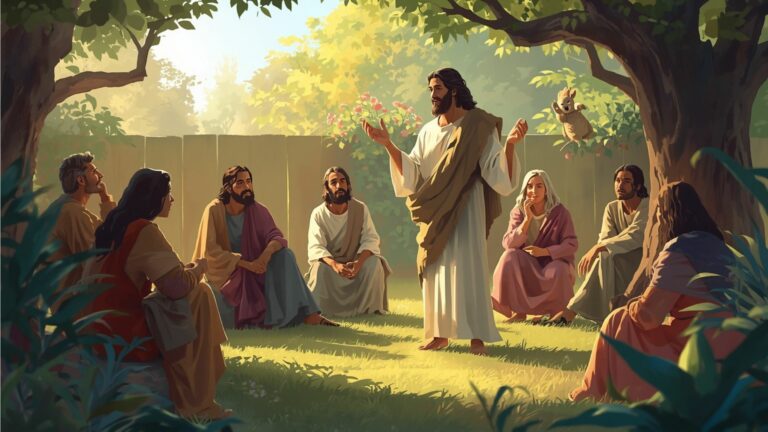
The Parable of the Tenants is one of the sharpest, most confrontational stories Jesus ever told, and He told it directly to the religious leadership of Jerusalem. It appears in all three synoptic Gospels — Matthew 21:33-46, Mark 12:1-12, and Luke 20:9-19 — and it’s built around a landowner, a vineyard, a string of mistreated servants, and a son who is murdered for his inheritance.
Unlike many of Jesus’ parables, this one didn’t need much decoding for its original audience. The chief priests and Pharisees understood exactly who they were in the story — and it made them angry enough to start planning His arrest.
This article walks through the parable’s setting, the symbolism behind each character, the Old Testament allusion embedded in it, and what it means for anyone reading it today.
The Setting: A Direct Challenge to Authority
Jesus told this parable during the final week before His crucifixion, shortly after His triumphal entry into Jerusalem and His clearing of the temple courts. The religious leaders confronted Him directly, demanding to know by what authority He was acting. Rather than answering their question outright, Jesus responded with a series of parables — this one among them — that answered the question far more pointedly than a direct statement could have.
The Story in Brief
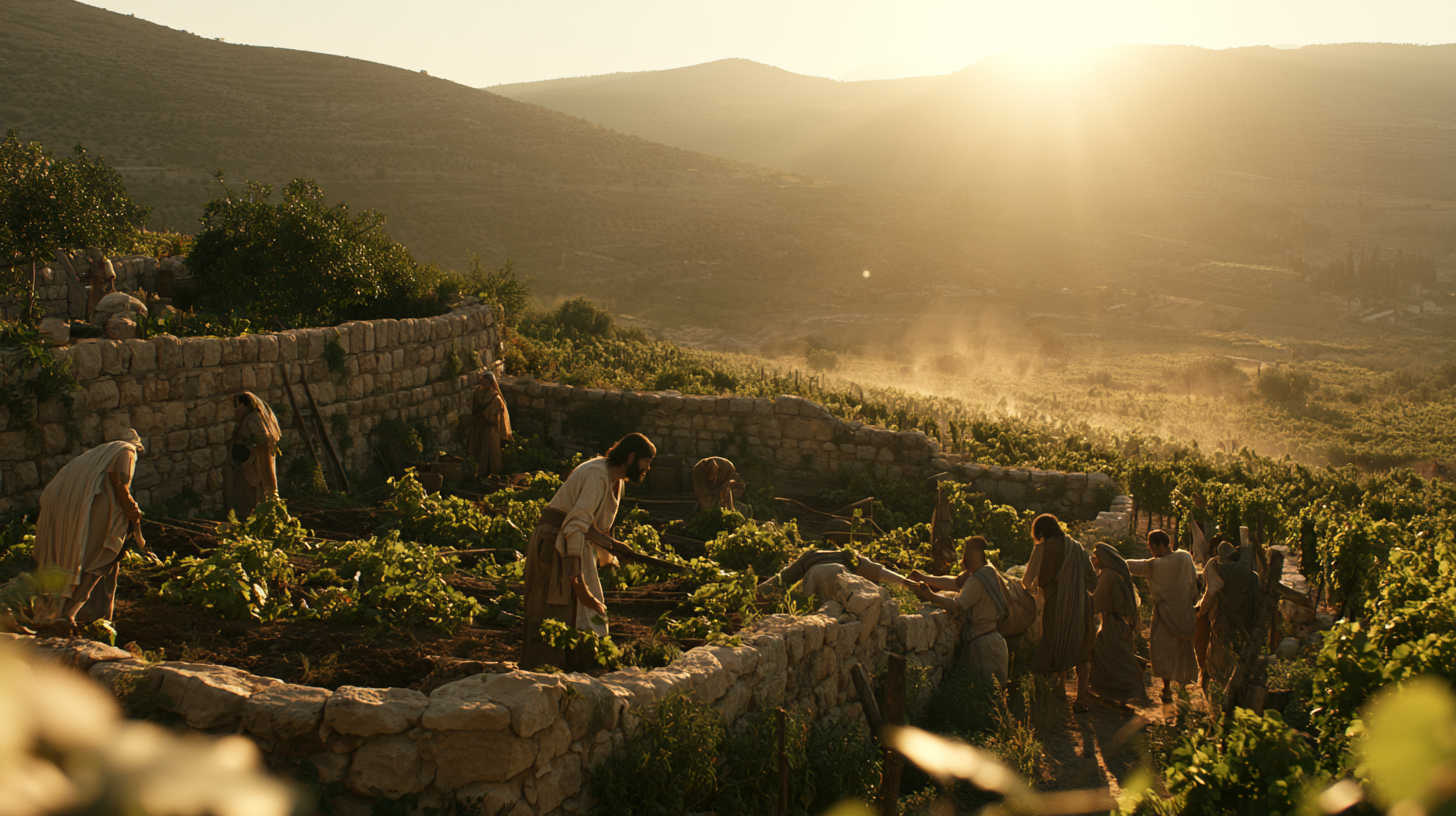
A landowner plants a vineyard, builds a protective wall around it, digs a winepress, and constructs a watchtower — standard, careful preparation for a serious agricultural investment. He leases the vineyard to tenant farmers and leaves on a long journey. At harvest time, he sends servants to collect his share of the produce.
The tenants beat one servant, kill another, and stone a third. He sends more servants, and they’re treated the same way. Finally, the landowner sends his own son, reasoning that the tenants will respect him.
Instead, the tenants see the son as their chance to seize the inheritance permanently, so they drag him out of the vineyard and kill him. Jesus then asks His listeners what the landowner will do — and they answer for Him: he will bring the wicked tenants to a ruinous end and hand the vineyard over to farmers who will actually deliver the harvest.
What Each Symbol Represents
| Element | Represents |
|---|---|
| The Landowner | God |
| The Vineyard | Israel, and more broadly God’s kingdom and the responsibility entrusted to His people |
| The Wall, Winepress, and Watchtower | God’s careful provision and protection for His people |
| The Tenant Farmers | The religious leaders of Israel, entrusted with stewarding God’s people |
| The Servants | The prophets, repeatedly sent and repeatedly mistreated or killed |
| The Son | Jesus Christ |
| The Owner’s Return and Judgment | Final accountability and justice |
| The New Tenants | A people who will actually produce the fruit expected of them — historically understood to include the Gentiles brought into God’s family through Christ |
Visualizing the Parable
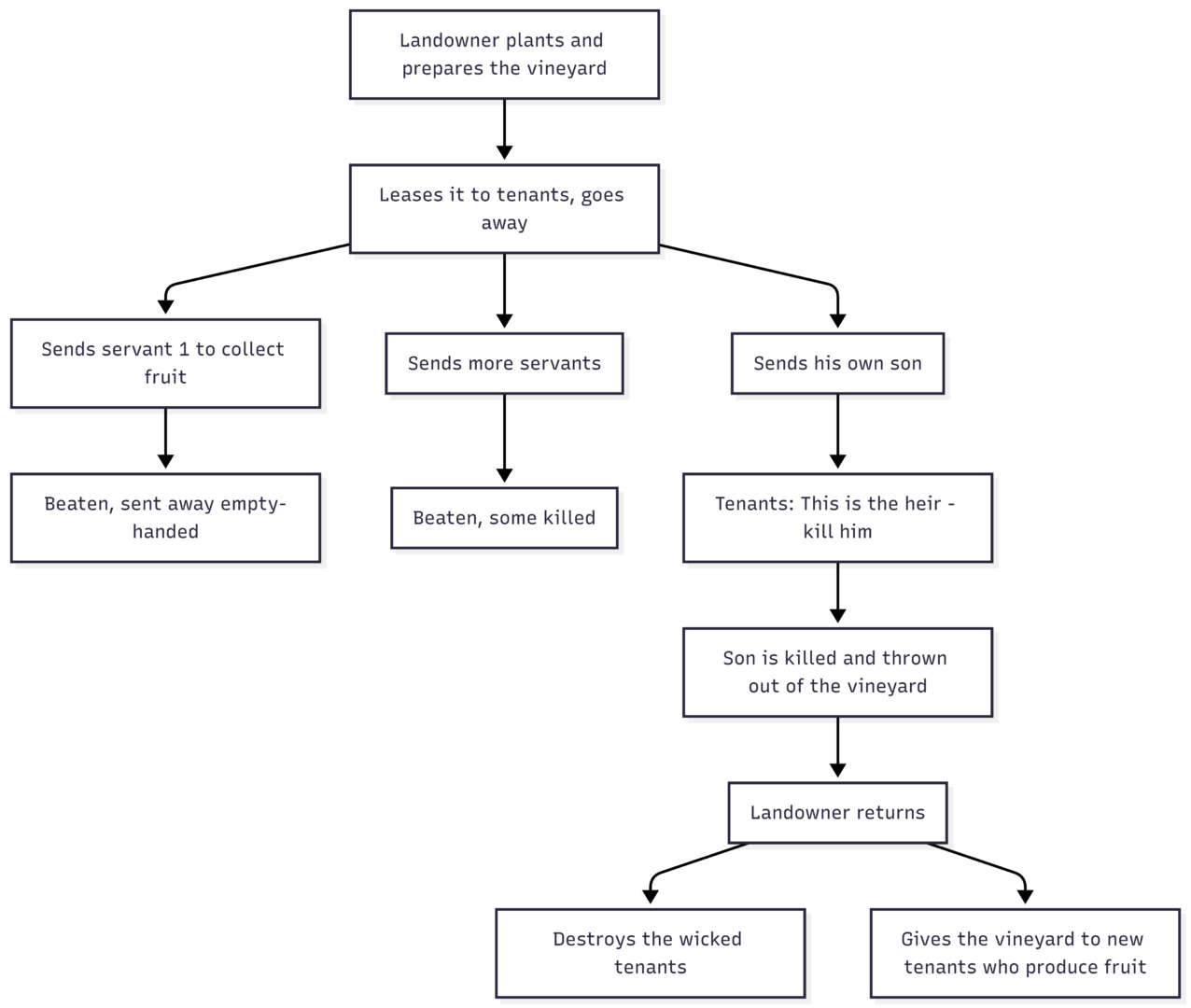
First-Century Vineyard Leasing, Explained
The parable’s premise would have been immediately familiar to Jesus’ audience. Wealthy landowners commonly invested in vineyards and then leased them to tenant farmers under a sharecropping arrangement, collecting a portion of the harvest as rent while living elsewhere — sometimes far away.
This wasn’t an unusual or contrived setup; it was standard first-century agricultural practice in the region. One legal detail matters for understanding the tenants’ motive: in some inheritance customs of the period, if a landowner died without an heir who claimed the property, tenants working the land could have a claim to take possession of it.
That detail explains why the tenants specifically target the son rather than simply continuing to resist the landowner’s servants — killing the heir looked, to them, like a path to permanently owning what they had only been leasing.
The Cornerstone Quotation
After describing the tenants’ fate, Jesus asks the crowd whether they’ve ever read a specific line from the Psalms — one describing a stone that builders rejected which then became the very cornerstone of the structure (see Psalm 118:22-23).
This isn’t a throwaway reference. It reframes the entire parable: the son who gets thrown out and killed is, in God’s larger plan, the foundation stone of what comes next. The image also comes with a warning attached — anyone who stumbles over that stone will be broken, and anyone the stone falls on will be crushed. It’s a claim about Jesus’ own identity and mission delivered through a text His listeners already considered authoritative.
Two Ways to Read the Tenants
Bible teachers generally identify one of two audiences for this parable, and both readings carry weight.
Reading One: The Religious Leaders of Israel. This is the reading demanded by the immediate context. Jesus told the parable directly to the chief priests and Pharisees, who “knew he had spoken this parable against them” and responded by looking for a way to arrest Him. Under this reading, the tenants are specifically the leadership entrusted with stewarding God’s people, the servants are the Old Testament prophets those leaders mistreated, and the parable is a direct indictment of failed spiritual leadership — not a statement about all of humanity.
Reading Two: Humanity in General. A broader application extends the same structure to anyone entrusted with stewardship over what God has given them — treating the vineyard as the world itself, the tenants as humanity broadly, and the parable as a picture of God’s patience with people who repeatedly reject His messengers before ultimately rejecting His Son.
The first reading fits the historical setting most precisely; the second draws out a wider application that many teachers find fitting given the story’s themes of stewardship, patience, and accountability. Either way, the parable’s warning about rejecting God’s messengers — and ultimately His Son — applies with equal force.
Why the Religious Leaders Reacted the Way They Did
What stands out about the aftermath is not that the leaders misunderstood the parable — they understood it perfectly. Their response wasn’t repentance; it was strategy. They wanted Jesus arrested but held back specifically because the crowds regarded Him as a prophet, meaning their hesitation was about public perception, not conviction.
That detail says something important about the difference between being confronted with truth and actually receiving it. Recognizing that a message applies to you is not the same as responding to it rightly.
Key Lessons from the Parable
- God is patient, but not indefinitely. The landowner sends servant after servant, absorbing repeated mistreatment before finally sending his son — and only after the son is killed does judgment come. Patience and justice are not in tension in this story; they operate on the same timeline.
- Rejecting God’s messengers has a compounding effect. Each rejected servant escalates the situation rather than resolving it. Refusing correction doesn’t make the underlying issue disappear — it usually makes the eventual reckoning larger.
- Stewardship carries real accountability. The tenants weren’t judged for lacking talent or resources — the vineyard was fully prepared for them. They were judged for withholding what was rightfully owed to the one who entrusted it to them.
- Fruitfulness is the expectation, not the exception. The vineyard is given to new tenants specifically because they will “produce its fruit” — the standard isn’t lowered for the new stewards, it’s simply finally met.
- Being confronted with truth doesn’t guarantee a right response. The chief priests understood the parable immediately and still chose self-protection over repentance, a warning that applies well beyond first-century Jerusalem.
Comparing the Three Gospel Accounts
| Detail | Matthew 21:33-46 | Mark 12:1-12 | Luke 20:9-19 |
|---|---|---|---|
| Vineyard description | Wall, winepress, watchtower specified | Same details included | Simplified — just “planted a vineyard” |
| Number of servant groups | Two groups, then the son | Multiple individual servants, then the son | Three individual servants, then the son |
| Crowd’s reaction to the ending | Answers Jesus’ question themselves | Jesus answers His own question | Crowd responds “God forbid!” |
| Cornerstone reference | Included | Included | Included |
| Leaders’ response | Seek to arrest Him, fear the crowds | Seek to arrest Him, fear the crowds | Seek to arrest Him, fear the people |
The core structure and meaning are identical across all three accounts — the minor differences are largely stylistic, not substantive.
Applying the Parable Today
The parable’s warning isn’t limited to first-century religious leadership. A few practical takeaways carry forward:
- Examine how you respond to correction. The religious leaders’ fatal error wasn’t failing to understand the message — it was refusing to let it change them. The healthier response to being confronted with uncomfortable truth is honest self-examination, not self-protection.
- Take stewardship seriously. Whatever “vineyard” a person has been entrusted with — a role, a responsibility, an institution, a relationship — the expectation is that it produces something real, not that it’s merely occupied.
- Notice the difference between public image and private integrity. The leaders’ concern was how their actions would look to the crowd, not whether they were right before God. That’s a distinction worth checking in any season of decision-making.
- Take the patience of God seriously, but don’t presume on it. The vineyard owner’s patience was real and repeated — but it wasn’t infinite, and the story doesn’t end with endless second chances.
Frequently Asked Questions
In the parable’s original context, the tenants represent the religious leaders of Israel — the chief priests, elders, and Pharisees Jesus was speaking to directly, who understood the parable as a direct accusation against them.
The vineyard represents Israel and, by extension, the kingdom of God and everything entrusted to those responsible for stewarding it.
Under certain inheritance customs of the period, an heir’s death without a valid claimant could leave tenants able to take possession of the property. The tenants’ plan reflects a (misguided) belief that killing the heir would secure the vineyard for themselves permanently.
It’s a direct quotation from Psalm 118:22-23, identifying the rejected son with a stone that becomes the foundation of a new structure — a claim about Jesus’ identity and God’s larger redemptive plan, delivered through a text the religious leaders already recognized as Scripture.
Both readings have support. The immediate context points to Israel’s leadership specifically, while many teachers also draw a broader application about anyone entrusted with stewardship over what God has given them.
Final Thought
The Parable of the Tenants doesn’t leave much room for a comfortable middle interpretation — it’s a direct confrontation dressed as a story, and its original audience recognized themselves in it immediately. The real test it poses isn’t whether a reader can identify who the tenants represent; it’s what happens next. Recognition without repentance is exactly the failure the parable exposes.
Please share this What Is the Meaning of the Parable of the Tenants? your friends and do a comment below about your feedback.
We will meet you on next article.
Until you can read, What Is the Meaning of the Parable of the Ten Virgins?